 844 408 3056

 Hot Deal
# Carbon Fiber vs Maple Shafts: Which Is Right for Your Game?
The shaft is the soul of your cue. It’s where your stroke meets the ball, where precision either happens or doesn’t, and where modern technology has created the most significant divide in player preferences since the jump cue was invented.
On one side: carbon fiber shafts promising minimal deflection, zero warping, and maintenance-free performance. On the other: traditional maple shafts offering the feel, feedback, and characteristics that players have trusted for over a century.
This isn’t just about materials—it’s about philosophy. Do you embrace technology’s advantages, or do you value tradition’s proven performance? Let’s break down everything you need to know to make the right choice for your game.
Understanding the Basics: What’s Actually Different?
Traditional Maple Shafts
Maple has been the standard cue shaft material since billiards evolved into its modern form. Hard rock maple from northern climates provides the ideal combination of strength, density, and workability.
A traditional maple shaft is turned on a lathe from a single piece of carefully selected lumber. The grain runs straight through the length, and the wood is seasoned to remove moisture and stabilize the material. The shaft is then sanded, sealed, and sometimes coated to protect against moisture and provide a smooth stroke.
What makes maple special:
– Natural material with inherent variations in density and grain
– Traditional feel that players have learned on for generations
– Familiar sound at ball contact—that distinctive crack
– Can be refinished multiple times throughout its life
– Predictable deflection that experienced players compensate for instinctively
Carbon Fiber Shafts
Carbon fiber represents the application of aerospace materials technology to billiards. Instead of a single piece of wood, carbon fiber shafts use woven carbon strands bonded with resin, often in layered construction.
Different manufacturers approach carbon fiber construction differently. Some use pure carbon fiber throughout (Predator REVO), while others combine carbon fiber cores with wood exteriors (McDermott G-Core) or use layered wood construction that borrows carbon fiber engineering principles (Mezz WX/EC7).
What makes carbon fiber special:
– Engineered material with consistent properties
– Minimal deflection compared to traditional maple
– Dimensionally stable regardless of humidity or temperature
– Lightweight construction allowing faster stroke acceleration
– Extremely durable with resistance to warping or breaking
– Low maintenance requiring minimal upkeep
The Deflection Debate: Why It Matters
Deflection (also called squirt) occurs when you strike the cue ball off-center. The cue tip pushes the ball slightly in the direction of the stroke before the english takes effect. This deflection affects where the cue ball goes, especially on longer shots.
How Traditional Maple Behaves
Standard maple shafts produce noticeable deflection. When you apply right english, the cue ball initially moves right before the spin takes effect and brings it back left. Experienced players compensate for this automatically, adjusting their aim based on how much english they’re applying.
The amount of deflection depends on several factors:
– Shaft diameter (thinner = less deflection)
– Taper profile (how quickly the shaft expands from tip to joint)
– Tip hardness (harder tips generally produce less deflection)
– Wood density (harder, denser maple deflects less)
Traditional players argue they’ve learned to compensate for deflection so effectively that it’s no longer a limitation. The predictability of their shaft’s deflection becomes part of their aiming system.
How Carbon Fiber Behaves
Carbon fiber shafts dramatically reduce deflection. When you apply english, the cue ball goes much closer to where you aimed. This happens because carbon fiber’s stiffness-to-weight ratio and construction allows the shaft to transfer energy more directly.
The practical impact:
– Easier position play when applying heavy english
– More accurate longer shots with sidespin
– Less compensation required in aiming calculations
– Faster learning curve for players new to english
– Consistent performance regardless of shot speed or english amount
However, this raises an interesting question: If you’ve spent years learning to compensate for maple deflection, switching to carbon fiber requires unlearning those compensations. The adjustment period can be frustrating for experienced players.
Feel and Feedback: The Subjective Element
This is where the debate becomes personal. Feel is subjective, and what one player loves another might hate.
The Maple Experience
Traditional maple shafts provide:
Solid feedback at ball contact—you feel exactly how you hit the cue ball. Thin hits, full hits, everything in between communicates clearly through the shaft to your grip hand.
Characteristic sound that’s deeply satisfying to most players. That crack of tip meeting ball signals a good hit at a primal level.
Natural flex that some players believe helps them feel the shot. The slight give in the shaft at impact provides tactile information.
Wood warmth in your hands—it’s an organic material that feels alive compared to synthetic alternatives.
Variable density that creates subtle differences shaft-to-shaft, giving each cue personality.
The Carbon Fiber Experience
Carbon fiber shafts offer:
Crisp response with faster energy transfer. The hit feels immediate and precise rather than organic.
Different sound at contact—still a crack, but with a slightly higher pitch or different tonal quality than maple.
Minimal flex that eliminates variables. The shaft behaves identically on every shot regardless of stroke speed.
Consistent feel from one shaft to the next within the same model—no variation between individual shafts.
Lighter weight that some players find allows faster stroke acceleration and less fatigue.
Cool touch from synthetic materials—it doesn’t warm up in your hands like wood.
Neither is objectively better—they’re different. Many players prefer one immediately, while others need time to decide.
Maintenance and Durability
Caring for Maple Shafts
Traditional maple requires regular maintenance:
Cleaning after every session with a slightly damp cloth removes chalk, oils, and dirt. Shafts get dirty quickly and sticky surfaces affect stroke smoothness.
Burnishing periodically with ultra-fine sandpaper or a shaft slicker removes buildup and maintains silky smoothness. Most serious players burnish weekly or monthly depending on play frequency.
Sealing annually with shaft sealers protects against moisture and oils from hands. Unsealed shafts absorb sweat and chalk, becoming rough and discolored.
Straightness checks should be routine. Maple can warp, especially if exposed to humidity changes, heat, or improper storage. Rolling the shaft on a table reveals even slight warpage.
Climate sensitivity means you should avoid leaving maple shafts in hot cars, humid basements, or anywhere with extreme temperature or moisture variations.
With proper care, quality maple shafts last decades. Neglect them, and they’ll warp, become rough, or develop other problems within years.
Caring for Carbon Fiber Shafts
Carbon fiber maintenance is dramatically simpler:
Wipe down after playing and you’re essentially done. Carbon fiber doesn’t absorb moisture or oils, so cleaning is minimal.
No burnishing needed—the surface maintains its smoothness without intervention.
No sealing required—carbon fiber is inherently moisture-resistant.
Won’t warp under any normal conditions. Extreme heat can damage resin, but typical climate variations have zero effect.
Long-term storage requires nothing special. Throw it in a case and forget about it.
The maintenance savings over years of ownership represents significant time and effort. For players who want to focus on playing rather than equipment upkeep, this matters.
Price Comparison: Investment Analysis
Maple Shaft Pricing
- Standard shafts: $50-$150 (house cue quality to decent entry-level)
- Quality shafts: $150-$300 (reputable brands, good construction)
- Premium shafts: $300-$500 (top-tier maple with low-deflection design)
- Custom shafts: $500+ (hand-selected wood, custom specifications)
Maple shafts offer entry at almost any budget. You can get playable shafts affordably and upgrade as your game develops.
Carbon Fiber Shaft Pricing
- Entry carbon fiber: $400-$600 (basic carbon fiber construction)
- Premium carbon fiber: $600-$900 (advanced technology, established brands)
- Top-tier carbon fiber: $900+ (latest generation, professional-grade)
Carbon fiber requires significantly higher initial investment. However, considering longevity and maintenance savings, the per-year cost becomes more competitive.
Long-Term Value Considerations
A $200 maple shaft needing replacement every 5-7 years costs more over 20 years than a $700 carbon fiber shaft lasting 20+ years with minimal maintenance.
However, maple shafts can be refinished, retipped, and maintained indefinitely with care. A well-maintained premium maple shaft from decades ago still performs excellently.
Carbon fiber shafts can’t be refinished if the surface is damaged. They’re essentially permanent, but if damaged, replacement is your only option.
Performance in Different Situations
Beginner Players
Maple Advantages:
– Lower entry cost allows quality cue within budget
– Traditional feel matches most instruction and advice
– Learning compensation builds fundamental understanding
– Can upgrade later without huge initial investment
Carbon Fiber Advantages:
– Easier to learn position play with minimal deflection
– Less frustration on shots requiring english
– Won’t warp from improper storage (beginners make storage mistakes)
– Performance consistency while fundamentals develop
Recommendation: Start with quality maple ($150-$300 range) unless budget allows carbon fiber without compromise on other equipment.
Intermediate Players
Maple Advantages:
– Already learned to compensate for deflection
– Can appreciate quality maple’s characteristics
– Investment in premium maple is worthwhile at this level
– Traditional feel supports continued development
Carbon Fiber Advantages:
– Remove deflection compensation to focus on fundamentals
– Position play becomes more reliable
– Climate stability matters more as equipment investment grows
– Performance ceiling is higher with minimal deflection
Recommendation: This is where the decision becomes truly personal. Try both if possible. Your preference will be clear.
Advanced/Competitive Players
Maple Advantages:
– Decades of muscle memory with traditional shafts
– Preference for organic feel and feedback
– Traditional aesthetic in professional settings
– Can refinish for perfect playing condition
Carbon Fiber Advantages:
– Measurable performance advantage on position play
– Consistency in tournament conditions (varying climates)
– Reduced variables in high-pressure situations
– Maintenance-free reliability during tournament travel
Recommendation: At this level, equipment choice is highly individual. Many professionals use carbon fiber; many others swear by maple. Test extensively before committing.
Climate and Environment Factors
How Maple Responds to Climate
Maple is wood—an organic material that expands and contracts with humidity. This affects playability:
High humidity:
– Shaft can swell slightly, affecting feel
– Increased warping risk if humidity is extreme
– May feel slightly tackier requiring more frequent cleaning
– Long-term exposure can cause permanent warping
Low humidity:
– Wood contracts slightly
– Can become brittle in extreme dryness
– May require more frequent sealing
– Less warping risk but potential for cracking
Temperature extremes:
– Heat combined with humidity is worst-case scenario
– Cold doesn’t affect maple much unless combined with moisture
– Rapid temperature changes stress the wood
– Car trunk storage in summer is deadly for maple shafts
How Carbon Fiber Responds to Climate
Carbon fiber’s synthetic composition makes it essentially immune to normal climate variations:
Humidity: No effect whatsoever. Play in 90% humidity or 10%—the shaft performs identically.
Temperature: Tolerates wide temperature ranges without performance change. (Extreme heat above 200°F can damage resin, but you’ll never encounter this in normal use.)
Climate transitions: Traveling from humid coast to dry desert doesn’t affect carbon fiber. This matters hugely for tournament players who travel frequently.
Storage: Can be stored anywhere without concerns about climate control.
-
Sale!
-
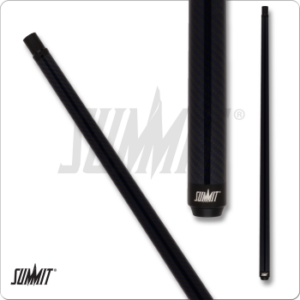
Summit SUML23 Blue Carbon Fiber Break Cue
Original price was: $499.00.$449.10Current price is: $449.10. Select options -
Sale!

-
Summit SUML22 Red Carbon Fiber Break Cue
Original price was: $499.00.$449.10Current price is: $449.10. Select options -
Sale!
-
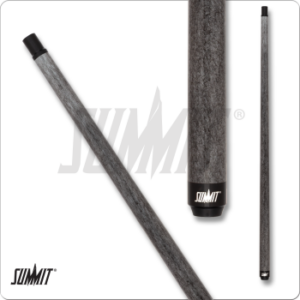
Summit SUML21 Grey Carbon Fiber Break Cue
Original price was: $499.00.$449.10Current price is: $449.10. Select options -
Sale!

-
Summit SUML20 Green Carbon Fiber Pool Cue
Original price was: $499.00.$449.10Current price is: $449.10. Select options
Making Your Decision: Key Questions
What’s your budget?
– Under $300: Maple offers better quality at this price point
– $300-$600: Maple premium vs. entry carbon fiber—depends on priorities
– Over $600: Carbon fiber technology justifies the investment
What’s your skill level?
– Beginner: Either works; maple is more economical for learning
– Intermediate: Personal preference becomes primary factor
– Advanced: Performance priorities should drive decision
How often do you play?
– Casual (weekly or less): Maple’s maintenance isn’t burdensome
– Regular (multiple times per week): Carbon fiber’s consistency and durability shine
– Daily/Professional: Carbon fiber’s advantages compound with heavy use
Where do you play?
– Single location with climate control: Maple works great
– Multiple locations/varying climates: Carbon fiber eliminates variables
– Travel frequently: Carbon fiber’s durability and stability matter more
What’s your playing style?
– Draw and follow focus: Shaft choice matters less
– Position play with english: Carbon fiber’s minimal deflection helps
– Power breaking: Carbon fiber durability excels for break shots
– Traditional stroke mechanics: Maple’s familiar feel supports technique
Do you value tradition or technology?
– Appreciate craftsmanship and history: Maple connects you to billiards heritage
– Want latest performance advantages: Carbon fiber represents current state-of-the-art
– Both equally: Try both and let feel decide
The Hybrid Option: Best of Both Worlds?
Some manufacturers offer hybrid shafts that combine carbon fiber cores with maple exteriors (like McDermott G-Core) or use advanced layered wood construction (like Mezz WX/EC7). These attempt to provide low-deflection benefits while maintaining wood feel.
Hybrid advantages:
– Lower deflection than traditional maple
– More traditional feel than pure carbon fiber
– Often less expensive than premium carbon fiber
– Wood exterior can be refinished
– Familiar sound at ball contact
Hybrid limitations:
– Not quite as low-deflection as pure carbon fiber
– Still require more maintenance than carbon fiber
– Some warping risk (though much less than solid maple)
– May be heavier than pure carbon fiber
Hybrids work well for players who want low-deflection performance but aren’t ready to abandon wood entirely.
What the Pros Use
Professional players use both maple and carbon fiber shafts, and their choices often reflect personal preference rather than performance necessity.
Carbon fiber advocates cite:
– Measurable deflection reduction
– Consistency across climate conditions
– Maintenance-free reliability during tournament travel
– Confidence on position play requiring heavy english
Maple traditionalists cite:
– Lifetime of muscle memory with wood shafts
– Preference for organic feel and feedback
– Ability to refinish for perfect condition
– Connection to billiards tradition
The truth: At professional levels, both work. The player’s comfort and confidence matters more than material choice. Professionals can compensate for deflection so automatically that shaft choice becomes about feel preference rather than performance limitation.
Try Before You Buy: Critical Advice
Don’t buy based on reviews alone. What feels perfect to one player might feel terrible to you. Visit a pro shop or billiards store that stocks both options and test them extensively.
What to test:
– Shoot 50-100 balls with each shaft type
– Try shots with heavy english that reveal deflection differences
– Notice how each feels in your hands
– Listen to the sound at ball contact
– Try your typical position play shots
– Break with each (if considering break cues)
Pay attention to your immediate reaction and your reaction after the adjustment period. Some shafts feel wrong initially but grow on you. Others feel perfect immediately but become annoying over time.
Explore Your Options at Quarter King Billiards
At Quarter King Billiards, our shaft selection includes premium options in both maple and carbon fiber from top manufacturers:
- Predator REVO carbon fiber shafts
- McDermott G-Core hybrid shafts
- Mezz WX and EC7 advanced layered wood
- Traditional maple shafts from leading brands
Visit us to:
– Test multiple shaft types side-by-side
– Get expert guidance from experienced players
– Compare feel, deflection, and performance firsthand
– Find the right shaft for your game and budget
– Trade in your old shaft toward new technology
Final Verdict: It’s Personal
Here’s the honest truth: Both maple and carbon fiber make excellent shafts. Choosing between them isn’t about finding the objectively better option—it’s about finding what works better for *you*.
Choose maple if:
You value traditional feel, appreciate organic materials, prefer refinishable shafts, want lower entry cost, or have decades of muscle memory with wood.
Choose carbon fiber if:
You want minimal deflection, need climate stability, prefer maintenance-free equipment, travel frequently with your cue, or value cutting-edge technology.
Choose hybrid if:
You want a middle ground between tradition and technology, desire low-deflection with wood feel, or aren’t ready to fully commit to either extreme.
The best shaft is the one that gives you confidence when you’re down on a shot. Come test your options and discover which material speaks to your game.
-
-
-
Sale!
-
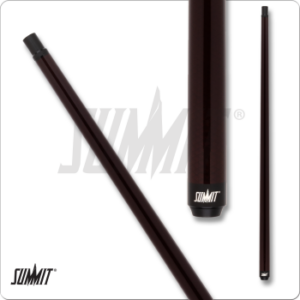
Summit SUML19 Red Carbon Fiber Pool Cue
Original price was: $499.00.$449.10Current price is: $449.10. Select options -
Sale!

-
Summit SUML18 Blue Carbon Fiber Pool Cue
Original price was: $499.00.$449.10Current price is: $449.10. Select options -
-
Your perfect shaft is waiting—whether it’s time-tested maple tradition or space-age carbon fiber innovation.