 844 408 3056

 Hot Deal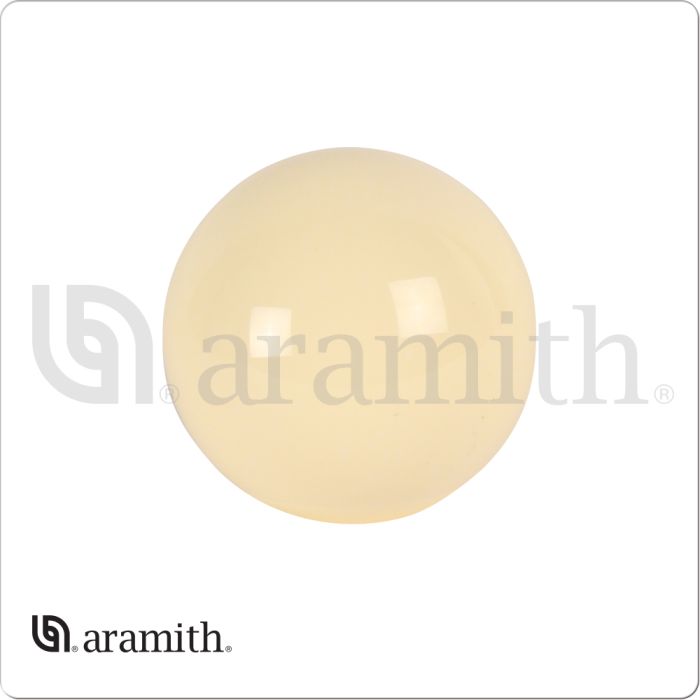
Cue balls do not get much shelf space at most billiards stores, and they get even less attention from most players. That is a mistake. The cue ball is the only ball you actually hit on every shot. Its weight, density, and surface finish change how much spin you can put on it, how it bounces off rails, and how often it skids on a soft cut. The wrong cue ball on a great table will make a great cue feel mediocre. Below is a real-world guide to the cue balls Quarter King Billiards stocks, what each one is built for, and how to pick the right one for your table at home or for the league night you host every Tuesday.
Why cue ball quality matters
Pool balls are made from phenolic resin. The good ones are precision-cast, perfectly round, balanced through the center, and density-matched to the rest of the set. The cheap ones are not. A cheap cue ball that is even a quarter of a gram off-balance will roll a little crooked on a slow shot. It will skid on cuts where you expect it to bite. It will rebound short or long off the rails depending on which side of the imbalance is facing the cushion at the moment of contact. None of those errors are your fault as a player, and all of them feel like they are.
The brands that build pool ball sets to a real spec are short list. Aramith dominates the space and has for decades. Diamond has its own line that ships in major tournaments. A handful of regional brands like Action and Scorpion supply solid value-tier balls for home tables. Premium options from Aramith use a tougher Duramith resin, which holds polish longer and resists chipping when a heavy break sends the cue ball into a tight rack.
The standard pro cue ball
If you watch a televised event, the cue ball on the table is almost always a red-circle Aramith or its current equivalent. The Aramith CBA Premier Cue Ball is the entry point into that world. It is regulation 2 1/4 inches, density-matched to a standard Aramith set, and behaves predictably on any quality cloth. For under ten dollars it is the easiest upgrade you can make if your home table came with a no-name set.
One step up the ladder, the Aramith CBAT Tournament Cue Ball uses the higher-grade resin and tighter tolerances. It costs about three times as much as the Premier, and the difference shows up on long, soft draw shots where every micro-spin counts. Tournament directors who run weekly events on their own tables tend to keep one CBAT around for the final table and let the rest of the room play with Premiers.
The Measle Ball is the same idea with red dots
The cue ball you see on every televised match with red dots all over it is also a tournament-grade Aramith. The dots are there for the broadcast cameras so the viewer can see the spin the player is putting on the ball. On a home table the dots are useful in their own right because you can watch your own English without setting up a phone behind the table. The product nomenclature varies, but the substance is the same as a tournament cue ball with the cosmetic dots added.
Magnetic cue balls for bar boxes
Coin-operated bar tables have to know which ball is the cue ball so they can return it after a scratch. The standard solution since the 1990s has been a slightly oversized cue ball with iron embedded in the resin. The Aramith CBAM Magnetic Cue Ball is the regulation version of that ball. It is heavier than a normal cue ball and slightly larger. League players who only play on bar boxes get used to the weight, but it does change how the cue ball reacts to draw and follow. The big-brand magnetic ball plays much better than the cheap house balls many bars use, so if you have a friend with a coin table at home, that is the right upgrade.
For Valley-style bar boxes, the Aramith CBCGR Valley Cougar Duramith Magnetic is the spec ball most pool halls run on their league tables. It uses the tougher Duramith resin so it survives the abuse of public play, and it is sized to feed correctly through the cue ball return path on a Valley table. If you are running a league out of a bar, this is the cue ball that minimizes complaints from your players.
Oversized cue balls deserve their own warning
The Aramith CBAOS 2 3/8 inch Oversize Cue Ball is what most older bar boxes ship with. It is bigger than the object balls. It is also heavier, slower off the cushions, and harder to draw. If you can choose, replace an oversized cue ball with a regulation magnetic instead. The oversized ball was a solution to a 1980s engineering problem, and modern bar tables do not need it.
Tournament-grade cue balls from other brands
Aramith is not the only player in the high end. The Diamond CBDTN Cue Ball is the standard cue ball on Diamond tables, including the bar boxes that most APA leagues run on. The Diamond CBDTV TV Cue Ball adds the spin-marker dots in a Diamond-blessed package. If your room is built around Diamond tables, matching the cue ball to the brand is the cleanest way to keep the room playing consistent.
Picking the right cue ball for your situation
Three quick filters get you to the right answer.
What table are you playing on? A 7-foot Valley needs a Valley-spec magnetic. A 9-foot Diamond pro table takes a Diamond cue ball or a tournament-grade Aramith. A 7-foot residential slate table with no coin mech can use a regulation Aramith Premier or Tournament. Match the ball to the table and you have already solved most of the problem.
How serious is the play? Casual home table that the kids use on weekends? The Premier is plenty. League team that practices three nights a week? Move up to a Tournament-grade. Tournament director? Have at least one Tournament or Diamond TV ball reserved for the final.
How long do you want it to last? Cue balls take more abuse than object balls because they get hit on every shot. The Duramith resin in Aramith Tournament and Valley Cougar models holds polish longer and chips less under hard breaks. The cheaper Premier is rebuildable with regular polishing, but the Tournament will outlast it.
Other small upgrades that work with a better cue ball
A high-quality cue ball is the start. A clean cloth is the next step. A polished cue ball on a worn bar cloth still rolls truer than a chipped house ball, but a polished cue ball on fresh worsted cloth is what makes the cue ball line behave the way the diamond systems on the rails predict. Pair the right cue ball with quality chalk, a quality tip, and the right shaft and you stop blaming the equipment for things your stroke is actually doing.
If you are upgrading the cue itself at the same time, browse the full Quarter King Billiards pool cue catalog for a stick that matches the level of play your new cue ball is going to support. The right pairing makes both upgrades feel bigger than the sum of their parts.
Storage and care
Cue balls live a hard life. Store yours in a soft pouch or in the ball-rack tray when the table is not in use. Wipe the cue ball with a clean microfiber cloth before each session. Polish it every couple of weeks with a phenolic-safe ball cleaner. Replace it if it develops a visible flat spot, since a flat-spotted cue ball is what causes the maddening skid where your draw shot turns into a stop shot for no reason. A new Aramith Premier costs less than a single missed match where the cue ball would not bite.
Quarter King Billiards stocks the full lineup so you can match the right cue ball to your table without guessing. Browse the cue ball collection for the model that fits your room, your league, or the rebuild you have been putting off. The cue ball is the cheapest performance upgrade in pool. It is also the most ignored. Fix yours this week and watch the difference show up on the very next rack.

About Corey Bernstein
Corey Bernstein is a competitive pool player, billiards equipment specialist, and co-owner of Quarter King Billiards in Wilmington, North Carolina. With over a decade of experience in the sport, Corey has competed in regional APA and BCA sanctioned tournaments and maintains an intimate knowledge of cue construction, shaft technology, and table mechanics. As a certified dealer for brands including Predator, McDermott, Jacoby, Viking, Lucasi, Meucci, Joss, and Cuetec, Corey personally tests and evaluates every cue that comes through the shop. His hands-on approach to the business means he has racked thousands of hours behind the table — breaking in shafts, comparing tip compounds, and dialing in the nuances that separate a good cue from a great one. When he is not behind the counter or on the table, Corey is researching the latest advances in low-deflection technology, carbon fiber shaft construction, and cue ball physics. His articles on Quarter King Billiards combine real-world playing experience with deep product knowledge to help players at every level find the right equipment for their game.