 844 408 3056

 Hot Deal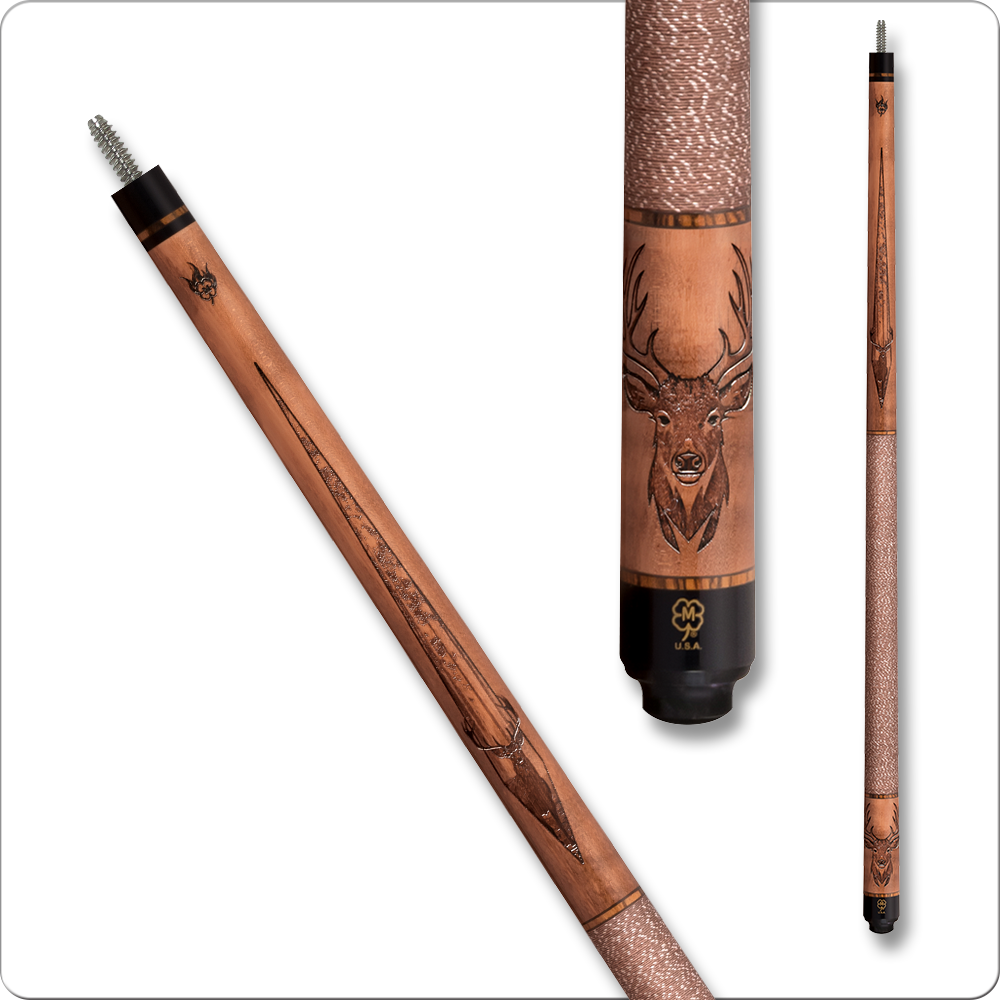
Missing cut shots is the single most common reason recreational players plateau. You can have a smooth stroke and a clean table, but if your eyes are lying to you about where the object ball needs to be struck, the cue ball goes one way and your confidence goes another. The good news is that aiming is a learnable skill, and three proven systems give you a framework to actually pocket the angles that used to feel like guesswork.
None of these methods is magic. Each one trains your eyes and your subconscious to recognize the correct contact point, and the best players blend all three depending on the shot in front of them. Here is how ghost ball aiming, fractional aiming, and the center to edge approach work, and how to practice them so they hold up under pressure.
Ghost Ball: The Foundation Every Player Should Learn First
Ghost ball aiming asks you to picture an imaginary cue ball touching the object ball at the exact spot needed to send it toward the pocket. You then aim to drive your real cue ball into that phantom position. It is the most intuitive system because it maps directly onto the physics of the collision, and it is the one most instructors start with.
The trick is precision. The contact point is a single spot, and your brain has to hold that image steady while you drop into your stance and stroke. To practice, set an object ball a diamond away from a corner pocket, picture the ghost ball, and place a piece of chalk where you think the cue ball needs to end up. Shoot slowly, watch where the object ball actually goes, and adjust. After a few dozen reps your eyes start locking onto the right spot without conscious effort.
Ghost ball struggles on thin cuts, where the contact point shrinks to a sliver and small visual errors get magnified. That is where the other two systems earn their place.
Fractional Aiming: Thinking in Overlaps
Fractional aiming simplifies the target into a set of standard overlaps. Instead of imagining a single point, you aim the center of the cue ball at a fraction of the object ball: a full ball hit, three quarters, a half, a quarter, or the edge. Each fraction corresponds to a predictable cut angle, with a half ball hit giving you roughly a 30 degree cut, for example.
The appeal is repeatability. Once you memorize what a half ball and a quarter ball hit look like, you stop recalculating every shot from scratch. You glance at the angle, snap to the nearest fraction, and make small adjustments from there. Many pros think this way without naming it, because their pattern recognition has reduced thousands of shots to a handful of familiar overlaps.
To train fractional aiming, set up the same cut shot from five different fractions and shoot each one until you can call the angle before you shoot. The system pairs beautifully with a low deflection shaft, because consistent equipment means the cue ball squirts the same tiny amount every time and your fractions stay honest. A reliable playing cue like the McDermott G522 G Series cue gives you that repeatable feedback shot after shot.
Center to Edge: A System Built for Tough Angles
The center to edge approach, often shortened to CTE, is a more structured visual system. You line up a reference from the center of the cue ball to the edge of the object ball, add a secondary aiming line, and pivot into the shot. Players who commit to it like that it removes the wobble of judging a single contact point, especially on the long thin cuts that wreck ghost ball aimers.
CTE has its skeptics, and the debate about why it works can get heated. What matters for your game is that thousands of strong players use it to pocket balls they used to miss. If ghost ball feels fuzzy on hard angles, CTE is worth a serious trial run with an instructor or a good video walkthrough. Give it a few weeks before you judge it, because the pivot mechanics take time to feel natural.
The Aiming Mistakes That Sabotage Good Strokes
Most aiming problems are not really aiming problems. Players line up correctly, then move during the stroke and pull the cue ball off line. Dropping your head, steering the cue toward the pocket, and jumping up before the tip finishes are the three biggest culprits. You can know exactly where to hit the object ball and still miss if your body undoes the aim on the final stroke.
Another quiet killer is inconsistent english. If you add a touch of unintended side spin, deflection pushes the cue ball off your aim line, and you blame your eyes when the real problem was your tip placement. Learning to hit a true center ball, and knowing when you are deliberately using english, removes a huge source of mystery misses.
Where a Pre Shot Routine Locks Aim In
Aiming and routine are inseparable. The reason pros look robotic is that they have removed every variable they can. They stand behind the shot, find the aim line while upright, then lower into the stance along that line without re aiming from the crouch. Your eyes see angles most accurately from above and behind the cue ball, so the decision should happen there, not after you are already down on the shot.
Build a routine you repeat every time. See the line standing up, step in along it, take a fixed number of warmup strokes, pause at the cue ball, then deliver. When aiming lives inside a consistent routine, it stops being a fresh gamble on every shot and becomes a habit you can trust when the match is close.
Where Equipment Quietly Helps Your Aim
Aiming systems assume the cue ball goes where you send it. Deflection, the sideways squirt when you hit with english, is the enemy of that assumption. A low deflection carbon fiber shaft shrinks that squirt and makes your aim far more forgiving, which is why so many players who switch report instantly cleaner pocketing.
The McDermott Defy carbon fiber shaft is a popular upgrade that drops onto many existing cues and tightens up exactly this part of your game. If you want a stiffer hit with the same deflection benefits, the Tiger Fortis LD carbon fiber shaft is another strong option. Browse the full carbon fiber shaft collection to find a pin and tip diameter that match your cue.
Drills That Build Real Aiming Skill
The fastest way to sharpen aim is repetition with feedback. Try the spot drill: place the object ball on the foot spot and pocket it in the same corner from a dozen different cue ball positions until you can read each angle instantly. Then run the line of balls drill, with object balls spread across the table that you pocket in sequence, forcing your eyes to reset the aim line for every new angle.
For thin cuts, set a ball near the rail and practice cutting it the length of the table. Thin cuts expose the smallest aiming errors, so success there means everything easier will fall too. Keep sessions short and focused, because aiming is trained by quality reps, not marathon grinding that lets sloppy habits creep back in.
Putting It All Together at the Table
Pick one system and live with it for a month before you add another. Most players build a base with ghost ball, layer fractional aiming on top for speed, and reach for a structured method like CTE on the cuts that scare them. The goal is not to calculate during a match. It is to drill until the right line appears automatically, so you can spend your conscious attention on speed, position, and pattern.
Aiming improvement is the cheapest way to win more games, because it costs only practice. Pair that practice with a dependable cue and a low deflection shaft, and the angles that used to rattle around the pocket start dropping clean. Ready to upgrade the tool behind your stroke? Explore our full pool cues lineup and give your new aiming routine the equipment it deserves.

About Corey Bernstein
Corey Bernstein is a competitive pool player, billiards equipment specialist, and co-owner of Quarter King Billiards in Wilmington, North Carolina. With over a decade of experience in the sport, Corey has competed in regional APA and BCA sanctioned tournaments and maintains an intimate knowledge of cue construction, shaft technology, and table mechanics. As a certified dealer for brands including Predator, McDermott, Jacoby, Viking, Lucasi, Meucci, Joss, and Cuetec, Corey personally tests and evaluates every cue that comes through the shop. His hands-on approach to the business means he has racked thousands of hours behind the table — breaking in shafts, comparing tip compounds, and dialing in the nuances that separate a good cue from a great one. When he is not behind the counter or on the table, Corey is researching the latest advances in low-deflection technology, carbon fiber shaft construction, and cue ball physics. His articles on Quarter King Billiards combine real-world playing experience with deep product knowledge to help players at every level find the right equipment for their game.