 844 408 3056

 Hot Deal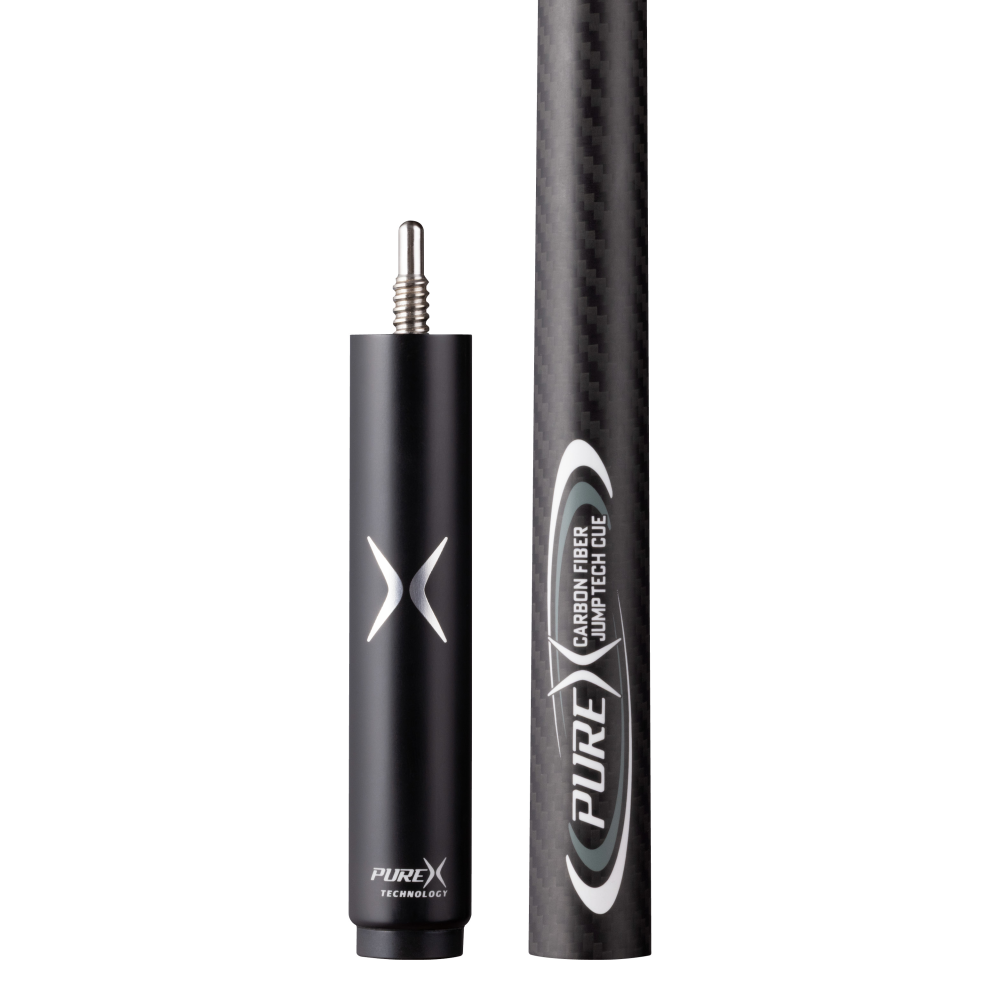
One of the quieter equipment shifts in pool right now is that more players are carrying a true jump cue instead of asking one jump-break setup to do every specialty job. That trend makes sense. As cue technology keeps branching into more specialized categories, players are becoming more honest about what they actually need from escape shots. Breaking hard and jumping clean are related skills, but the equipment demands are not identical.
For a long time, the all-in-one jump-break cue was the easy default. It saved money, saved space, and felt like the sensible compromise. In 2026, more players are deciding the compromise is not always worth it. If you face kick-or-jump decisions regularly in league or tournament play, a dedicated jump cue can make those moments simpler and more repeatable.
Why the dedicated jump-cue trend is growing
The biggest reason is clarity of purpose. A jump cue is built to do one thing well, elevate quickly, deliver a crisp short-stroke response, and help the player clear an obstacle without turning the shot into a guessing contest. A jump-break hybrid can still be useful, but it often asks the player to accept tradeoffs in feel, balance, or speed of setup.
That matters more as players improve. Beginners mainly want a way to experiment with jump shots. Intermediate and tournament-minded players want predictable results when a safety battle gets serious. Once that shift happens, the appeal of a dedicated tool becomes much stronger.
What a dedicated jump cue can do better
Faster setup in pressure moments
In real match situations, fumbling with sections, second-guessing balance, or trying to remember your ideal jump configuration can create hesitation. A dedicated jump cue often reduces that friction. You pull it out, set the angle, and commit.
Cleaner short-distance response
Many players feel that dedicated jump cues respond more clearly on short, pop-style jumps where accuracy matters more than raw height. If the cue gives direct feedback, it becomes easier to repeat the same stroke instead of overhitting the shot.
Better separation of roles in your match kit
Specialized equipment can simplify your mental game. Your break cue handles the opening shot. Your jump cue handles elevation escapes. Your playing cue does the rest. That structure can reduce indecision and help players trust their tools instead of improvising every time trouble appears.
What a jump-break hybrid still does well
None of this means hybrids are obsolete. For plenty of players, a jump-break cue is still the smartest buy. It costs less than carrying two separate specialty cues, takes up less case space, and gives casual league players a useful entry point into both skills. If you only jump once in a while and mostly want a dependable breaker, a good hybrid may still be the right answer.
The real question is not which category wins on paper. It is which one fits your actual match habits. If you rarely jump and almost never remove sections from your cue, a separate jump cue may be unnecessary. If you keep getting trapped behind blockers and know those shots matter in your matches, the upgrade case gets more serious.
Who should seriously consider a dedicated jump cue
- Players in safety-heavy formats where jump shots come up regularly.
- Intermediate players who already understand basic jump mechanics and want cleaner execution.
- Tournament players building a more specialized three-cue setup.
- Buyers who want a lighter, more direct tool than many jump-break combos provide.
If that sounds like your game, the category is worth real attention. The point is not to show off a trick shot. The point is to turn one blocked-table moment per match from panic into possibility.
How to decide whether it is worth the extra slot in your case
1. Track how often you actually jump
Do not guess. Over two weeks of league or practice, write down how many realistic jump opportunities you face. If the number is close to zero, your money may belong elsewhere. If the number is meaningful, the decision gets easier.
2. Separate miss type from equipment type
If your misses come from poor aim or reckless cue-ball prediction, new gear will not fix that. If your misses come from inconsistent pop, awkward feel, or slow setup, a dedicated jump cue may help.
3. Think about your whole case strategy
Adding a jump cue is not only about the cue itself. It changes how you carry gear, how fast you can switch tools, and what kind of case layout supports your routine. Players with growing tournament kits often benefit from a case that keeps everything organized and protected.
Useful QKB options to compare right now
Quarter King Billiards already has live options that make this category easy to evaluate. Players who want a true specialist can look at the Pure X Carbon Fiber Jump Cue. Players who still want hybrid flexibility can compare models like the Pure X HXT 5-in-1 Jump/Break Cue or the Players JB528 Heavy Hitter Jump/Break Cue. And if case organization is part of the decision, something like the Pro Series PRO35 3×5 Hard Case makes a dedicated multi-cue setup more practical.
The smarter buying mindset
The best reason to buy a dedicated jump cue is not that the category looks advanced. It is that the tool fits the shots you actually face. If you are trying to win more safety exchanges, respond faster under pressure, and stop turning blocked layouts into automatic concessions, then a specialist jump cue can be a very rational upgrade.
If you are still learning the basics of elevation, contact point, and cue-ball prediction, then a hybrid may be enough for now while you build skill. Either way, the key is honesty. Buy for the game you really play, not for the gear trend that sounds coolest.
FAQ
Is a dedicated jump cue better than a jump-break cue?
It can be, especially for players who jump often and want faster setup plus more specialized feel. But it is not automatically the best choice for everyone.
Do league players really need a separate jump cue?
Some do, especially in formats where safety play creates regular jump opportunities. Others will be fine with a hybrid.
Will a jump cue fix bad jump-shot technique?
No. It can improve feel and repeatability, but good mechanics and smart shot choice still matter most.
The jump-cue trend in 2026 is not really about collecting more gear. It is about reducing friction in one of pool’s most uncomfortable situations. For the right player, that is a meaningful edge.

About Corey Bernstein
Corey Bernstein is a competitive pool player, billiards equipment specialist, and co-owner of Quarter King Billiards in Wilmington, North Carolina. With over a decade of experience in the sport, Corey has competed in regional APA and BCA sanctioned tournaments and maintains an intimate knowledge of cue construction, shaft technology, and table mechanics. As a certified dealer for brands including Predator, McDermott, Jacoby, Viking, Lucasi, Meucci, Joss, and Cuetec, Corey personally tests and evaluates every cue that comes through the shop. His hands-on approach to the business means he has racked thousands of hours behind the table — breaking in shafts, comparing tip compounds, and dialing in the nuances that separate a good cue from a great one. When he is not behind the counter or on the table, Corey is researching the latest advances in low-deflection technology, carbon fiber shaft construction, and cue ball physics. His articles on Quarter King Billiards combine real-world playing experience with deep product knowledge to help players at every level find the right equipment for their game.