 844 408 3056

 Hot Deal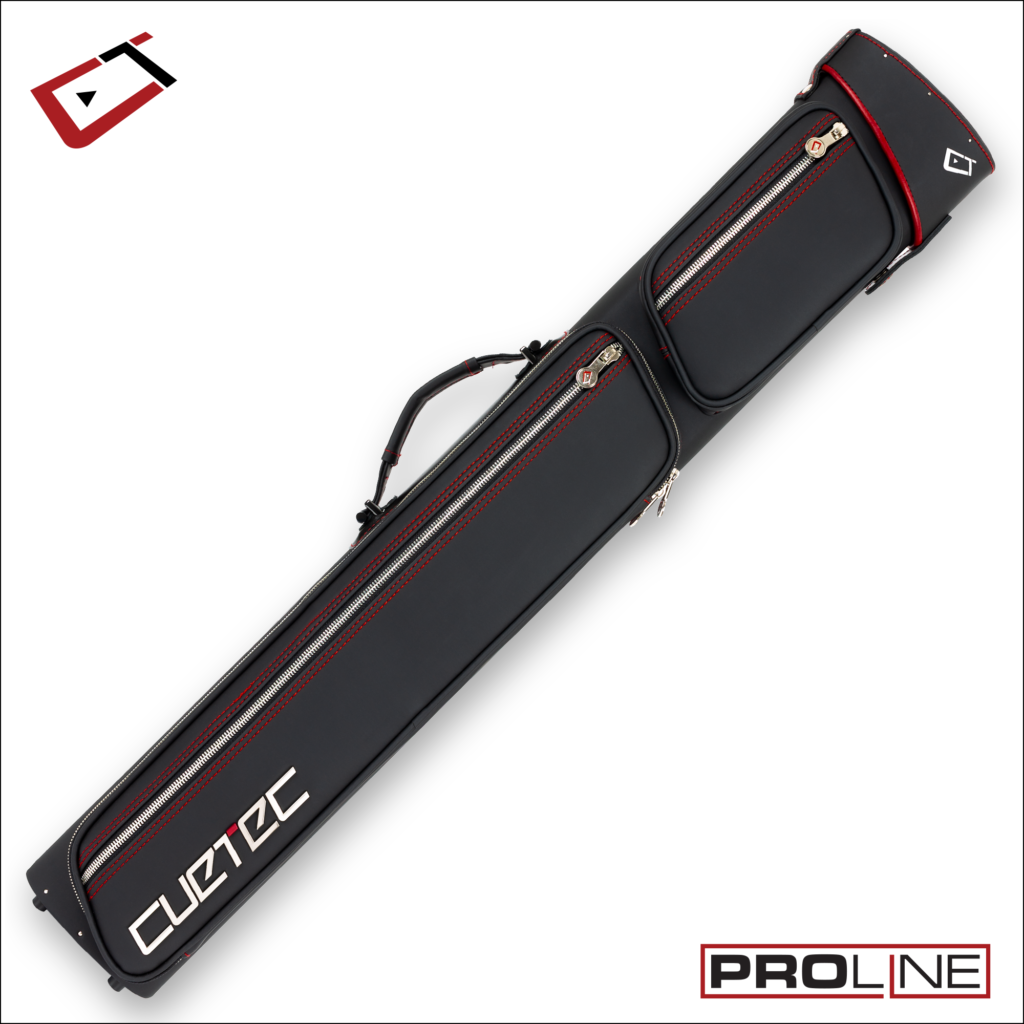
Hard vs soft pool cue case is one of the clearest accessory-buying questions in cue sports. It gets asked because buyers know protection matters, but they do not always know how much structure they really need.
This is another excellent category-support topic for the pool cue cases page because it moves the buyer toward a more confident purchase.
What Hard Cases Usually Do Better
Hard cases usually attract buyers who care most about structure, durability, and stronger protection for more serious setups. That is especially attractive when the cues inside already represent a meaningful investment.
Many league and travel players prefer the peace of mind that comes with that extra protection.
What Soft Cases Usually Do Better
Soft cases appeal more to buyers who want lighter carry, simpler storage, and a lower-commitment accessory choice. They can make sense when the carry routine is casual and the cue setup is simpler.
The tradeoff is that convenience can come at the cost of reassurance.
How to Choose Correctly
- Think about how often you travel with the cue.
- Think about the total value of the equipment inside the case.
- Decide whether lighter carry or stronger structure matters more to you.
- Buy based on your real routine, not just looks.
Quarter King Takeaway
Hard is usually better for protection. Soft is usually better for light, casual convenience. The smarter choice depends on how much you carry, how often you move it, and how much risk you want to remove.
FAQ
Are hard cue cases safer?
Usually yes. Hard cases are generally preferred when protection is the top priority.
Are soft cue cases bad?
Not at all. They can work well for lighter, simpler carry needs.
Who should lean toward a hard case?
Players with more valuable gear, more travel, or a more serious routine often prefer hard cases.

About Corey Bernstein
Corey Bernstein is a competitive pool player, billiards equipment specialist, and co-owner of Quarter King Billiards in Wilmington, North Carolina. With over a decade of experience in the sport, Corey has competed in regional APA and BCA sanctioned tournaments and maintains an intimate knowledge of cue construction, shaft technology, and table mechanics. As a certified dealer for brands including Predator, McDermott, Jacoby, Viking, Lucasi, Meucci, Joss, and Cuetec, Corey personally tests and evaluates every cue that comes through the shop. His hands-on approach to the business means he has racked thousands of hours behind the table — breaking in shafts, comparing tip compounds, and dialing in the nuances that separate a good cue from a great one. When he is not behind the counter or on the table, Corey is researching the latest advances in low-deflection technology, carbon fiber shaft construction, and cue ball physics. His articles on Quarter King Billiards combine real-world playing experience with deep product knowledge to help players at every level find the right equipment for their game.