 844 408 3056

 Hot Deal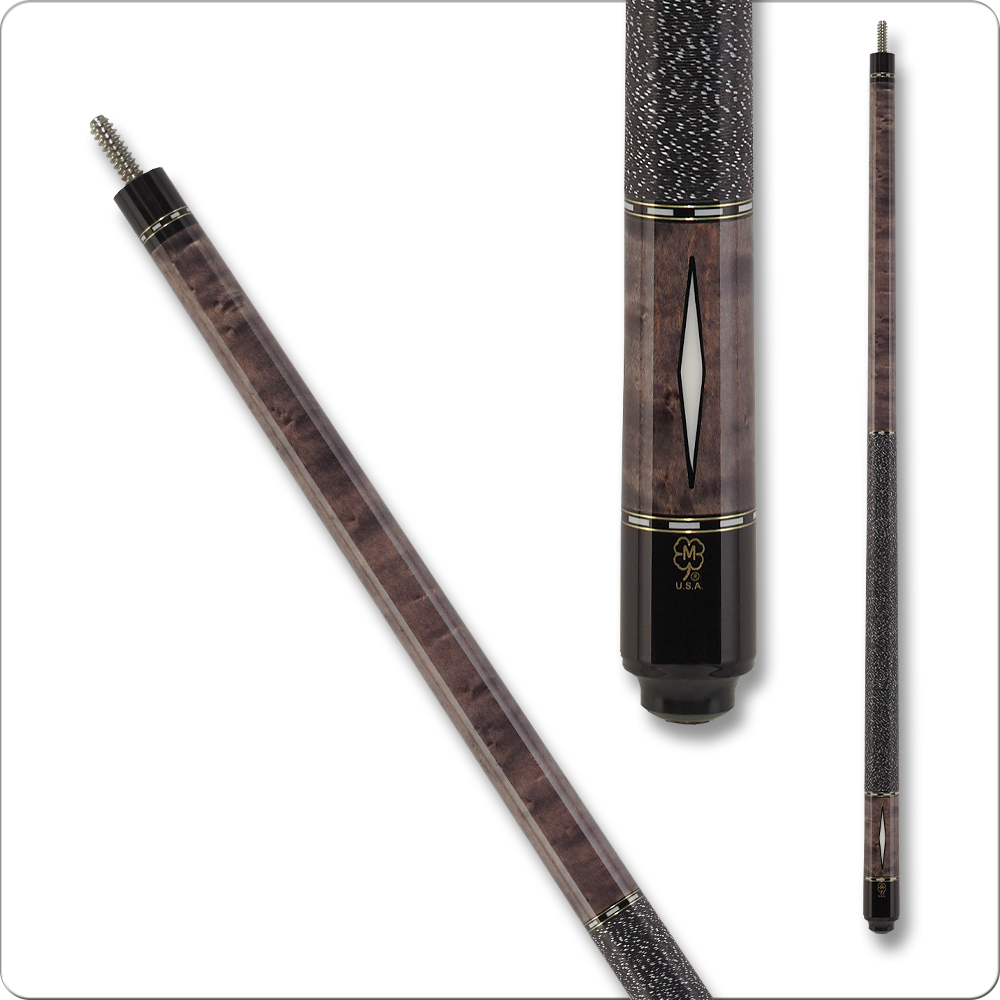
Most players pour their practice time into pocketing balls. The ones who quietly climb the league standings spend a big chunk of it learning what to do when there is no shot to pocket at all. Safety play is the part of pool that never shows up on a highlight reel, yet it decides more close games than any flashy runout. Learn to leave your opponent stuck, and you turn every missed pattern into a chance to steal the rack.
This guide breaks down how strong safeties actually work, when to choose defense over a low-percentage shot, and how to drill the skill until hooking your opponent feels as natural as a stop shot.
Why Defense Wins More Games Than Shotmaking
Pool at the amateur level is a game of mistakes. The player who makes fewer of them usually wins, and a good safety forces the other side to make the next one. When you hand your opponent a table with no makeable ball, three things tend to happen. They foul and give you ball in hand, they make a desperate hit and leave you an easy out, or they play their own safety and the chess match continues. Every one of those outcomes is better than throwing your own shot at a ball you only make four times out of ten.
Think about the math. A tough cut you pocket half the time is a coin flip. A clean safety that gives you ball in hand roughly half the time, while costing your opponent position even when they escape, is a far better bet over a long match. Players who understand that swap a handful of hero attempts for a steady diet of smart leaves, and their win rate climbs without a single new shot in their bag.
The Three Jobs of a Good Safety
A safety is not just hiding the cue ball behind a blocker. A complete safety does three jobs at once. First, it removes the direct shot, so your opponent cannot see a clean path to their object ball. Second, it controls distance, because a long, thin cut across the table is far harder to escape than a hooked ball sitting a few inches away. Third, it leaves you something if they do manage a hit, so you are not handing back position the moment they tap the rail.
When you only think about the first job, you get sloppy safeties that look good and play badly. The cue ball ends up a foot off the blocker, your opponent slides into a long bank, and suddenly they are the one with the easy leave. Train yourself to ask all three questions before you commit. Is the shot truly gone, is the distance ugly, and where am I if they get lucky.
Reading When to Play Safe Instead of Going for It
The hardest part of defense is admitting you do not have the shot. Ego talks players into firing at 30 percent pots when a safety would have been the percentage play. A simple filter helps. If you would not bet a week of league dues on making the ball and getting shape, you are probably looking at a safety situation.
Cluster trouble is the clearest signal. When your last two balls are tied up and you have an open shot now, that open shot is often better spent breaking the cluster or playing a safety that keeps the cluster a problem for your opponent instead of you. Reading the rack two balls deep tells you whether to attack or to hide, and that decision is worth more than any single pocketed ball.
How to Execute a Lockup Safety
A lockup safety freezes or nearly freezes the cue ball to a blocking ball so your opponent has no clean angle. The key is speed control, not power. You want the cue ball to die in a precise spot, which means rolling it the last few inches rather than ramming it into traffic and hoping. Pick the exact resting place first, then choose the speed that delivers the cue ball there with a soft, controlled stroke.
Use the rails. A safety that tucks the cue ball against a rail removes an entire range of escape angles, because your opponent cannot get under the ball or swing around it as easily. Freezing to a blocker while leaning on a cushion is one of the highest value leaves in the game, and it rarely requires a hard hit. Soft, deliberate, and exact beats fast and hopeful every single time.
Two-Way Shots: Offense and Defense in One Stroke
The two-way shot is where strong players live. You attempt a low-percentage pot, but you choose your speed and angle so that if you miss, the cue ball still rolls into a safe leave. You get the upside of making the ball with the insurance of a safety if you do not. The trick is honesty about your miss. Plan for the most likely way the shot fails, and steer the cue ball so that the miss still buries your opponent.
Two-way shots reward precise cue ball control, which is exactly why your equipment starts to matter here. The difference between the cue ball stopping in a hook and drifting two inches into the open is often the difference between winning and losing the rack.
Kick and Jump Answers When You Get Hooked
You will be on the receiving end of good safeties too, so escaping a hook is its own skill. Kicking off one or two rails using a basic mirror system turns a lost cause into a legal hit, and sometimes into a return safety that flips the pressure right back. Learn the simple half-ball and one-rail kick lines first, then expand from there.
When a kick is not realistic, a controlled jump shot can clear a blocker and produce a clean hit. Both answers come back to a confident, repeatable stroke. Panicked escapes that swat at the cue ball usually give up ball in hand, so slow down, pick your contact point, and commit to the line.
The Equipment Edge in the Safety Battle
Defense is a game of inches, and a cue you trust makes those inches repeatable. A solid all around playing cue with a consistent hit gives you the touch for soft lockups, and the McDermott G302 is a great example of a maple cue that delivers predictable speed control without breaking the bank. When you can feel exactly how hard you are hitting, dying the cue ball in a precise spot stops being a guess.
Low deflection shafts add another layer of control. Because the cue ball squirts less off center, your aim and your spin stay closer to where you intend, which matters enormously on the thin, soft safeties that decide games. A carbon fiber platform like the Predator PREBLK52 BLAK Series cue is built around that idea, and if you love your current butt, the house brand Quarter King Carbon Fiber Shaft upgrades the front end for far less than a full cue. Browse the full pool cues collection or the dedicated carbon fiber lineup to find a hit that matches your stroke.
Drilling Safeties Until They Feel Automatic
Skill follows reps. Set up a blocker and a cue ball and practice freezing the cue ball to the blocker from different distances, scoring yourself on how close you land to a true lockup. Then add an object ball and play deliberate two-way shots, tracking how often your miss still leaves a safe. Finish each session with kicking practice so your escapes are as sharp as your traps.
Spend a few weeks splitting your table time evenly between offense and defense, and the change shows up fast. You stop donating racks on low-percentage gambles, you start winning the grind-it-out games that used to slip away, and your opponents begin sighing every time they walk up to the table. That sigh is the sound of a safety doing its job.

About Corey Bernstein
Corey Bernstein is a competitive pool player, billiards equipment specialist, and co-owner of Quarter King Billiards in Wilmington, North Carolina. With over a decade of experience in the sport, Corey has competed in regional APA and BCA sanctioned tournaments and maintains an intimate knowledge of cue construction, shaft technology, and table mechanics. As a certified dealer for brands including Predator, McDermott, Jacoby, Viking, Lucasi, Meucci, Joss, and Cuetec, Corey personally tests and evaluates every cue that comes through the shop. His hands-on approach to the business means he has racked thousands of hours behind the table — breaking in shafts, comparing tip compounds, and dialing in the nuances that separate a good cue from a great one. When he is not behind the counter or on the table, Corey is researching the latest advances in low-deflection technology, carbon fiber shaft construction, and cue ball physics. His articles on Quarter King Billiards combine real-world playing experience with deep product knowledge to help players at every level find the right equipment for their game.