 844 408 3056

 Hot Deal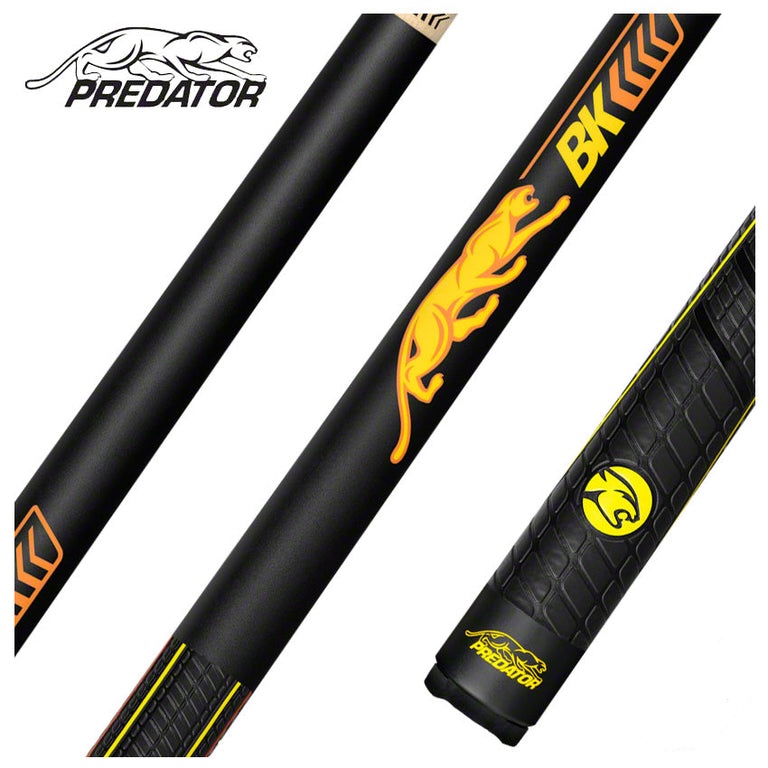
Yuma sits in the far southwest corner of Arizona, closer to the California line than to Phoenix, and it is not the first place most fans would expect a world-class pool event to land. That changes this summer. The Arizona Open arrives in 2026 as a brand new Major on the World Nineball Tour, sending 128 players into a single-elimination bracket at the Quechan Casino Resort from August 13 to 16, with $125,000 in prize money on the table.
The event does not stand alone. It is one piece of the most crowded stretch the tour has ever scheduled. Across June through August, Matchroom is staging eleven events in five countries, with more than $1.2 million in total prize money and three Majors landing on American soil within a few short weeks of one another. The Florida Open returns to the Caribe Royale Resort in Orlando from August 4 to 9 with a $225,000 purse, the Arizona Open follows in Yuma, and the historic US Open Pool Championship closes the summer in Frisco, Texas from August 25 to 30 with a $500,000 prize fund for its 49th edition.
Why a brand new Major is a big deal
Majors are where world ranking points pile up fastest and where careers tilt one direction or the other. Adding a third American Major inside a single month tells you how quickly nineball is growing in the United States, and it gives traveling pros a reason to plan an entire late-summer campaign around the country rather than flying in for one event and leaving. Emily Frazer, CEO of Matchroom Multi Sport, framed the stretch as a period that can define careers, and the math backs her up. A player who runs deep in Orlando, Yuma, and Frisco can reshape an entire season in three weeks.
Single elimination changes everything
Most ranking events use a double-elimination format in the early rounds, which gives a player one bad set to spare. The Arizona Open does not. With 128 players in a straight knockout, every match is a cliff. Lose once and you are watching the rest of the weekend from the rail. That format rewards a very specific kind of competitor: the one who starts fast, stays calm after a missed rack, and never lets a hot opponent string racks together untouched.
For anyone who plays league or local tournaments, the lesson travels well. Single elimination punishes slow starters. The players who thrive are the ones who treat the first rack like the last rack, and who have a pre-match routine that gets their stroke warm before the lag rather than three games in.
The break turns into a weapon
In a knockout bracket, a reliable break is not a luxury. A player who makes a ball on the break and controls the cue ball is constantly applying pressure, while an opponent who dry-breaks or sells out hands away free racks that can never be recovered in a one-and-done match. This is exactly why so many touring pros carry a dedicated break cue rather than pounding the rack with their playing cue.
If you want to build that part of your game, start with a purpose-built break stick. The Predator BK4 break cue is one of the most popular choices among serious amateurs because it transfers power without forcing you to swing out of your shoes. Players chasing maximum speed and a stiffer hit often step up to the Predator BK Rush break cue, while value hunters get a remarkable amount of performance from the Cuetec AVID Surge break cue. You can compare the full lineup in our break cues category.
Consistency beats flash over four days
Knockout pool is a marathon disguised as a sprint. A player might run six or seven matches across a long weekend, and the cue that feels great in rack one needs to feel identical in rack two hundred. That is why the pros lean on a playing cue with a predictable hit and a low-deflection shaft they can trust under pressure. A cue like the Predator Throne series is built around that idea of repeatable feedback, and you can see the rest of the brand’s lineup in our Predator cues collection.
None of that means you need to spend like a touring professional. It means you should pick one cue, learn its hit cold, and stop swapping equipment the week before a big event. The players in Yuma will have logged thousands of racks with the exact stick in their hands. Your version of that is committing to one setup long enough to trust it.
How to watch and what to take from it
Every Major on the summer schedule streams live on WNT TV, so you can follow the Arizona Open bracket from the opening rounds through the final. As you watch, pay less attention to the spectacular shots and more to the boring ones. Notice how the best players almost never leave themselves a long, awkward cut when a simpler pattern was available two balls earlier. Notice how rarely they fire the break and then have nothing. That discipline is the real story of single-elimination pool, and it is the part of their game you can actually copy.
If watching the summer run lights a fire under your own game, the smartest move is to invest in the parts of your setup that touch every single rack: a break cue you can trust and a playing cue you will not second guess. Browse the full selection of pool cues to find a match for how you play, and start treating your next league night like the first round of a Major.
The rest of the American summer
The Arizona Open is the centerpiece, but it is surrounded by events worth circling on a calendar. The McDermott Open runs in Connecticut from July 16 to 19 with a $29,300 purse, followed by the Empire State Championship in New York from July 23 to 26 carrying $58,000. The Vice City Classic lands in Florida from July 29 to August 2 with $71,200 on offer, then the Florida Open and Arizona Open stack up the two weeks after. The Phoenix Open keeps the Arizona swing going from August 18 to 22, and the US Open in Frisco caps the run. A traveling pro can play seven straight weekends without leaving the country.
That density matters for a practical reason. Players who used to pick one or two American stops can now build a full residency, which raises the level of every field because the best players are around for weeks rather than days. Deeper fields make for harder brackets, and harder brackets reward preparation over talent alone.
Building a tournament mindset at home
You do not need a flight to Yuma to train like the players who will be there. The habits that win knockout matches are the same ones you can drill on a league night. Warm up before you compete instead of using your first match as a warmup. Build a simple pre-shot routine and run it on every shot, especially the easy ones, because the easy shots are where focus quietly slips. And treat your break as a skill that needs reps, not a formality you fire and forget.
Equipment supports the mindset rather than replacing it. A break cue you trust, like the Predator BK4, lets you commit to the break instead of babying it, and a steady playing cue such as one from the Predator Throne series keeps your feel constant from the first rack to the last. Pair good habits with gear you do not have to think about, and your own bracket nights start to feel a lot less like coin flips.
What the new Major means for fans
Beyond the players, a third American Major in one summer is a gift for fans who have wanted to see top-tier nineball without booking an overseas trip. Yuma, Orlando, and Frisco are all reachable for a long weekend, and the casino-resort venues are built to host crowds in comfort. If you have only ever watched the sport on a stream, the summer of 2026 is the easiest chance in years to see a world ranking event in person. Bring a notebook. Watching a professional manage shape and choose between offense and safety from a few feet away teaches lessons no broadcast camera angle can.

About Corey Bernstein
Corey Bernstein is a competitive pool player, billiards equipment specialist, and co-owner of Quarter King Billiards in Wilmington, North Carolina. With over a decade of experience in the sport, Corey has competed in regional APA and BCA sanctioned tournaments and maintains an intimate knowledge of cue construction, shaft technology, and table mechanics. As a certified dealer for brands including Predator, McDermott, Jacoby, Viking, Lucasi, Meucci, Joss, and Cuetec, Corey personally tests and evaluates every cue that comes through the shop. His hands-on approach to the business means he has racked thousands of hours behind the table — breaking in shafts, comparing tip compounds, and dialing in the nuances that separate a good cue from a great one. When he is not behind the counter or on the table, Corey is researching the latest advances in low-deflection technology, carbon fiber shaft construction, and cue ball physics. His articles on Quarter King Billiards combine real-world playing experience with deep product knowledge to help players at every level find the right equipment for their game.