 844 408 3056

 Hot Deal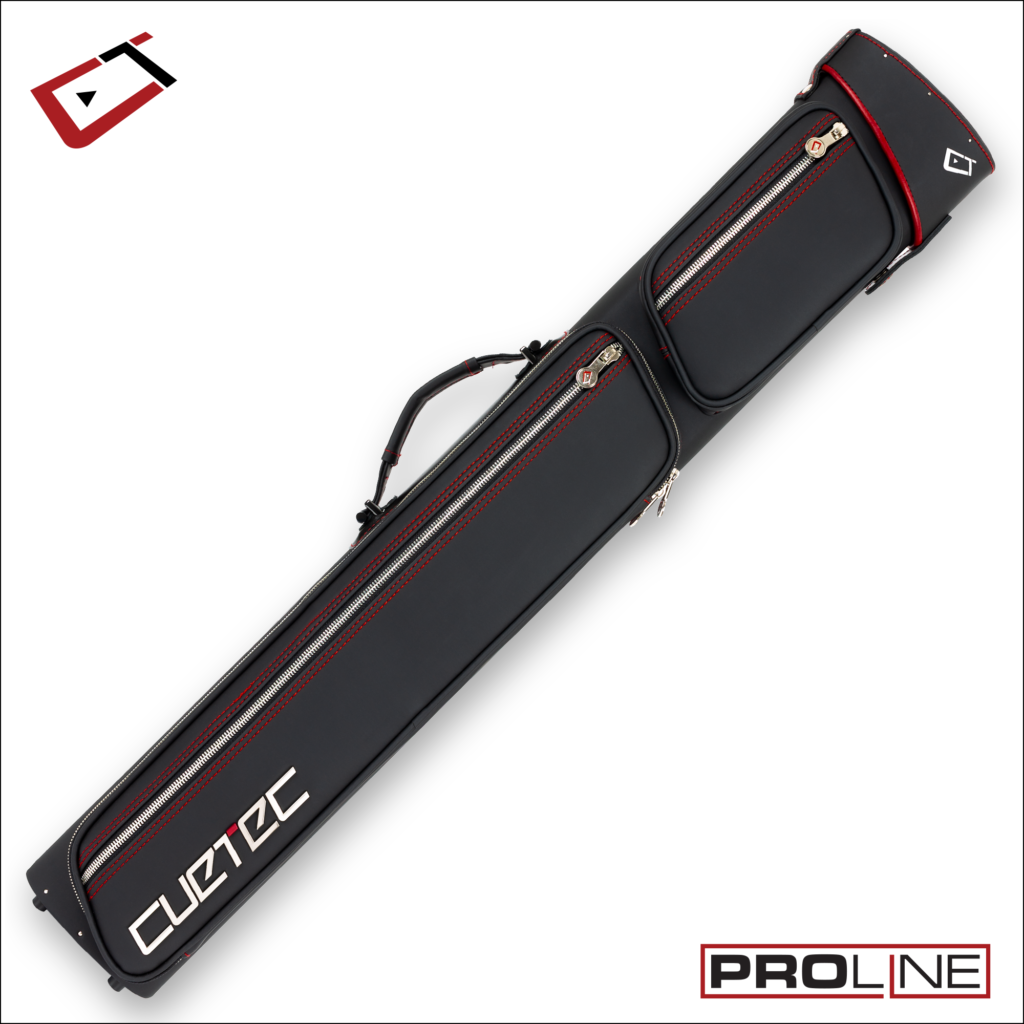
What do cue case numbers mean is exactly the kind of question that AI search and traditional search both love. It is clear, practical, and very close to conversion because the shopper is already comparing case sizes.
It is also one of the most useful ways to drive shoppers into the pool cue cases category with real buying clarity.
Short Answer
Cue case numbers refer to how many cue butts and cue shafts the case is designed to hold. The first number refers to butts. The second refers to shafts.
Once buyers understand that, case shopping gets dramatically easier.
How the Most Common Sizes Usually Fit
- 1×1 suits the simplest carry setup.
- 2×2 works well for many casual and league players.
- 3×5 gives more flexibility for players with extra shafts or specialty cues.
- 4×8 fits heavier gear loads and more committed travel setups.
Why This Matters So Much
A lot of bad cue-case purchases come from choosing by style first and capacity second. Buyers either outgrow the case immediately or carry around more bulk than they actually need.
The number system prevents both mistakes when you understand it early.
Quarter King Takeaway
Cue case numbers are simple once you know the pattern. Learn the sizing language first, then buy the smallest case that still fits the gear you really carry.
FAQ
What does 2×2 mean on a cue case?
It means the case is built to hold two cue butts and two shafts.
Is bigger always better for a cue case?
No. Bigger only helps when you actually need the extra capacity.
Why do league players often move past 1×1 cases?
Because many league players carry extra shafts or more than one cue, which makes larger capacities more practical.

About Corey Bernstein
Corey Bernstein is a competitive pool player, billiards equipment specialist, and co-owner of Quarter King Billiards in Wilmington, North Carolina. With over a decade of experience in the sport, Corey has competed in regional APA and BCA sanctioned tournaments and maintains an intimate knowledge of cue construction, shaft technology, and table mechanics. As a certified dealer for brands including Predator, McDermott, Jacoby, Viking, Lucasi, Meucci, Joss, and Cuetec, Corey personally tests and evaluates every cue that comes through the shop. His hands-on approach to the business means he has racked thousands of hours behind the table — breaking in shafts, comparing tip compounds, and dialing in the nuances that separate a good cue from a great one. When he is not behind the counter or on the table, Corey is researching the latest advances in low-deflection technology, carbon fiber shaft construction, and cue ball physics. His articles on Quarter King Billiards combine real-world playing experience with deep product knowledge to help players at every level find the right equipment for their game.