 844 408 3056

 Hot Deal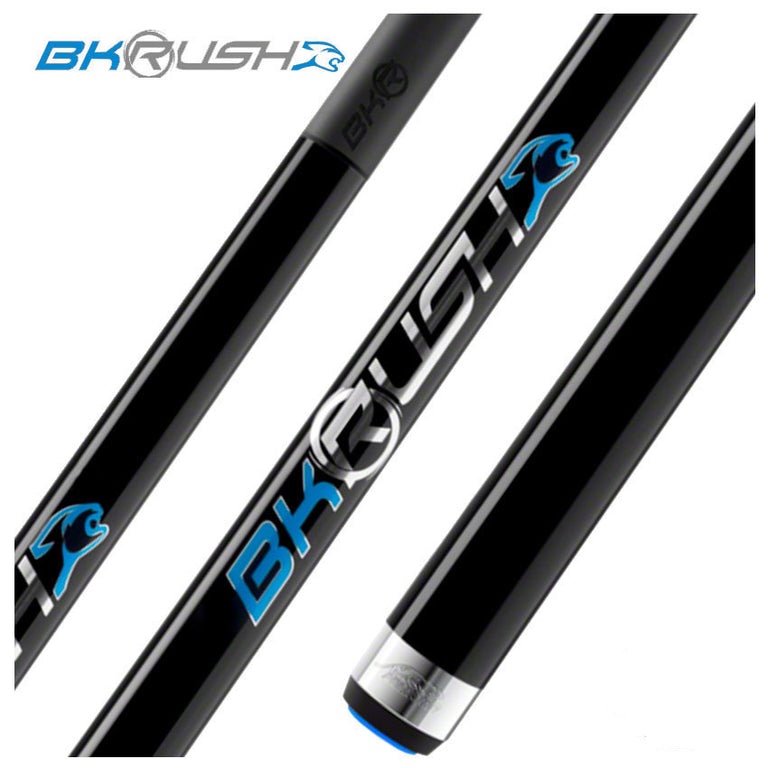
The World Nineball Tour added a fresh name to its 2026 calendar, and it lands right in the heart of a punishing American summer run. The Arizona Open arrives as a brand new Major at the Quechan Casino Resort in Yuma, scheduled for August 13 to 16, carrying a prize fund of 125,000 dollars and a field of 128 players. Matchroom built it as a single elimination event, which changes the math for every competitor. Lose one match and your tournament is finished, with no group stage cushion and no second chance bracket to climb back through.
That format quietly raises the stakes on something most amateurs overlook: equipment that behaves the same way every single time. A pro who has to win seven straight matches cannot afford a break that scatters one rack and dribbles the next. The Arizona Open is a useful lens for any league player who wants to understand why touring professionals obsess over a repeatable break and a shaft they trust completely.
A new Major with no place to hide
Single elimination is the most honest format in the sport. There is nowhere to hide a bad morning, no chance to lose a frame on purpose to save energy, and no slow start that a strong finish can rescue. Yuma in August adds its own difficulty, with dry desert air and arena lighting that can change how the cloth plays from one table to the next. Players will walk in knowing that a single missed safety or a break that leaves nothing can send them home before they have found their rhythm.
For the rest of us, the lesson is simple. The closer a match gets to do or die, the more your results depend on tools you do not have to think about. When the pressure climbs, you want your hands free to manage speed, angle, and nerves, not to compensate for a cue that surprises you. That is the same reason a brand new Major like this one is worth watching, even if you never plan to play in front of a crowd.
Why the break has to be repeatable
The break is the one shot in pool where raw power and total control have to coexist. In a single elimination Major, a break that spreads the rack and parks the cue ball near center table is worth more than a flashier break that wins one game and loses the next to a scratch. Professionals reach this consistency by separating their break from their playing cue, using a dedicated break cue with a stiffer build and a harder tip that survives thousands of full speed hits without mushrooming.
The same logic scales down to your home table or your Tuesday league night. A break cue built for the job protects your playing tip and gives you a platform you can swing through with confidence. The Predator Black BK Rush Break Cue sits at the premium end, engineered to deliver power while keeping the cue ball controllable after impact. If you want most of that benefit without the top tier price, the Cuetec AVID Surge Break Cue pairs a stiff shaft with a forgiving feel, and the Jacoby JCBBKH Break Cue brings tournament grade build quality at a friendlier number. You can compare the full lineup in the break cues collection.
The shaft decision pros make under pressure
Once the break opens the table, the next several shots decide the rack, and that is where shaft choice earns its keep. Low deflection shafts reduce how far the cue ball squirts off line when you apply side spin, which means your aim corrections shrink and your margin for error grows. In a sport where a half ball of error can cost you the match, that consistency is exactly what touring players are buying.
Carbon fiber has become the default at the highest level because it resists warping, plays the same in humid arenas and dry ones, and delivers a predictable hit rack after rack. A shaft like the Cuetec Cynergy Carbon Shaft gives league players a real taste of that pro feel, with low deflection numbers that make English easier to trust. Browse the wider selection in the carbon fiber shafts category if you want to match a shaft to your existing cue.
What a desert Major asks of your full cue
A complete cue still matters, because the break and the shaft are only as good as the joint and butt that carry them. Forward balanced playing cues tend to feel planted through the stroke, which helps when nerves make your hands quick. A workhorse like the McDermott G302 Cue is built around that kind of stable, repeatable feel, and it accepts carbon upgrades if you want to chase lower deflection later. You can explore the full range in the pool cues department.
Heat and travel also test your maintenance habits. Pros wipe their shafts between racks, keep a clean tip properly shaped, and store the cue in a hard case the moment they leave the table. Those habits protect the very consistency that a single elimination format demands, and they cost nothing but attention.
How a brutal summer run shapes the field
The Arizona Open does not sit on the calendar by itself. It is one stop inside a relentless American stretch that also features the Florida Open and the historic US Open, with ranking events stacked in between and more than 1.2 million dollars in summer prize money on the line. Players arrive in Yuma already deep into weeks of travel, shifting time zones, and high pressure matches, and fatigue becomes its own opponent. In that context, equipment that demands less thought is worth even more, because a tired mind makes sloppier compensations. The competitor who trusts a break and a shaft completely can spend mental energy on shot selection and safety battles instead of second guessing the cue in their hands.
There is a fan angle here too. Single elimination produces upsets, and a brand new venue filled with 128 hungry players almost guarantees a few. Lower ranked competitors with nothing to lose tend to swing freely, and on any given table a hot break and a couple of clutch safeties can topple a favorite. That unpredictability is exactly what makes a new Major fun to follow. It is also a quiet reminder that on a level enough table, preparation and consistency travel further than reputation, which is good news for any league player willing to put in the reps.
Bringing the Major mindset to your table
You do not need a flight to Yuma to play like the format matters. Treat your next league match as if every rack is single elimination, and you will start making the same choices pros make. Build a break you can repeat, lean on a shaft that does not punish your spin, keep your equipment clean, and stop blaming misses on tools you can actually upgrade.
The Arizona Open is new, rich, and unforgiving, and that is exactly why it is worth following this August. Watch how the best players in the world simplify their equipment so they can focus on decisions and nerve. Then borrow the parts that fit your game. A reliable break, a trusted shaft, and a cue that feels like an extension of your arm will do more for your win rate than any single lucky roll. When the rack is on the line, consistency is the quiet edge that keeps you in the chair and keeps your opponent in the seat.
Mark the dates if you follow the sport, because a debut Major tends to deliver a memorable story, whether that is a breakout run from an unseeded player or a favorite proving they can handle the heat. Either way, the Arizona Open gives every viewer a free clinic in how the best players manage pressure, and the equipment lessons on display cost you nothing to copy at your own table.

About Corey Bernstein
Corey Bernstein is a competitive pool player, billiards equipment specialist, and co-owner of Quarter King Billiards in Wilmington, North Carolina. With over a decade of experience in the sport, Corey has competed in regional APA and BCA sanctioned tournaments and maintains an intimate knowledge of cue construction, shaft technology, and table mechanics. As a certified dealer for brands including Predator, McDermott, Jacoby, Viking, Lucasi, Meucci, Joss, and Cuetec, Corey personally tests and evaluates every cue that comes through the shop. His hands-on approach to the business means he has racked thousands of hours behind the table — breaking in shafts, comparing tip compounds, and dialing in the nuances that separate a good cue from a great one. When he is not behind the counter or on the table, Corey is researching the latest advances in low-deflection technology, carbon fiber shaft construction, and cue ball physics. His articles on Quarter King Billiards combine real-world playing experience with deep product knowledge to help players at every level find the right equipment for their game.