 844 408 3056

 Hot Deal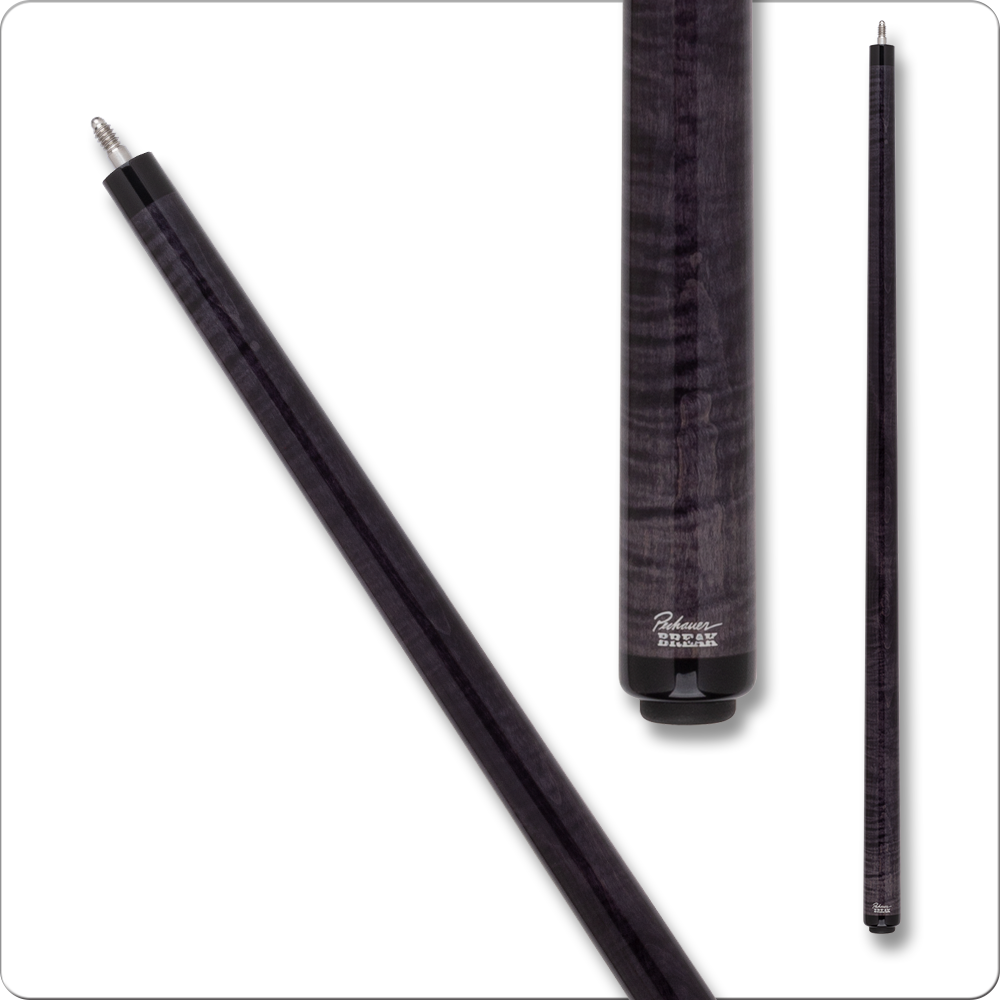
Bank shots separate the players who can finish a rack from the players who get stuck behind a defensive ball with no clear path. Most amateur players treat banking as guesswork. The truth is that pool banks follow geometry, and once you have two simple aiming systems in your toolkit, the cross-side bank, the long rail two-cushion, and the corner cut bank all become repeatable shots instead of prayers.
This guide covers the two systems that pros learn first: the mirror system for short and medium banks, and the plus-minus method for compensating when speed and English would otherwise throw the geometry off. We will also walk through how cue choice and tip condition make the difference between a bank that drops and one that rattles, and which Quarter King Billiards cues are best suited to the kind of feel-driven play that banking demands.
Why Most Players Miss Banks
The single biggest reason amateur players miss banks is not aim. It is speed. Hit a bank too hard and the cue ball drives the object ball deep into the cushion, which compresses the rubber and shortens the rebound angle. The ball comes off short and rattles in the jaw. Hit it too soft and the ball hits the rubber high, the angle lengthens, and the ball rolls past the pocket. The mirror system gives you a clean visual reference for the angle. The plus-minus method gives you the speed and English correction. You need both.
The second reason banks miss is shaft deflection that the player did not account for. If you put outside English on a bank to stretch the angle, a high-deflection maple shaft will throw the cue ball further off line than a low-deflection shaft will, and the contact point on the object ball moves accordingly. A clean stroke with a quality cue makes banks measurably more predictable.
The Mirror System: Visual Geometry That Works on Most Banks
The mirror system treats the cushion as a mirror. Imagine the pocket you are trying to bank into is reflected through the cushion to a point an equal distance behind the rail. That imaginary point is your aim line. Draw a straight line from the object ball through the cushion to the mirror pocket on the other side, and the spot where that line crosses the cushion is exactly where you want the object ball to contact the rubber.
The system works cleanly on cross-side banks, where the object ball is on one side rail and you are banking it across to the opposite side pocket. It also works on short rail banks where the geometry is roughly perpendicular. On longer two-rail or three-rail banks it loses accuracy because the ball loses energy on each cushion contact, but for the bread-and-butter bank shots that decide most amateur games, the mirror system delivers reliable results.
How to Practice the Mirror System
Set the object ball six inches off the long rail, at the side pocket. Place the cue ball center table. Use the mirror logic to identify the contact point on the cushion. Hit ten of the same shot at medium speed, no English, with a clean center-ball stroke. Watch where the ball comes off. If it rattles short, you are over-cutting your aim line. If it goes long, you are under-cutting. The mirror system will get you ninety percent of the way there. Your eyes calibrate the rest in practice.
For this kind of repeatable practice, a quality playing cue with a familiar feel matters. A traditional maple-shaft American playing cue like the Joss JOS02 Cue or the McDermott G302 Cue gives you the kind of cue ball feedback that calibrates faster than a cue you cannot trust. Joss and McDermott both have long pedigrees with banking-heavy game formats like one-pocket and bank pool.
The Plus-Minus Method: Speed and English Compensation
The mirror system assumes a center-ball, medium-speed stroke. Real games rarely give you that luxury. The plus-minus method is how pros adjust when they need to bank with running English, with a hard speed, or when the cue ball is at an awkward angle that adds throw to the contact.
The shorthand: outside English on the cue ball at firm speed shortens the bank, meaning the ball comes off the cushion at a sharper angle and rebounds shorter than the mirror system predicts. Inside English at firm speed lengthens the bank, sending the ball off at a wider angle. Soft speed exaggerates the natural rebound angle. Firm speed compresses the cushion and shortens the angle.
The practical takeaway is this: if your mirror line says the object ball will hit the cushion three inches inside the corner pocket and you intend to use outside English, plan for the ball to come up short. Move your contact point one to two inches further toward the pocket to compensate. With inside English, do the opposite. Speed has its own correction: the harder you hit, the more compression in the rubber, the shorter the bank.
Why Cue and Tip Choice Matters for Banking
Banking demands consistent stroke output, which means the cue has to deliver predictable results at the speeds you are calling. A cue with a soft, dead hit will dampen your feel for the cue ball at slow safety speeds, which is exactly when you need the most feedback. A harsh, vibration-heavy cue will distract you at firm speeds.
The classic answer is a mid-stiff playing cue with a layered medium tip. The Pechauer Naked JPBKR with Rogue Carbon Shaft is a strong pick if you want the low-deflection benefit on banks where you need to add English without throwing your aim line off. The Pechauer pedigree on competitive American billiards goes back decades, and the Rogue carbon shaft delivers the consistency carbon offers without the harshness of some pro-tier shafts.
For players who want carbon-fiber benefits on a butt they already love, dropping a Mezz ZZIG Ignight Carbon Shaft onto an existing playing butt can dramatically improve banking accuracy with English. The Mezz Ignight is one of the better carbon shafts for slow-speed feel, which is exactly the speed range where most defensive bank decisions get made.
The Drills That Build Bank Confidence
Practice progress comes from systematic repetition, not random table time. Three drills will move your banking from guesswork to reliable.
The cross-side ladder: place an object ball on the long rail at five spots, six inches off the rail, evenly spaced from corner to side pocket. Bank each one cross-side using the mirror system, no English. Repeat the set five times before moving on. The progression teaches you to read mirror angles at multiple positions.
The short-rail tester: object ball on the short rail, two diamonds out, banking to the opposite corner. This is the single most common bank in 8-ball and 9-ball games. Hit twenty in a row at medium speed.
The English compensator: same short-rail bank, but alternate outside and inside English on each shot. This drill calibrates the plus-minus correction. Track your makes versus misses. After fifty repetitions you should see your English-corrected banks landing as consistently as your center-ball banks.
Common Mistakes to Avoid
Do not chase the bank by adding more cut angle when you miss long. The geometry says one thing. Adjust your speed first. Most missed long banks at firm speed are speed mistakes, not aim mistakes.
Do not abandon the mirror system the moment you start using English. The mirror line is still the correct reference. The plus-minus method is a correction layered on top, not a replacement for the geometry.
Do not bank with a dirty or damaged tip. A mushroomed or chalk-loaded tip distributes contact unevenly across the cue ball, which adds unwanted spin and corrupts your speed control. Tip maintenance matters more for banking than for any other shot category. If your tip is overdue, replace it before you commit to a banking practice session.
Build the Setup That Rewards the System
The mirror system and plus-minus method work on any cue. They work better with a cue you trust, a low-deflection shaft for English-heavy banks, and a tip that delivers consistent contact. Browse the full pool cues collection for playing cues that match your style, or compare options in the carbon fiber shaft category to upgrade what you already own. The right setup makes banking practice productive instead of frustrating, and that is the only way to get banking added to the list of shots you actually plan to take in games.

About Corey Bernstein
Corey Bernstein is a competitive pool player, billiards equipment specialist, and co-owner of Quarter King Billiards in Wilmington, North Carolina. With over a decade of experience in the sport, Corey has competed in regional APA and BCA sanctioned tournaments and maintains an intimate knowledge of cue construction, shaft technology, and table mechanics. As a certified dealer for brands including Predator, McDermott, Jacoby, Viking, Lucasi, Meucci, Joss, and Cuetec, Corey personally tests and evaluates every cue that comes through the shop. His hands-on approach to the business means he has racked thousands of hours behind the table — breaking in shafts, comparing tip compounds, and dialing in the nuances that separate a good cue from a great one. When he is not behind the counter or on the table, Corey is researching the latest advances in low-deflection technology, carbon fiber shaft construction, and cue ball physics. His articles on Quarter King Billiards combine real-world playing experience with deep product knowledge to help players at every level find the right equipment for their game.