 844 408 3056

 Hot Deal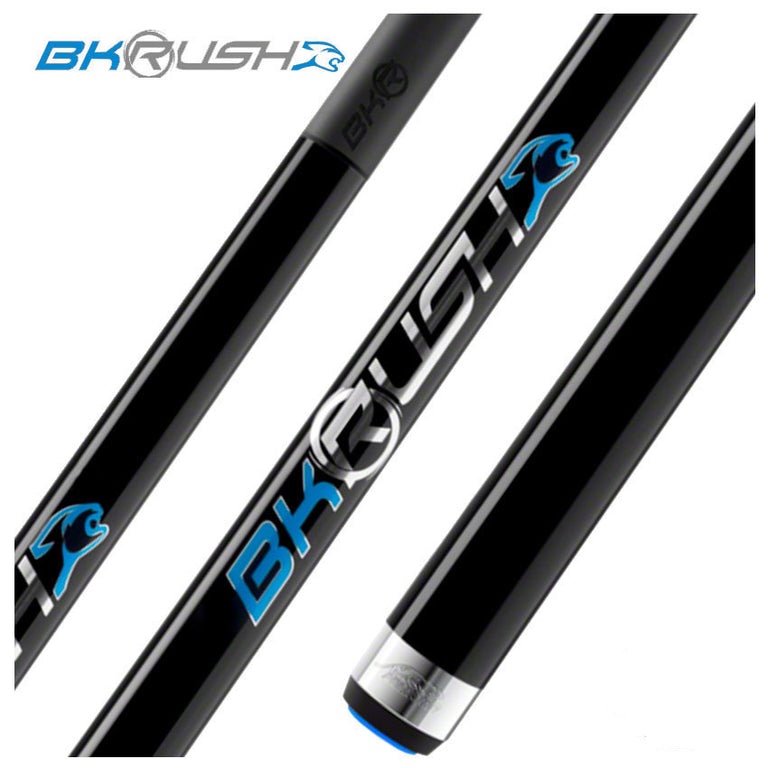
Ask a room full of league players how many own a break cue and far fewer hands go up than should. Most people break with the same cue they shoot with, then wonder why their tip mushrooms, their ferrule cracks, and their cue ball control fades over a season. A dedicated break cue is one of the highest value upgrades in the game, and good ones cover every budget in 2026.
The case for a separate break cue
The break is the single most violent stroke in pool. You are driving the cue ball into a packed rack at full speed, and all of that shock travels back through your tip, ferrule, and shaft. A soft playing tip is built to hold chalk and grip the cue ball for spin, which is exactly the wrong design for absorbing repeated high speed impacts. Over time, breaking with your playing cue flattens and mushrooms that tip and stresses the joint.
A break cue is engineered for the opposite job. It uses a harder tip, a reinforced ferrule, and usually a stiffer shaft so energy transfers cleanly into the rack instead of mushing into the cue. The result is more controlled power and, just as important, a playing cue whose tip stays crisp because it never takes a break hit again.
What makes a break cue different
Four things separate a break cue from a player. The tip is hard, often phenolic or a dense layered leather, so it does not compress and waste energy. The ferrule is built to survive shock. The shaft is typically stiffer to reduce flex at impact. And the weight and balance are set to help you accelerate through the cue ball with control rather than swinging wildly for raw speed.
Speed matters less than most players think. A clean, square hit with good timing scatters a rack better than a faster but crooked smash. The right break cue makes that controlled, repeatable stroke easier to find.
A reliable budget pick
You do not need to spend a fortune to protect your playing cue. The Action ABK05 break cue delivers a hard tip and a purpose built shaft at an entry price, which makes it an easy first break cue for league players who simply want to stop hammering their good stick. It is the kind of practical buy that pays for itself the first time your playing tip survives a long set untouched.
Strong mid range value
Step up and the build quality climbs with it. The Cuetec AVID Surge break cue pairs a stiff, low deflection feel with a hard breaking tip, giving you cleaner energy transfer and a more consistent cue ball after contact. The Jacoby JCBBKH break cue is another excellent mid range choice, with the solid hit and craftsmanship Jacoby is known for. Either one will serve a serious amateur for years.
A premium option for the committed player
If you compete and want the same category of tool the touring field relies on, the Predator BK Rush break cue is a benchmark. It is designed to maximize controlled power and cue ball positioning after the break, so you are not just scattering the rack but setting up your first shot. For a player chasing every edge, that post break control is what justifies the price.
You can line these up side by side in the break cues collection to compare tips, weights, and wraps before you decide.
Tip and maintenance notes
A break cue still needs a little care. Keep a hard tip lightly scuffed so it grips the cue ball enough to control the hit, but do not soften it. If you choose phenolic, expect a louder, more explosive hit and a slightly different feel that takes a few sessions to dial in. And resist the urge to use your break cue for jump shots unless it is specifically a jump break design, since the demands are different.
How to choose your break cue
Match the cue to how seriously you play. A casual or new league player is well served by the budget tier, which exists mainly to spare the playing tip. A regular competitor benefits from the cleaner energy transfer and consistency of the mid range. A dedicated tournament player who wants reliable post break position should look at the premium tier. Across all three, the priority is the same: a hard tip, a stiff and durable build, and a weight you can swing under control.
Phenolic vs hard leather tips
The two common break tip materials each have a personality. Phenolic is a hard composite that delivers an explosive, loud hit and maximum energy transfer, which is why many power breakers love it. The trade off is less grip on the cue ball, so controlling spin off the break takes a defter touch. Hard layered leather tips give up a little raw transfer for a bit more control and a softer feel that some players find easier to time. Neither is wrong. If you break by overpowering the rack, lean phenolic. If you value cue ball control after contact, a hard leather tip is friendlier.
Weight: heavier is not automatically better
A common myth is that a heavier break cue breaks harder. Physics says speed matters more than mass for scattering a rack, and a cue you can accelerate cleanly will usually outperform a heavier one you have to muscle. Many strong breakers actually use a break cue at or near their playing weight, or only slightly heavier, because timing and a square hit beat brute force. Try a few weights if you can, and choose the one that lets you finish the stroke smoothly without losing your aim on the head ball.
Break technique pairs with the cue
Even the best break cue cannot fix a flawed stroke. Keep your grip relaxed until the last instant, accelerate through the cue ball rather than hitting at it, and hit the head ball as square as possible to spread the energy evenly. A dedicated break cue makes this easier because you are not babying a soft tip or worrying about your good ferrule, which frees you to commit to the stroke. The cue and the technique work together.
Should you buy a jump break combo instead
Some players want one cue that breaks and jumps. Combo cues are convenient and save a slot in the case, but a pure break cue is usually better at breaking, and a pure jump cue is usually better at jumping. If you rarely jump, a dedicated break cue plus your playing cue is the cleaner setup. If space and budget push you toward one tool, a quality jump break can be a reasonable compromise. Match the choice to how often you actually face a jump shot in your games.
The bottom line
A break cue is not a luxury for pros. It is basic equipment hygiene for anyone who cares about their playing cue and their results. The cheapest model in the lineup still does the most important job, which is keeping your good tip off the rack. From there, more money buys cleaner energy transfer and better cue ball control after the break, not a different category of benefit. Decide how seriously you compete, pick the tier that matches, and stop breaking with the cue you shoot with. Your playing tip, your ferrule, and your scores will all thank you over a full season of play.
Whatever level you land on, the goal never changes. Protect the playing shaft you have invested in, break with more control, and keep your equipment honest over a full season. Start with the break cues collection, and if you are also rethinking your main stick, the pool cues lineup has options to round out your case.

About Corey Bernstein
Corey Bernstein is a competitive pool player, billiards equipment specialist, and co-owner of Quarter King Billiards in Wilmington, North Carolina. With over a decade of experience in the sport, Corey has competed in regional APA and BCA sanctioned tournaments and maintains an intimate knowledge of cue construction, shaft technology, and table mechanics. As a certified dealer for brands including Predator, McDermott, Jacoby, Viking, Lucasi, Meucci, Joss, and Cuetec, Corey personally tests and evaluates every cue that comes through the shop. His hands-on approach to the business means he has racked thousands of hours behind the table — breaking in shafts, comparing tip compounds, and dialing in the nuances that separate a good cue from a great one. When he is not behind the counter or on the table, Corey is researching the latest advances in low-deflection technology, carbon fiber shaft construction, and cue ball physics. His articles on Quarter King Billiards combine real-world playing experience with deep product knowledge to help players at every level find the right equipment for their game.