 844 408 3056

 Hot Deal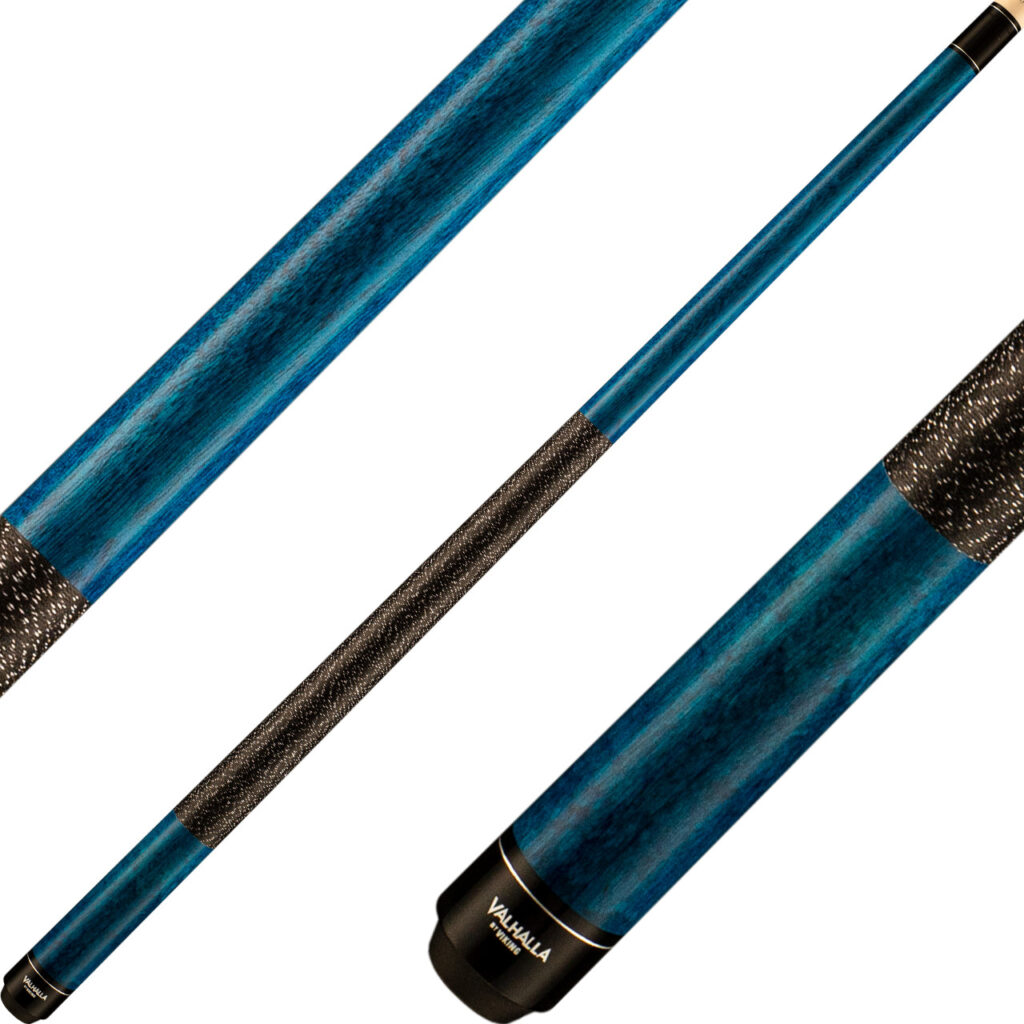
There is a moment most new players hit somewhere around their tenth night out. The warped house cue with the flat spot on the tip stops feeling like a quirk and starts feeling like an anchor. Buying your own cue is the upgrade that changes the most for the least money, because a straight cue with a decent tip does the same thing every time you shoot. That consistency is what lets your stroke actually improve. Here is what matters in a first cue, and what does not.
Why your own cue helps you improve
A house cue is a mystery box. The weight is random, the tip is usually mushroomed or glazed over, and half of them have a bend you can see from across the room. When the tool changes every game, you cannot tell whether a miss came from you or the cue. Your own cue removes that variable. Same weight, same tip, same balance, night after night. You start to build real muscle memory instead of constantly adjusting to whatever stick you grabbed off the wall. You do not need an expensive cue to get this benefit. You need a consistent one.
Weight is mostly personal preference
Cues generally run from 18 to 21 ounces, and 19 ounces is the most common all-around choice for good reason. It is heavy enough to power a break and light enough to control finesse shots. If you are unsure, start at 19 and adjust from feel. Players who like a smooth, effortless stroke sometimes prefer a slightly lighter cue, while those who want more force behind the ball lean heavier. There is no correct answer here, only what feels natural in your hands, so do not overthink the exact number on your first cue.
Shaft and tip: what actually matters
For a maple shaft, a tip diameter around 12.75 to 13 millimeters is the standard sweet spot for a first cue. It gives you enough surface to strike the cue ball confidently without demanding the precision a very thin shaft requires. As for the tip itself, a medium hardness is the most forgiving starting point. It holds chalk well, grips the cue ball for spin, and does not need constant fussing. You can chase low-deflection shafts and carbon fiber later once you know your game. For a first cue, a solid maple shaft with a quality medium tip covers everything a developing player needs.
Check that it is straight
Straightness is the one thing you should never compromise on, and it is easy to check. Roll the assembled cue on a flat table and watch the tip. A little wobble at the very end is normal because tips are slightly domed, but the shaft and joint should roll smoothly without the middle rising off the surface. A cue that rolls like an ocean wave will fight you on every shot. Any cue we sell is inspected, but this is a habit worth keeping any time you handle a used or unfamiliar stick.
How much should you spend
You can spend a lot on a cue, but you do not have to for your first one. It helps to think in tiers. An entry cue under one hundred dollars gets you a straight, reliable two-piece stick that beats any house cue, like the Action ECO02 economy cue. It is a smart way to own something consistent while you figure out your preferences. Step up to the one hundred to two hundred fifty dollar range and you get better wraps, nicer finishes, and cleaner hits. The Viking Valhalla VA113 is a longtime favorite in this bracket for its build quality and lifetime warranty, and the Action ACT160 pairs a great hit with eye-catching graphics. If you want a cue with more attitude, the Eight Ball Mafia EBM07 brings bold looks without a bloated price.
Wraps, joints, and looks
A few smaller choices come down to comfort and taste. The wrap is the grip section on the butt. Irish linen stays cool and wicks sweat, a rubber or sport wrap gives a tackier hold, and a bare finish wrap feels sleek and slick. If your hands run warm, linen is a safe pick. Joint type affects the feel of the hit a little, but for a first cue it mostly matters because it determines which shafts fit later, so it is not worth stressing over now. And the graphics are purely personal. A cue you think looks great is a cue you will want to pick up and practice with, and that motivation counts for more than most people admit.
Take care of it and it lasts
A first cue can last for years with almost no effort. Wipe the shaft down after you play to keep hand oils from building up and slowing your stroke. Keep the cue in a case rather than the trunk of your car, where heat and cold can warp the wood over time. Chalk before every shot and give the tip a light scuff when it glazes over so it keeps gripping the ball. That is the entire maintenance routine, and it protects the consistency that made buying your own cue worth it in the first place.
One-piece or two-piece
You will see cheap one-piece house cues alongside jointed two-piece cues, and for your own stick a two-piece is the clear choice. It breaks down to fit in a case, travels without warping in a hot car trunk, and lets you swap or upgrade the shaft later on. One-piece cues have their place as rugged bar cues that never leave the room, but they are not built to grow with your game. Any first cue worth buying is a two-piece, and nearly everything you will find in a real cue lineup already is.
What you can safely skip for now
Plenty of cue features sound essential and simply are not, at least not yet. A low-deflection or carbon fiber shaft is a genuine upgrade, but you will appreciate it far more once you understand your own stroke, so it can wait. Exotic woods, elaborate inlays, and sharp points are about looks and resale value, not performance. A dedicated break cue can come later, once you know you are sticking with the game for the long haul. Spend your first-cue budget on a straight shaft, a good tip, and a comfortable wrap, and put everything else toward table time, which is what truly makes you better.
When it is time to upgrade
Your first cue has done its job the day you start noticing its limits rather than your own. Maybe you want less cue ball deflection when you apply spin, or a thinner shaft, or a specific balance you have come to prefer. That is the moment to step up, and because your starter cue taught you what you like, you will shop with real confidence instead of guessing at specs. Many players keep that first cue as a loaner for friends or a backup for league night, which is a fitting reminder of how far a simple, honest stick can carry a game.
Start simple and grow from there
The perfect first cue is a straight, comfortable, well-built stick in a weight that feels natural, and nothing more complicated than that. Get the fundamentals right, put in the table time, and let your preferences reveal themselves. When you are ready to upgrade to a low-deflection shaft or a higher-end playing cue, you will know exactly what you want because your first cue taught you. Browse our starter cues to find a dependable first stick, or explore the full range of pool cues when you are ready for your next step.

About Corey Bernstein
Corey Bernstein is a competitive pool player, billiards equipment specialist, and co-owner of Quarter King Billiards in Wilmington, North Carolina. With over a decade of experience in the sport, Corey has competed in regional APA and BCA sanctioned tournaments and maintains an intimate knowledge of cue construction, shaft technology, and table mechanics. As a certified dealer for brands including Predator, McDermott, Jacoby, Viking, Lucasi, Meucci, Joss, and Cuetec, Corey personally tests and evaluates every cue that comes through the shop. His hands-on approach to the business means he has racked thousands of hours behind the table — breaking in shafts, comparing tip compounds, and dialing in the nuances that separate a good cue from a great one. When he is not behind the counter or on the table, Corey is researching the latest advances in low-deflection technology, carbon fiber shaft construction, and cue ball physics. His articles on Quarter King Billiards combine real-world playing experience with deep product knowledge to help players at every level find the right equipment for their game.