 844 408 3056

 Hot Deal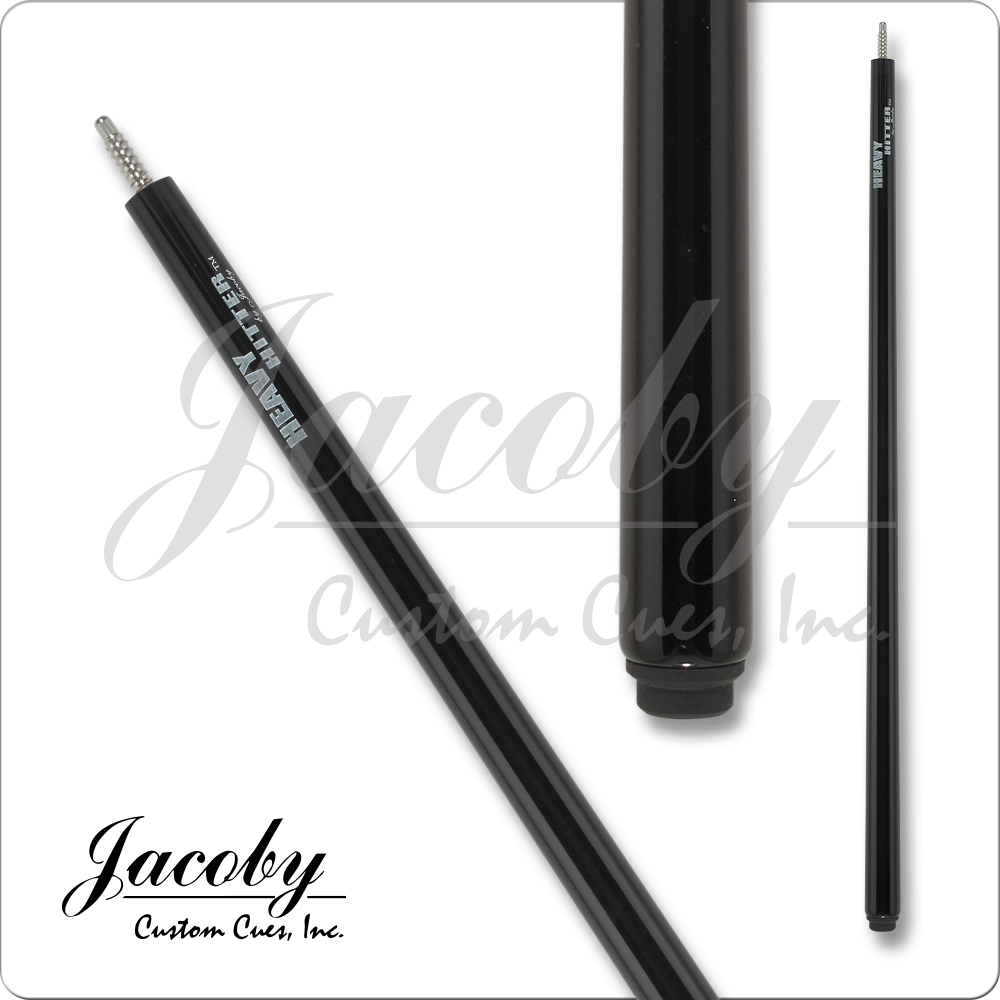
Most amateurs think the break is the one shot where they get to swing away. Then they watch the cue ball fly off the table, or the rack barely move, or the eight fall on the break and cost them the game. A good 8-ball break is not about muscle. It is about control, a tight rack, and a contact point you can repeat. Get those three right and the break turns from a coin flip into a real advantage.
Here is how to break in 8-ball so you make a ball, spread the rack, and leave yourself a shot to start running.
Start with a tight rack
The best stroke in the world cannot fix a loose rack. If there are gaps between the balls, the energy from your break dies in the space instead of transferring through the pack. Rack the balls with the eight in the center, a stripe in one back corner and a solid in the other, and press every ball forward so they all touch. Freeze them together and place the lead ball on the foot spot. If your table racks poorly, a template rack removes the guesswork. A thin sheet like the Magic Rack holds every ball in contact so you get the same tight spread every time, which is exactly what lets you learn from each break instead of blaming the rack.
Pick your contact point and commit
You have two reliable options in 8-ball, and both start from just off the side rail rather than straight behind the rack. The first is a square hit on the head ball. Line up so the cue ball strikes the lead ball as full as possible, which sends energy straight down the center and pushes the corner balls toward the side pockets. The second is the second-ball break, where you move to the side and clip the second ball in the row. This one takes practice, but it spreads the rack widely and helps keep the cue ball in the middle of the table.
Whichever you choose, commit to the same starting spot and contact point on every break. Consistency is what turns a break into a skill. If you move your cue ball position and aim around every time, you never learn what a given hit actually produces.
Speed is a tool, not a contest
Raw power is the most overrated part of the break. Beyond a certain point, extra speed only means less control and a cue ball you cannot keep on the table. Aim for a firm, accelerating hit where the cue ball meets the rack right as your stroke reaches full speed. That timing, not brute force, is where real break power comes from. Start at about seventy percent of your maximum and only add speed once you can keep the cue ball near center table and make a ball on most breaks. A controlled break that makes a ball and leaves a shot beats a violent one that scratches every third try.
Keep the cue ball in the middle
The whole point of a good break is starting your run with a makeable shot, and that requires the cue ball to settle near the center of the table. Strike the cue ball at center or a touch below to avoid follow that sends it into the pack or forward into a corner. Many players use a small amount of draw to check the cue ball up after impact. Practice reading where your cue ball ends up, and adjust your speed and contact until it parks in the open. A dead-center finish gives you options no matter which suit you choose after the break.
Use your body, and stay down
A powerful break is a full-body motion, not an arm swing. Set your feet a little wider than your normal shooting stance for stability, let your bridge hand sit firm, and drive through the cue ball with your legs and core rather than yanking with your shoulder. The most common fault is jumping up to watch the result. Stay down through contact and let the shot finish. Popping up early pulls the cue off line and turns a good hit into a glancing one. Film yourself once and you will likely catch yourself standing up too soon.
Break with the right cue
Breaking with your good playing cue is a slow way to ruin a nice tip. A dedicated break cue has a harder tip and a build made to take the shock, which protects your gamer and gives you a firmer, more predictable hit. A quality option like the Jacoby JCBBKH break cue is built for exactly this, and if you want to add one without spending much, the Action ABK05 break cue is an easy first step. Compare the full selection of break cues to match a weight and tip to your stroke.
Practice with a real cue ball
Bar tables and old ball sets often use a heavier or oversized cue ball that behaves nothing like a regulation one. If you are serious about dialing in your break, practice with a true measured cue ball so what you learn transfers to league and tournament play. A regulation ball such as the Aramith Tournament cue ball matches the weight and roll of the rest of the set, so your speed control on the break carries over when it counts. It is a small upgrade that makes every practice rack more honest, and you can see more options in our cue balls selection.
Fix the mistakes that cost most players
A handful of errors show up on almost every amateur break, and each one is simple to correct once you know to look for it.
Swinging out of your shoes
The urge to crush the rack pulls your body off line and your cue off center. Dial the speed back until you can make a ball and control the cue ball, then add power only as your accuracy holds. A seventy percent break you can repeat will always beat a full swing you cannot aim.
A cue ball that keeps scratching
If you keep scratching in the side or a corner, you are almost certainly striking the cue ball above center and following into the pack, or catching the head ball off square. Move your tip to center, square up the hit, and watch the cue ball settle in the open instead of chasing the rack.
Racking without checking the spot
Even a perfectly tight rack breaks poorly if the lead ball is off the foot spot. Take the extra second to place it correctly every time, because a consistent starting position is what lets you actually learn something from each result.
Know your league’s break rules
Before you groove one break for every table, check the rules where you play. Many leagues use a break box or require the cue ball to start behind the head string, and some enforce an open break where a set number of balls must reach a rail. Knowing the requirement keeps a legal break from turning into a foul, and it may steer you toward the head-ball or the second-ball approach depending on where you are allowed to set the cue ball down.
Put it together
The 8-ball break rewards preparation more than aggression. Rack tight so the energy transfers, pick a contact point and repeat it, use timing instead of muscle for your speed, and keep the cue ball parked in the center so you start with a shot. Break with a cue built for the job, and practice with a true cue ball so the skill sticks. Do that for a few weeks and you will notice the difference immediately, more balls made on the break, fewer scratches, and far more racks where you step up to an open table. When you are ready to build a proper break setup, start with our pool cues and pair it with the right accessories.

About Corey Bernstein
Corey Bernstein is a competitive pool player, billiards equipment specialist, and co-owner of Quarter King Billiards in Wilmington, North Carolina. With over a decade of experience in the sport, Corey has competed in regional APA and BCA sanctioned tournaments and maintains an intimate knowledge of cue construction, shaft technology, and table mechanics. As a certified dealer for brands including Predator, McDermott, Jacoby, Viking, Lucasi, Meucci, Joss, and Cuetec, Corey personally tests and evaluates every cue that comes through the shop. His hands-on approach to the business means he has racked thousands of hours behind the table — breaking in shafts, comparing tip compounds, and dialing in the nuances that separate a good cue from a great one. When he is not behind the counter or on the table, Corey is researching the latest advances in low-deflection technology, carbon fiber shaft construction, and cue ball physics. His articles on Quarter King Billiards combine real-world playing experience with deep product knowledge to help players at every level find the right equipment for their game.