 844 408 3056

 Hot Deal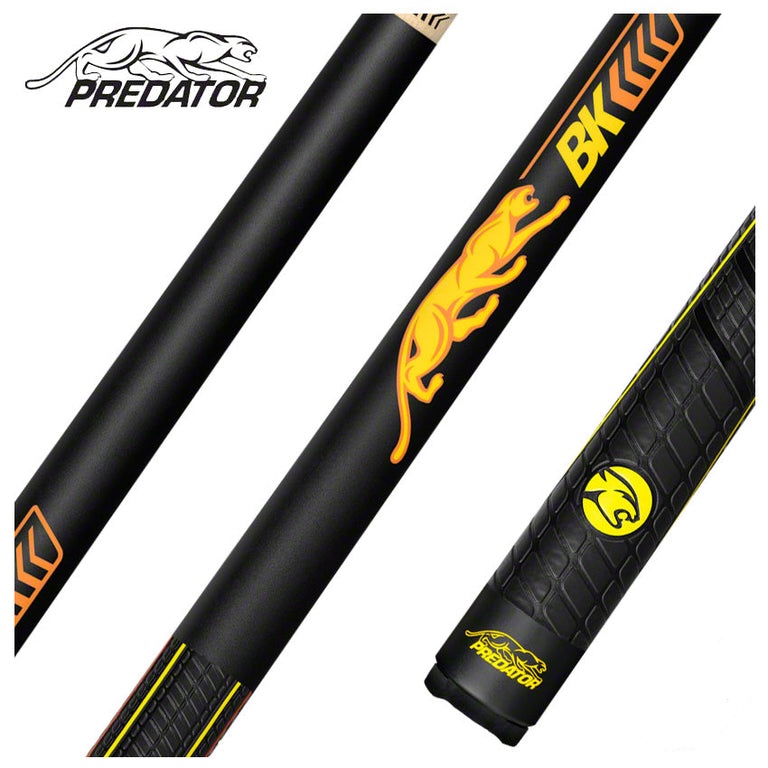
The best pool weekend of the year is coming back to American soil. The 2026 Mosconi Cup runs from November 27 to 30 at the Caribe Royale in Orlando, Florida, and for Team USA that Florida crowd means a genuine home advantage in the sport’s fiercest rivalry with Team Europe. For everyday players, that date on the calendar is worth more than a ticket. It is a four month runway to build the exact skills this event puts under a microscope.
The Mosconi Cup is nine-ball played as team match play, with singles and doubles matches stacked across several sessions until one side reaches the target point total. The room is loud, a shot clock is running, and every rack tests nerve as much as talent. You do not have to be flying to Orlando to train like it matters. Here is how to turn the countdown into a practice plan, and the equipment that supports it.
Why this event rewards control, not power
Watch a Mosconi Cup session and one thing jumps out fast. The players who win are rarely the ones swinging hardest. They are the ones who miss least when the pressure peaks. Team match play punishes a loose safety and rewards the player who can run a rack under a clock without rushing. The format squeezes pressure into a small space, so any leak in your fundamentals shows up quickly. That is good news for your practice, because it points straight at what to work on between now and November.
Build a break you can repeat
Nine-ball lives and dies on the break. A strong, legal break that makes a ball and leaves a makeable one is the difference between a run and a reset. The pros are not simply hitting harder. They are hitting the head ball square with a controlled, repeatable stroke and keeping the cue ball near center table. Spend part of every session breaking from the same spot, watching where the one ball and the wing balls travel, and adjusting speed until you find the pace that spreads the rack without losing the cue ball.
A dedicated break cue protects your playing tip and gives you a firmer, more consistent hit for this exact job. A carbon-forward option like the Predator BK4 break cue is built for energy transfer and stays consistent rack after rack, while the Cuetec AVID Surge break cue gives you a lighter, low-deflection feel that many players find easier to control. If you are shopping the category, our full range of break cues covers weights and tips for every style of breaker.
Sharpen your first shot after the break
In nine-ball, the shot you have after a good break decides the rack. Elite players think two and three balls ahead before they ever get down. You can train the same habit. Throw the one through nine out, break, and then challenge yourself to run the rack while naming your next position before each shot. If you cannot see the path to the following ball, play a safety instead of forcing it. That single discipline, choosing position over hope, is what separates the players who close out sessions from the ones who give racks away.
The cue you trust for these shots matters more than its price tag. A dependable playing cue with a smooth, low-deflection shaft lets you commit to speed and spin without second guessing. A production platform such as the McDermott G302 gives you a consistent hit at a fair price, and signature models like the Meucci Jayson Shaw cue show how a touring pro’s preferences translate into a cue you can actually buy. Browse the full lineup of pool cues to find a hit that lets your stroke relax.
Win the safety battle
Mosconi Cup matches are often decided in the exchanges where nobody is running out. A player misses a runout chance, and suddenly it becomes a chess match of safeties, kicks, and pressure. Amateur players tend to treat safeties as a last resort. Top players treat them as offense. Practice leaving the cue ball where your opponent has no clean shot, and practice kicking out of trouble with one and two rail systems so you are not giving away ball in hand. When you can defend, you stop donating racks, and your confidence on the tough shots climbs because you know you have an out.
Train with a clock
The shot clock is the quiet villain of televised pool. Players who are automatic in practice can unravel when a timer forces them to commit. Simulate it. Give yourself thirty seconds a shot in practice, then tighten it. The goal is not to rush. It is to build a pre-shot routine so grooved that the clock becomes background noise. A repeatable routine, feet set the same way, the same number of warmup strokes, a final look at the object ball, is the single most portable skill you can build before November, and it travels to every league night and tournament you play.
Do not ignore the doubles game
A large share of Mosconi Cup points come from doubles, where two players alternate shots on the same rack. It looks simple and it is brutally revealing, because you cannot bail your partner out. Every player has to leave the next shot in a spot the other can actually use, which forces a level of position awareness that pure singles practice never demands. Grab a partner on league night and play a few alternate-shot racks. You will quickly learn to think about the shot after yours, which is exactly the position-first habit that wins singles matches too. Communication, patience, and leaving an easy ball for a teammate are teachable skills, and most amateurs never practice them at all.
A simple plan for the months ahead
You do not need a rigid schedule to make real progress by late November. A light framework is enough. Give every practice session a single job instead of aimlessly hitting balls around the table.
Weeks one through four
Spend most of your table time on the break and your pre-shot routine. Break from the same spot until you can make a ball and hold the cue ball near center on most attempts, and groove a routine you repeat on every single shot until it feels automatic.
Weeks five and beyond
Shift toward runouts and safety play. Throw out full racks, plan your position a shot ahead, and force yourself to play a safety any time the runout is not truly there. Add a practice clock so the pressure of a timer feels familiar long before you ever face it across a table.
The final stretch
Close the gap with match play rather than drills. Play sets against the toughest opponents you can find, keep score, and treat every rack like it counts for something. The goal is to arrive sharp and calm, so the skills you built hold up when the result is actually on the line.
Pack like you mean it
None of this preparation helps if your gear shows up rattled. A break cue, a playing cue, and a spare shaft deserve protection from the trunk, the league night, and the road. If your case is overstuffed or thin, upgrade before the fall season heats up, and match the number of butts and shafts you actually carry. It is a small investment that keeps the cue you spent months getting comfortable with playing exactly the way you expect.
Make the countdown count
The Mosconi Cup coming to Orlando is a gift to American pool fans, and a quiet challenge to every player watching. You have months, not days, to turn weaknesses into strengths. Build a break you can trust, plan your position a shot ahead, learn to defend, and groove a routine that ignores the clock. Do that, and by the time the lights come up at the Caribe Royale in late November, you will not just be watching the best in the world. You will understand exactly what they are doing, because you will have spent the season doing it too. When you are ready to gear up for the push, start with our break cues and browse the full range of pool cues.

About Corey Bernstein
Corey Bernstein is a competitive pool player, billiards equipment specialist, and co-owner of Quarter King Billiards in Wilmington, North Carolina. With over a decade of experience in the sport, Corey has competed in regional APA and BCA sanctioned tournaments and maintains an intimate knowledge of cue construction, shaft technology, and table mechanics. As a certified dealer for brands including Predator, McDermott, Jacoby, Viking, Lucasi, Meucci, Joss, and Cuetec, Corey personally tests and evaluates every cue that comes through the shop. His hands-on approach to the business means he has racked thousands of hours behind the table — breaking in shafts, comparing tip compounds, and dialing in the nuances that separate a good cue from a great one. When he is not behind the counter or on the table, Corey is researching the latest advances in low-deflection technology, carbon fiber shaft construction, and cue ball physics. His articles on Quarter King Billiards combine real-world playing experience with deep product knowledge to help players at every level find the right equipment for their game.