 844 408 3056

 Hot Deal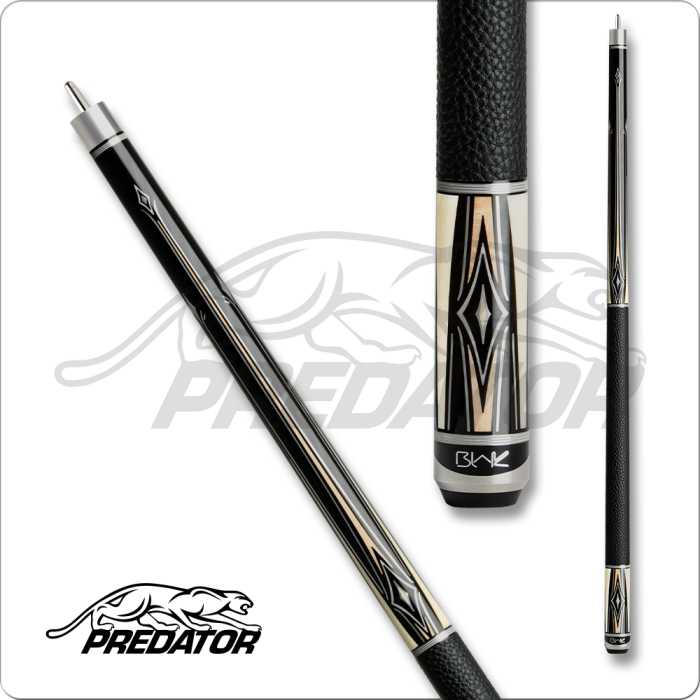
Two players have shaped the 2026 nineball conversation more than any others, and they sit one ranking spot apart for a reason. Fedor Gorst is the World No. 1 with a record that already looks like a hall of fame plaque, and Joshua Filler is the closest thing modern pool has to a permanent threat, having lifted titles on every major surface the sport puts in front of him. The pair has met in finals, in hill-hill knockouts, and across calcuttas that ran past 2 a.m. in three time zones. Heading into the 2026 UK Open Pool Championship in Brentwood from May 26 to 31, the rivalry frames almost every storyline worth watching.
The 2026 head-to-head so far
The two collided early at the 2026 Roobet European Open Pool Championship in Sarajevo this March. Filler arrived as defending champion and walked through the bracket. Gorst opened with a 9-0 destruction of Mirnes Mujic that finished inside 39 minutes, then ran into a string of late upsets that put Filler back on the trophy in front of his closest rivals. Two months later, both showed up at the 2026 Predator Luxembourg Open Euro Tour stop. Filler swept the men’s side in 9-5 over Wojciech Szewczyk for his 11th Euro Tour crown, with Pia Filler taking the women’s side the same day. Gorst was not in the Luxembourg field. The result narrowed the points race but did not settle the form question.
Between those events sat the TAOM Arena Open in Kuala Lumpur from May 14 to 18, where both players were seeded inside the top eight. Carlo Biado entered as the higher-profile local favorite, with Gorst seeded first and Filler seeded seventh. The Asian-leg result feeds directly into how each man arrives at Brentwood next week.
Why the styles make the rivalry watchable
Gorst plays with a calm, almost slow tempo. He cues low through the ball, prefers tight position over hero shots, and reads safeties faster than almost anyone on tour. His stroke looks unhurried even when the table is open. The shaft is a low-deflection Predator REVO with a thin tip diameter, and the butt is a Predator BLAK series or a P3 platform tuned for balance forward. The setup rewards precision over power.
Filler plays bigger. He breaks harder than anyone in the top ten, takes more risks on long shots, and stays aggressive on his second shot of the rack. His cue lineage runs through Pechauer, and his preferred build pairs a traditional Pechauer butt with a slightly fatter shaft profile than what Gorst uses. The result is a thicker hit and more cue ball action through the rack, which suits a player who likes the cue ball going several rails. Cues like the Pechauer JP25R20 Pro Series and the Pechauer JP21G share the geometry an aggressive nineball player would gravitate toward.
What each player has actually changed in the modern game
Gorst made low-deflection carbon shafts a baseline expectation at the top level. Before his rise, pros were still split between traditional maple and the first generation of low-squirt shafts. After a few seasons of Gorst hitting the same six-foot follow shots through traffic that older pros refused, the upgrade conversation tipped permanently. The Predator Revo Radial carbon fiber shaft and the Unilock variant filtered into amateur leagues largely on the back of his results. The whole carbon shaft category, including direct competitors, owes part of its growth curve to that adoption pattern.
Filler reset what young pros think is possible on the break. His ability to make a ball, control the cue ball, and read the spread quickly turned the break from a coin flip into a measurable edge. Watch any junior camp in Europe today and you will see kids working on break stance, weight distribution, and tip selection in ways that were rare ten years ago. Both players, in different ways, professionalized parts of the game that used to be left to feel.
What to watch when they meet in Brentwood
The 2026 UK Open Pool Championship draws 256 players from more than 50 countries into the Brentwood Centre for a $225,000 prize fund. The top seeded line includes defending champion Aloysius Yapp, Gorst, Filler, and former winners Eklent Kaci and Robbie Capito. The bracket structure pushes the highest seeds onto opposite sides, which means a Gorst vs Filler meeting would come in the semifinals or final.
If they do meet on the TV table, three patterns usually decide the match. First, who plays the better push out after the break. Filler will tend to commit to a slightly tougher follow-up, while Gorst will tend to push to a position he is confident he can return from safely. Second, who reads the kick maps faster on the first cluster. Both men are elite kickers, but Filler tends to fire while Gorst tends to wait one extra rack. Third, what the cue ball does on the breakers neither player wants to break. Watch which one accepts a dry break with the cue ball stuck under the head string and grinds the rack out anyway.
What this rivalry means for amateur players
If you are an APA or BCA league player watching Gorst vs Filler footage to steal something for your own game, pick one lane and commit. Trying to mix Gorst’s slow tempo with Filler’s aggressive selection will produce a half-step that feels worse than either. A Gorst-style game wants a tighter, lower-deflection cue ball pattern and a cue built around stability. A Filler-style game wants a stiffer hit, a wrap or grip that lets you swing freely on the break, and a willingness to run patterns that include one shot you have to commit to.
For the Gorst lane, a low-deflection carbon shaft on a balance-forward butt is a sensible match. The Mezz ZZEC9B is a Japanese-built example of the same design philosophy, and the Cuetec Cynergy CT110NW Truewood offers a similar feel at a different price tier. For the Filler lane, a Pechauer with a slightly thicker shaft profile, or a Predator P3 set up with a fatter tip diameter, will give you more cue ball action through the rack.
The wider rivalry impact on tour culture
Beyond results, the Gorst-Filler era has changed how players prepare, how sponsors invest, and how new fans enter the sport. Match camera angles improved because both players draw enough audience to make production budgets worthwhile. Practice habits at the elite level shifted toward longer table-time and structured drill sessions, because beating either one of them requires a higher floor on every shot, not a higher ceiling on a few. Junior development programs in Germany, Russia, and the United States now point to Gorst and Filler the way snooker programs once pointed to Hendry and O’Sullivan, which is changing the next generation of players before they ever pick a cue brand.
The financial side matters too. Sponsorship deals at the top of nineball used to look like courtesy contracts. Now both players have multi-year equipment deals with real product development input, which is why the cues they actually use are buildable at retail. The Predator BLAK and P3 lines on the Predator side, and the Pechauer JP-series Pro builds on the Filler side, exist in their current form partly because both players pushed for builds they would actually play. A buyer in 2026 is not chasing a marketing ghost. The cues are real, the spec sheets match the tour cue, and the choice you make on the cue rack mirrors the choice the pros made in the build room.
Why the calendar makes this the right moment
The 2026 schedule is loaded. UK Open in May, the European Open already in the books, the Mosconi Cup ranking race tightening every event, the World Pool Masters and the World Pool Championship still ahead. The Gorst-Filler matchup is the through line connecting every chapter, and the gap between them at the top of the World Nineball Tour rankings is small enough that one good event in Brentwood can flip the conversation either way. The product choices a player makes around these two camps, whether that is a Predator BLAK off the Predator Cues category or a working Pechauer off the Pechauer Cues page, mirror the same fork the pros are standing at.
If you want the full lineup of pro-tier cues, the Quarter King pool cues collection spans every brand discussed above, from Predator and Pechauer to Mezz, Cuetec, and McDermott. Whichever side of the Gorst-Filler split fits your eye, the equipment ladder mirrors the rivalry. Pick the camp that matches how you actually play, not how you wish you played, and the cue under your hand will quietly do its job.

About Corey Bernstein
Corey Bernstein is a competitive pool player, billiards equipment specialist, and co-owner of Quarter King Billiards in Wilmington, North Carolina. With over a decade of experience in the sport, Corey has competed in regional APA and BCA sanctioned tournaments and maintains an intimate knowledge of cue construction, shaft technology, and table mechanics. As a certified dealer for brands including Predator, McDermott, Jacoby, Viking, Lucasi, Meucci, Joss, and Cuetec, Corey personally tests and evaluates every cue that comes through the shop. His hands-on approach to the business means he has racked thousands of hours behind the table — breaking in shafts, comparing tip compounds, and dialing in the nuances that separate a good cue from a great one. When he is not behind the counter or on the table, Corey is researching the latest advances in low-deflection technology, carbon fiber shaft construction, and cue ball physics. His articles on Quarter King Billiards combine real-world playing experience with deep product knowledge to help players at every level find the right equipment for their game.