 844 408 3056

 Hot Deal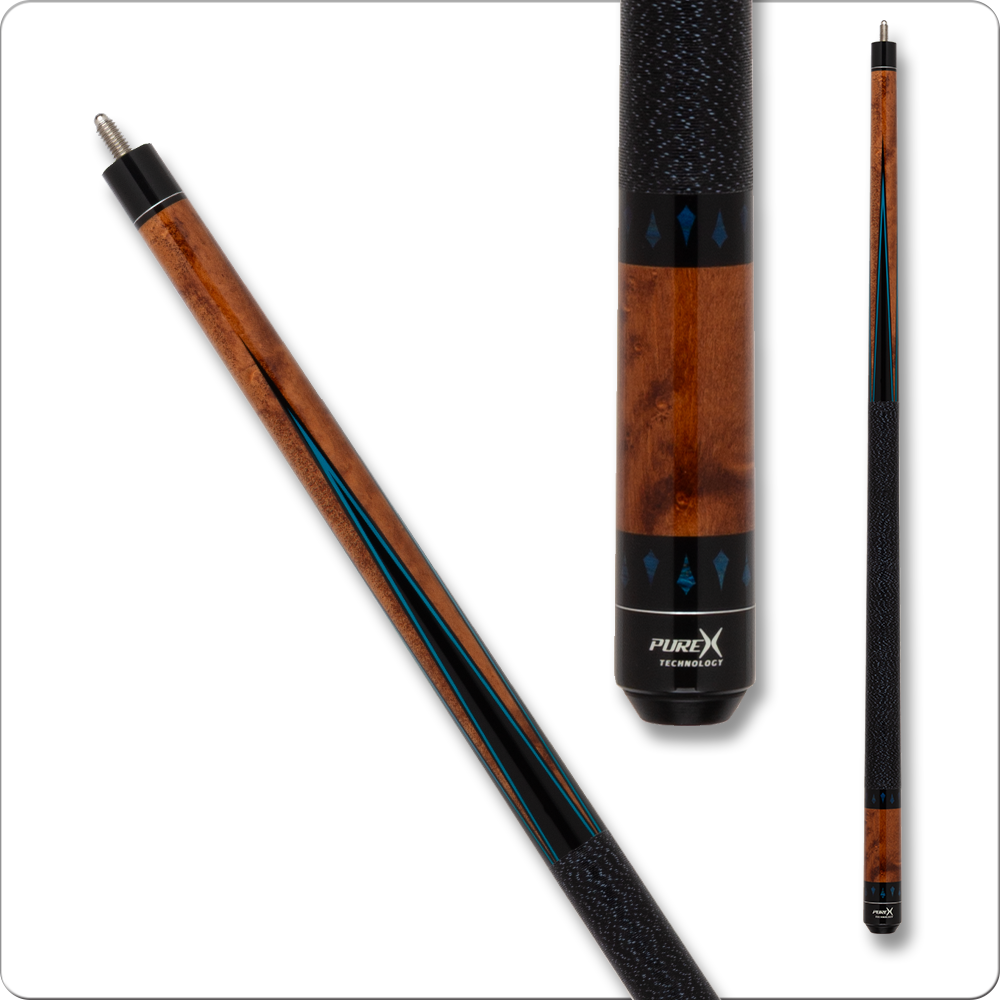
Draw is the shot that turns an average player into someone who runs racks. Pulling the cue ball straight back after contact opens up position that would otherwise be impossible, and it is the single most requested skill from players who feel stuck at their current level. The good news is that draw is a mechanical skill, not a gift. Once you understand what actually creates backspin and remove the habits that kill it, the shot becomes repeatable.
What backspin really is
When you strike the cue ball below its center, you put reverse rotation on it. If that spin is still active when the cue ball reaches the object ball, the ball grabs the cloth after contact and rolls backward toward you. The whole game is getting real spin on the ball and keeping it alive across the distance of the shot. Most missed draw shots are not a mystery. Either the player never created enough spin, or the spin died before it reached the target.
Tip position: lower than you think, but not too low
Aim your tip about one and a half tip widths below center. That is enough to generate strong backspin without risking a miscue at the very bottom of the ball. Chasing the extreme bottom edge is where most players go wrong, because a miscue there sends the cue ball skidding and often flying off the table. Consistent draw comes from a clean hit at a sensible low point, delivered with a smooth accelerating stroke.
Grip on that low hit depends heavily on chalk. A draw shot loads the very edge of your tip, which is exactly where a poorly chalked cue slips. Quality chalk that coats evenly buys you a wider margin before a miscue. A block like the Predator Pure Chalk grips well on off-center hits, and you can compare options in the chalk category to find one that suits your tip.
Stroke, not muscle
The most common draw mistake is stabbing at the ball. Backspin comes from acceleration through the cue ball, not from a hard, short jab. Think of the shot as a smooth pull where your tip accelerates to its fastest point right as it reaches the ball, then follows through several inches past where the ball used to sit. A loose grip lets the cue swing freely. A tight, tense grip shortens the stroke and kills spin before it starts.
Keep your cue as level as your table allows. Elevating the back of the cue turns draw into a jump-and-scoop motion that produces unpredictable results. A level cue delivers the spin cleanly and lets the cue ball slide before the backspin takes over. This single adjustment fixes more draw problems than any other tip.
The equipment factor
Backspin transfers more predictably through a shaft that does not throw the cue ball offline. Older thick maple shafts flex and add deflection, which forces you to fight the cue on any hit away from center, including draw. A low-deflection shaft keeps your aim honest so the only variable left is your stroke. Cues built around modern low-deflection technology, like the Players HXT30 with its HXT low-deflection shaft, make the learning curve shorter because the ball simply goes where you point it.
If you want to push deflection even lower, a carbon fiber shaft is the current standard for spin control. The Rhino carbon fiber shaft is an affordable way to add that technology to a cue you already own with a Uni-loc joint. Whatever you play with, browse the full pool cues collection to find a shaft taper and tip that reward a clean low hit.
A practice ladder that works
Start close. Place the object ball one diamond from a pocket and the cue ball one foot behind it, dead straight. Pot the ball and try to draw the cue ball straight back to your tip. When you can do that five times in a row, move the cue ball back six inches and repeat. The goal is to feel how much more stroke you need to keep the spin alive as the distance grows. Draw over a long distance is not a different shot, it is the same shot with more acceleration and cleaner contact.
Practicing with a dedicated cue ball helps because a worn or dirty ball behaves inconsistently, which makes it impossible to know whether the ball or your stroke is at fault. A clean, regulation ball like the Action Standard Cue Ball gives you honest feedback on every attempt.
Stun and follow: the same family of shots
Draw does not live alone. It sits at one end of a range that runs through stun in the middle and follow at the top, and understanding all three makes each one easier. A stun shot strikes at or just below center so the cue ball stops on contact with no forward or backward roll, which is the most useful position tool in the game. Follow strikes above center and sends the cue ball forward after contact. Once you feel how tip height changes the outcome, draw stops feeling like a trick and starts feeling like one option on a dial you control.
Practice the whole range in one session. Hit the same straight shot with a follow, then a stun, then a draw, and watch how the cue ball responds. Training the extremes and the middle together builds a feel for exactly how low you need to go for the amount of draw a shot actually calls for, which stops you from over-hitting and losing control.
Common draw mistakes to fix fast
Three errors account for most draw failures. The first is dropping the elbow early, which lifts the tip and turns your draw into a stun. Keep your grip hand swinging freely and let the follow-through finish low. The second is gripping too tightly, which shortens the stroke exactly when you need length. The third is rushing, where players jab at the ball to force spin instead of accelerating smoothly through it. Slow your backswing down, pause slightly at the back, and let the forward stroke build speed on its own.
Film yourself from the side with a phone if you can. Seeing your own cue elevation and follow-through is often the fastest way to spot which of these three habits is stealing your backspin.
Reading the table for draw
New cloth and clean balls hold backspin far longer than an old, dirty table. On a slick tournament table you may need less draw than you expect, while a worn bar table eats spin quickly and demands a firmer stroke. Part of mastering draw is calibrating to the conditions in front of you during warm ups, not assuming the shot will behave the same everywhere you play.
When to use it and when not to
Draw is a tool, not a default. Reach for it when you need to bring the cue ball back toward the bottom rail for your next shot, or to avoid running into another ball. When a simple stun or follow will leave the same shape, take the easier option. The best players use the least spin required to get the job done, because every bit of extra English is another thing that can go wrong. Learn to draw well, then learn to only use it when it earns its keep.
Give the ladder drill fifteen focused minutes a day for two weeks and you will feel the shot become reliable. Pair that practice with chalk that grips and a shaft that keeps your aim true, and draw stops being the shot you hope for and becomes the shot you count on.

About Corey Bernstein
Corey Bernstein is a competitive pool player, billiards equipment specialist, and co-owner of Quarter King Billiards in Wilmington, North Carolina. With over a decade of experience in the sport, Corey has competed in regional APA and BCA sanctioned tournaments and maintains an intimate knowledge of cue construction, shaft technology, and table mechanics. As a certified dealer for brands including Predator, McDermott, Jacoby, Viking, Lucasi, Meucci, Joss, and Cuetec, Corey personally tests and evaluates every cue that comes through the shop. His hands-on approach to the business means he has racked thousands of hours behind the table — breaking in shafts, comparing tip compounds, and dialing in the nuances that separate a good cue from a great one. When he is not behind the counter or on the table, Corey is researching the latest advances in low-deflection technology, carbon fiber shaft construction, and cue ball physics. His articles on Quarter King Billiards combine real-world playing experience with deep product knowledge to help players at every level find the right equipment for their game.