 844 408 3056

 Hot Deal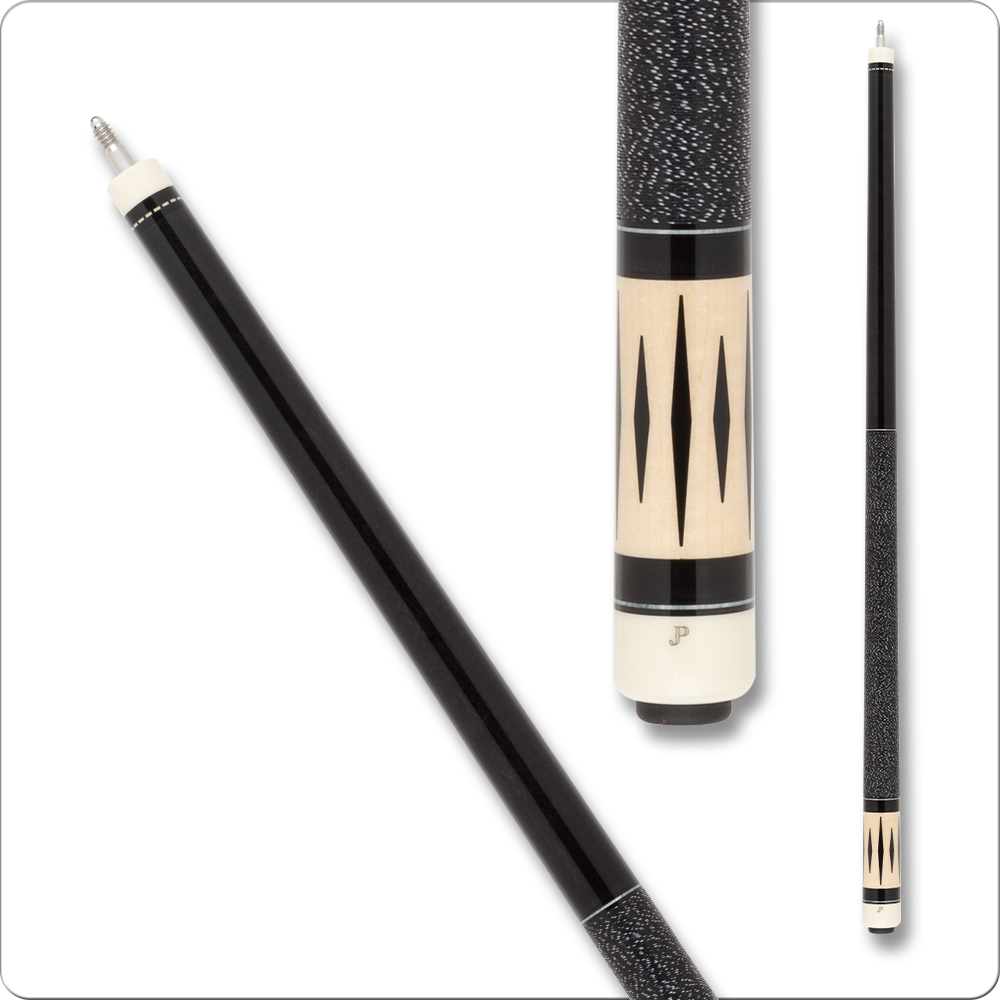
Jeffrey Ignacio finished the 2026 TAOM Arena Open in Kuala Lumpur with one of the most one-sided finals the Filipino contingent has ever produced on the World Nineball Tour. Across six rounds at Arena Billiards Club he dropped exactly one set and closed the title match 13 to 1 over fellow countryman Sean Mark Malayan, walking away with the USD 10,000 first prize and a fistful of WNT ranking points that will reshape his seed picture heading into the UK Open at Brentwood next week. For Filipino fans the storyline is layered. Two of their players reached the final on a field that included Liu Ri Teng, Irsal Nasution, James Aranas, Jeffrey De Luna, and AJ Manas. The cue work that carried Ignacio through was the school of pool that Efren Reyes, Francisco Bustamante, and Carlo Biado have been refining for forty years, and it offers a clean window into why traditional Pinoy gear still sells out at Quarter King every week.
How Ignacio Got to 13 to 1
Ignacio opened in a hill to hill scare against Oliver Villafuerte, winning 9 to 8 in a race that swung on a single 9 ball turn. From there the bracket flattened. He took out John Vincent Vicedo 9 to 3, Lo Ho Sum 10 to 6, Ponco Klinton Manurung 10 to 3 in the quarterfinals, then handled Liu Ri Teng 11 to 7 in the semifinal after Liu had eliminated three Filipinos on his side of the draw. The final against Malayan turned on a single safety battle in the third rack. Ignacio sold a thin shot on the 4 ball, Malayan over cut his return, and the resulting ball in hand gave Ignacio the run he needed to break first the rest of the night. Once a Filipino school player gets the breaks, the racks come in clusters, and Ignacio reeled off ten in a row before Malayan finally won a rack to make it 13 to 1.
Malayan deserves the runner up purse of USD 4,500. He worked through Michael Baoanan, Lu Hui Chan, Tan Den Jie, Jeffrey De Luna, and Irsal Nasution before the final, all of them dangerous in any other bracket. The 1 in the final is misleading. He played the right shot four or five times and lost the rack to a rail or a kiss, which is how a hot opponent looks when nothing breaks for you.
Why This Win Matters Heading Into Brentwood
The 2026 UK Open Pool Championship runs 26 through 31 May at the Brentwood Centre in Essex with a 256 player field and a USD 225,000 prize fund. Aloysius Yapp is the defending champion. Fedor Gorst, Joshua Filler, Eklent Kaci, and Robbie Capito will all be there, and so will Carlo Biado. Ignacio just earned a major confidence stamp and meaningful seed momentum a single week before that field locks in. The Filipino school does not have to beat Gorst on raw speed, but in a 256 player race format with short races early, a player who runs out cleanly off the break with controlled cue ball is dangerous to anyone. Ignacio fits that description.
The Filipino School in 2026: Patience, Cue Ball Control, and the Stroke That Makes It Work
The Filipino school has three signatures: a short and quiet stroke that meters speed by feel rather than by big back arms, a strong preference for natural rolling shape over forced reverse English, and a willingness to play safe early in the rack to inherit better breaks later. Those three habits ride on top of a specific equipment profile that has barely changed since the 1990s. The cue is medium weight, usually 18 to 19 ounces. The hit is firm but not bright. The shaft is solid maple or a low deflection composite tuned to feel like maple at the tip. Pinoy school players want feedback through the bridge hand, not a dead carbon thump that hides spin.
The classic mid grade Pinoy school cue in this shop is the Pechauer JP02S S Series with Irish linen wrap and the Pechauer Speed Joint. Pechauer has been a workhorse Filipino school brand for two decades because the Speed Joint is a short multi start pin that seats in two or three turns yet hits with the steady note of a wood to wood pairing. The Irish linen wrap absorbs hand moisture without going slick, which matters in Asian halls in summer. The S Series sits squarely in the price band most Filipino professionals actually buy at retail.
Players who prefer a slightly louder hit and a livelier ferrule tend to pick up the Mezz Avant ZZAVN with the Sigma low deflection shaft. Mezz is the second great Pinoy school brand because the Sigma shaft delivers low deflection with a tip feel that still carries information back to the hand. The Avant body is a touch firmer than the Pechauer S, which suits aggressive players who want to dictate position with short follow rather than long draw.
Where Carbon Fiber Fits the Filipino Approach
One thing the modern Filipino school does differently than the 1990s version is reach for low deflection more often, especially on long inside English shots. Ignacio and Biado both run carbon shafts at certain tournaments, usually the Predator Revo Carbon Fiber Shaft in radial pin, because the squirt suppression flattens the aim adjustment they have to make for English that swings the cue ball against the natural roll. The catch is that a carbon shaft on a cue built around a wood hit will sound and feel slightly different to a Filipino school stroke, and most Pinoy professionals will tell you they prefer to keep their primary cue in a configuration close to what they grew up on, and carry a carbon as a secondary for specific shots.
The full carbon fiber shaft category at Quarter King carries every option that fits the Filipino school cue without changing its joint pattern. Predator Revo lives in radial and Uni Loc, Cuetec Cynergy in Uni Loc, Jacoby Black V4 in radial, and several lower deflection options from Bull Carbon for players who want the low squirt benefit at a sub four hundred dollar entry point.
What Filipino School Players Almost Never Use
It is worth saying what is missing from the Pinoy professional bag. You will rarely see a Filipino professional with a heavy 21 ounce sneaky pete cue or an extremely stiff snooker style stroke. The school is light and quiet. You will rarely see a hard tip, because hard tips reduce feedback and the Filipino school depends on tip feel for fine speed control. Most Pinoy professionals run a medium layered tip in the Kamui Black, Tiger Onyx, or Predator Victory medium range, paired with a firm but not stainless ferrule. The cue at that point is doing what the player wants it to do, which is transmit information without adding character of its own.
What to Buy if You Want to Learn the Filipino School
The honest path is to copy the gear and then learn the stroke. Start with one cue in the 17 to 18 ounce range with an Irish linen wrap and either a Pechauer Speed Joint or a Uni Loc compatible body. The Pechauer JP02S at the entry level and the Mezz Avant ZZAVN at the next price band are both correct buys. Add a layered medium tip if it does not come with one. Spend the next sixty days running long rail follow stop shots from one end of the table to the other until you can land the cue ball in a paper plate, then a foot square, then a six inch square. The Filipino school is feel based, and feel comes from repetition with one cue. If you swap cues every two weeks, you will plateau.
For full brand context, the Pechauer cue lineup covers Speed Joint cues across price bands from the S Series through the JP and limited JPLE families. The Mezz cue lineup covers the Avant, CP 21, and Power Break ranges. Both are stocked in 18 and 19 ounce weights, both ship with low deflection shafts as standard, and both are the cues you will see in the hands of Filipino professionals at Brentwood next week. The starting point is the Pool Cues parent category if you want to compare the Filipino school favorites against everything else the shop carries.
Closing Thought
Ignacio at 13 to 1 is not the most important number from Kuala Lumpur. The important number is the streak of ten racks he ran inside a championship match, on demand, in front of a crowd, against a player who had just put 11 on Irsal Nasution. That is the Filipino school working. Quiet stroke, natural roll, feel based speed, and a cue built around feedback rather than novelty. The same recipe will be on display next week in Essex, and there is nothing complicated about copying it at home.

About Corey Bernstein
Corey Bernstein is a competitive pool player, billiards equipment specialist, and co-owner of Quarter King Billiards in Wilmington, North Carolina. With over a decade of experience in the sport, Corey has competed in regional APA and BCA sanctioned tournaments and maintains an intimate knowledge of cue construction, shaft technology, and table mechanics. As a certified dealer for brands including Predator, McDermott, Jacoby, Viking, Lucasi, Meucci, Joss, and Cuetec, Corey personally tests and evaluates every cue that comes through the shop. His hands-on approach to the business means he has racked thousands of hours behind the table — breaking in shafts, comparing tip compounds, and dialing in the nuances that separate a good cue from a great one. When he is not behind the counter or on the table, Corey is researching the latest advances in low-deflection technology, carbon fiber shaft construction, and cue ball physics. His articles on Quarter King Billiards combine real-world playing experience with deep product knowledge to help players at every level find the right equipment for their game.