 844 408 3056

 Hot Deal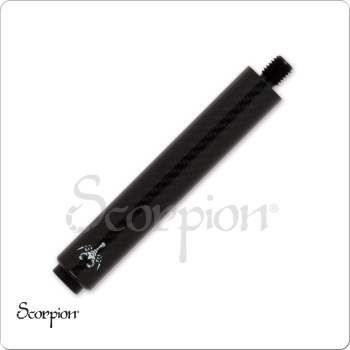
A cue extension is the cheapest piece of equipment in the cue case that nobody talks about until they need it. Three inches of aluminum or carbon fiber that screw onto the back of your cue and turn the worst bridge shot of the night into a normal stroke. The price range is fifty dollars to two hundred dollars depending on the brand, the geometry, and whether the build is a butt extension, a joint extension, or a forward-weighted extension that doubles as a balance adjuster.
The problem is that the cue extension category looks identical at first glance. Most rear extensions are six to eight inches of dark anodized aluminum with a knurled grip and a Uni-Loc style thread. The differences live in the weight, the joint compatibility, and whether the extension is designed to stay on for the whole session or to pop on and off mid-rack. Picking the right one is a function of how often you reach for the bridge, what your home table size is, and which brand your playing cue uses for its butt cap thread.
Why Extensions Exist and When They Replace the Bridge
The bridge is the worst piece of cue sports equipment ever invented. The cue ball does not care that the bridge was the only way to reach a far ball, and the bridge introduces a vertical contact point that fights every part of a normal stroke. A cue extension removes the need for a bridge on any shot where the cue ball is within reach of an extended arm, which on most tables covers everything except the rare two-rail away frozen ball situation.
The rule of thumb for tournament players is that a six inch extension covers ninety percent of bridge-replacement situations on a nine foot table, an eight inch extension covers ninety eight percent, and a twelve inch extension is overkill for everything except trick shot rooms and oversized snooker tables. On an eight foot home table, a three inch extension is enough to cover every bridge shot if the player has a normal arm length.
The mistake amateur players make is buying a single short extension and leaving it in the case until they reach for the bridge first by reflex. The discipline is to install the extension as soon as the cue ball lands inside two diamonds of the rail closest to your shooting position and leave it on until the next break. The penalty for forgetting to take it off is zero, since the extension is balanced to match the cue.
Butt Extensions Versus Joint Extensions
The two main extension types are butt extensions, which thread onto the bumper end of the cue, and joint extensions, which thread between the shaft and the butt at the cue’s main joint. Butt extensions are the standard format. They are easier to install, easier to remove, and do not interrupt the shaft to butt connection that the cue was tuned around.
Joint extensions are a niche solution that adds length without changing the rear balance. The McDermott EXTFMCD Forward Extension is the production reference for the joint extension format. It adds three inches between the shaft and the butt and moves the balance point slightly forward of where the cue normally sits. The forward extension hit feels slightly tip-heavy compared to a rear extension on the same cue, which some players prefer for stop shots and short draw strokes.
For most players the butt extension is the simpler answer. The rest of this guide focuses on rear extensions, which are the format the major brands build the deepest catalog around.
The Brand Map for Rear Cue Extensions
The rear extension market splits into three tiers. The entry tier is sixty to eighty dollars and covers most house brand extensions that thread into a generic Uni-Loc style butt cap. The middle tier is eighty to one hundred fifty dollars and covers brand-matched extensions that ship with the same finish and joint geometry as the playing cue. The premium tier is one fifty to two hundred dollars and covers carbon fiber or matched custom cue extensions that are visually indistinguishable from the cue they extend.
For Predator players, the Cuetec Cynergy Smart Rear Extension at sixty dollars is the entry point and works with any Uni-Loc style butt cap that matches the Predator pattern. Cuetec ships three Cynergy Smart variants, all at the same sixty dollar price, with slightly different finish colors to match the Cynergy cue lineup. The Cynergy Smart is the bargain of the category if your playing cue uses the Uni-Loc family thread.
For McDermott players, the McDermott EXTRMCD Rear Extension at one hundred dollars matches the McDermott Lucky and i-Series butt cap exactly and ships with the same anodized black finish as the McDermott production cues. The EXTRMCD is the right call for players running a McDermott playing cue, a Lucasi playing cue, or any cue that ships with the McDermott style butt cap.
For Mezz, Balabushka, and the Asian-market brands, the Mezz EXTRZZ Rear Extension at one hundred ninety dollars is the matched-brand option. The Mezz EXTRZZ uses the Mezz United Joint pattern, which matches the United Joint shafts that Mezz ships across the Hybrid Pro 2 and Capella lines. The Balabushka EXTRGB Rear Extension at one eighty five fills the same role for Balabushka and George Balabushka tribute cues.
For Jacoby players, the Jacoby 8 inch Quick Release Black Butt Extension at two hundred dollars is the production reference. The Quick Release thread engages with a half turn instead of a full threaded screw, which is a real time saver in tournament play where every second between racks matters. The Jacoby Quick Release fits Jacoby cues with the matching butt cap and any cue that ships with a 3/8 by 10 threaded butt cap.
The Carbon Fiber Option for Players Who Add Weight Carefully
Carbon fiber extensions are the newest format in the category. The carbon construction keeps the extension light, which matters for players who already prefer a lighter playing cue and do not want the extension to shift the balance point rearward. The Scorpion EXTRSCO 7 inch Carbon Fiber Rear Extension at seventy nine dollars is the entry point and pairs with the Scorpion Grave Digger and SK lines.
The hidden advantage of a carbon fiber extension is feel. Aluminum extensions transmit vibration into the grip hand the same way the butt cap does, but carbon fiber damps the high frequency component of that vibration, which makes the extension feel more like a continuation of the cue. Players who notice cue feel in the back hand will notice the carbon fiber difference. Players who grip the cue tightly will not.
Forward Weighted Extensions and the Balance Question
Most extensions add weight to the rear of the cue, which moves the balance point back. That suits players who play with a tip-heavy build and want the extension to neutralize the balance. It does not suit players who already play with a rear-balanced cue and want the extension to maintain the same balance point.
The Balance Rite EXTRBR Rear Extension at seventy seven dollars solves the second problem. Balance Rite builds with the weight slightly forward of the centerline, so the extension adds length without significantly shifting the balance point. For Lucasi, Predator, and Cuetec players who already run their butt weight at the low end of the recommended range, the Balance Rite is the smart pick.
The Cuetec EXTRCA DUO Rear Extension at one ten splits the difference. The DUO is a two part extension that lets the player choose between a short rear add or a full length add by removing or installing the second segment. The DUO is the most flexible single extension in the catalog for players who want one product to cover both home table and tournament table needs.
Quick Recommendations by Player Type
League player on a budget who plays Predator, Cuetec, or any Uni-Loc compatible cue: the Cuetec Cynergy Smart at sixty dollars is the right answer. League player who plays McDermott or Lucasi: the McDermott EXTRMCD at one hundred. Tournament player who plays Jacoby: the Jacoby Quick Release at two hundred. Tournament player who plays Mezz: the Mezz EXTRZZ at one ninety. Tournament player who wants the lightest possible feel: the Scorpion carbon fiber at seventy nine.
Whichever extension lands in the back pocket of the cue case, the rule is the same. Install it the moment the cue ball lands inside two diamonds of the near rail and leave it on until the next break. Browse the full lineup in the cue extensions catalog or the broader accessories section for chalk, gloves, ball racks, and the other small parts that round out a serious case.

About Corey Bernstein
Corey Bernstein is a competitive pool player, billiards equipment specialist, and co-owner of Quarter King Billiards in Wilmington, North Carolina. With over a decade of experience in the sport, Corey has competed in regional APA and BCA sanctioned tournaments and maintains an intimate knowledge of cue construction, shaft technology, and table mechanics. As a certified dealer for brands including Predator, McDermott, Jacoby, Viking, Lucasi, Meucci, Joss, and Cuetec, Corey personally tests and evaluates every cue that comes through the shop. His hands-on approach to the business means he has racked thousands of hours behind the table — breaking in shafts, comparing tip compounds, and dialing in the nuances that separate a good cue from a great one. When he is not behind the counter or on the table, Corey is researching the latest advances in low-deflection technology, carbon fiber shaft construction, and cue ball physics. His articles on Quarter King Billiards combine real-world playing experience with deep product knowledge to help players at every level find the right equipment for their game.