 844 408 3056

 Hot Deal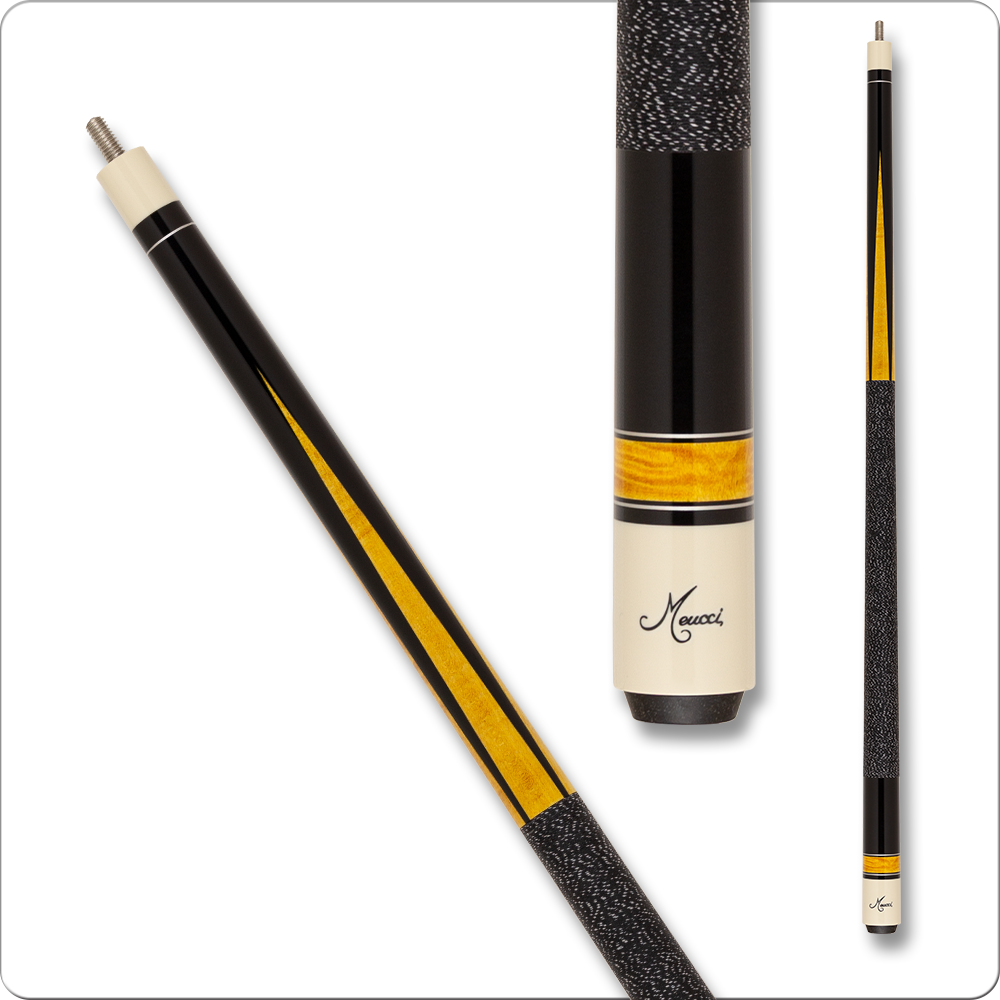
Two stroke styles dominate professional pool. The pendulum stroke keeps the elbow fixed and lets the forearm swing like a clock pendulum, with the cue tip traveling on a small arc that crosses through cue ball center at impact. The piston stroke drops the elbow on the forward delivery so the cue tip moves on a straight horizontal line for longer. Both styles win majors. Both styles also produce the most common amateur mistake on the table, which is the cue tip arriving slightly off the line the player thought they were on.
The stroke choice is not academic. It changes how a tip moves through the cue ball, how much sidespin a stroke imparts at the same effort level, and how forgiving the shot is when fundamentals start to slip late in a session. Picking the right one for your body and your home table is the single biggest equipment-adjacent decision a serious amateur will make.
The Pendulum Stroke in Plain Mechanics
A pendulum stroke holds the elbow at a fixed point above the table. The upper arm does not move. The forearm rotates around the elbow like a swinging gate, and the cue tip travels on a circular arc with the elbow as the center point. The arc is small in the impact zone, which is why the pendulum looks straight to the eye and why generations of coaches have called it the simplest stroke to teach.
Players who use a pure pendulum include Niels Feijen, Allison Fisher, and most snooker-trained converts who arrived at pool through cue sports with table heights that reward a fixed elbow. The pendulum produces a predictable tip path because there is only one moving joint, and the variability in any human stroke comes mostly from how many joints are moving. Fewer joints, fewer ways to miss.
The trade-off is power. A pendulum stroke is capped at the rotation speed your forearm can deliver, and for break shots and long power draws, that ceiling shows. Pendulum players who need a hard break almost always switch stroke style on the break and let the elbow drop slightly to add tip speed at impact.
The Piston Stroke and What the Elbow Drop Actually Buys
A piston stroke lets the elbow descend during the forward delivery. The forearm still rotates, but the elbow translates downward at the same time, which extends the straight-line portion of the tip path through impact. Earl Strickland is the textbook image of a piston stroke. Shane Van Boening drops his elbow on every shot above a half-table rolling speed. Joshua Filler is a piston stroker on power shots and a pendulum stroker on touch shots.
The piston buys you two things. The first is tip speed. Dropping the elbow during delivery acts like a second linkage in the swing, adding angular velocity at the tip without forcing the wrist to whip. The second is a longer flat zone through impact, which means the tip stays at cue ball center for a slightly longer window if the alignment was correct in the first place.
The trade-off is the alignment requirement. Piston strokes have more moving parts, and any sloppiness in the elbow drop direction shows up as steering at the tip. Most amateurs who try to copy Van Boening drop their elbow at an angle rather than straight down, and the cue tip pulls left or right of center on the follow-through. The result is unintentional sidespin and missed pots that look like aim mistakes but are actually stroke mistakes.
How to Tell Which Stroke You Are Actually Using
Set up a long straight shot, cue ball on the head spot, object ball on the foot spot, side pocket as the target. Shoot ten of these at firm rolling speed and watch the cue ball after contact. If the cue ball returns straight back along the line of the shot every time, you have a square stroke. If the cue ball drifts left or right consistently, you are imparting sidespin without meaning to, and the stroke is steering.
For a pendulum stroker, drift on this drill almost always means the grip hand is too tight at impact. The fix is mechanical, not equipment. For a piston stroker, drift usually means the elbow is dropping on an angle, and the fix is to film yourself and watch the elbow path from behind. A phone on a tripod at the rear of the shot line is the cheapest stroke coach you will ever hire.
What Stroke Style Means for Your Cue Choice
The cue you play with affects how forgiving each stroke is. A heavier butt with a forward balance point dampens stroke errors and rewards pendulum players who want consistency over raw speed. A lighter butt with a rear balance point lets the wrist and forearm move faster, which suits piston players who need tip speed for power shots.
For pendulum-leaning players who want a forgiving touch cue, the Meucci MEHOF04 Hall of Fame Cue is the production reference. Meucci builds with a slightly forward balance point and a thinner taper that lets the forearm do the work without much wrist motion. The MEHOF04 sits at around 19 ounces with the standard shaft and is a steady touring weight for league players who want to copy a pendulum-style pro.
For piston players who want the elbow-drop hit, the Meucci MEP02 Power Piston Cue is built specifically for the style. The Power Piston line uses a stiffer forearm taper and a rear-weighted butt, which makes elbow drop deliver more tip speed than the same effort on a standard cue. The MEP02 is the entry to that lineup and a recommended first cue for amateurs trying to mimic Van Boening’s hit without spending Throne money.
The middle ground is the Meucci MEJSS Jayson Shaw Cue, which carries Shaw’s signature build and lands between the two extremes. Jayson Shaw uses a hybrid stroke that is closer to a piston than a pendulum but does not commit fully to either, and the MEJSS reflects that with a balance point closer to the joint than the Power Piston line.
Carbon shaft players have a third lever to pull. A low-deflection shaft like the Predator REVO or Cuetec Cynergy reduces the squirt that sidespin produces, which means a stroke that drifts slightly off center will show smaller aim errors than the same stroke on a maple shaft. The Predator family ships its low-deflection technology in every production playing cue, and the Cuetec catalog runs the same play across the Cynergy line. Carbon shafts will not fix a steering stroke, but they will mask its effects on a smaller percentage of shots, which is why so many league players make the carbon switch after their first long session.
The Pre Shot Routine That Locks In Either Stroke
Both stroke styles need the same pre shot routine to deliver consistently. Identify the shot line, plant the bridge hand at the contact point of the shot line, take two or three warmup strokes at the rolling speed you plan to use, pause at the cue ball on the final back swing, and deliver. The pause is the part most amateurs skip. The pause is also the only part of the routine that lets the body lock the elbow in the position it needs to be in for the stroke to repeat.
Pendulum strokers need the pause to confirm the elbow is fixed. Piston strokers need the pause to confirm the elbow is starting from the correct height for the planned drop. Skip the pause and both stroke styles drift toward whichever steering habit your body has fallen into late in the session.
Picking a Stroke Style You Can Repeat for a Decade
The honest answer is that most amateur players are better served by a pendulum stroke. The pendulum has fewer moving parts, repeats more reliably under pressure, and pairs with almost any cue weight without forcing the wrist to compensate. Power loss is a real cost, but most amateur missed shots are alignment mistakes, not power mistakes, and trading raw speed for alignment consistency is a good deal for anyone outside of professional break room speeds.
Piston strokes belong to players who already have a repeatable stroke and want more cue ball action at the same effort. If you are not yet running out three racks in a row on your home table, the elbow drop is going to make the bad shots worse before it makes the good shots better. Get the pendulum repeatable first, then earn the piston.
Whichever style you commit to, the practice drill is the same. Ten long straight shots at the start of every session, watching the cue ball return path. The cue ball never lies about what your stroke just did.

About Corey Bernstein
Corey Bernstein is a competitive pool player, billiards equipment specialist, and co-owner of Quarter King Billiards in Wilmington, North Carolina. With over a decade of experience in the sport, Corey has competed in regional APA and BCA sanctioned tournaments and maintains an intimate knowledge of cue construction, shaft technology, and table mechanics. As a certified dealer for brands including Predator, McDermott, Jacoby, Viking, Lucasi, Meucci, Joss, and Cuetec, Corey personally tests and evaluates every cue that comes through the shop. His hands-on approach to the business means he has racked thousands of hours behind the table — breaking in shafts, comparing tip compounds, and dialing in the nuances that separate a good cue from a great one. When he is not behind the counter or on the table, Corey is researching the latest advances in low-deflection technology, carbon fiber shaft construction, and cue ball physics. His articles on Quarter King Billiards combine real-world playing experience with deep product knowledge to help players at every level find the right equipment for their game.