 844 408 3056

 Hot Deal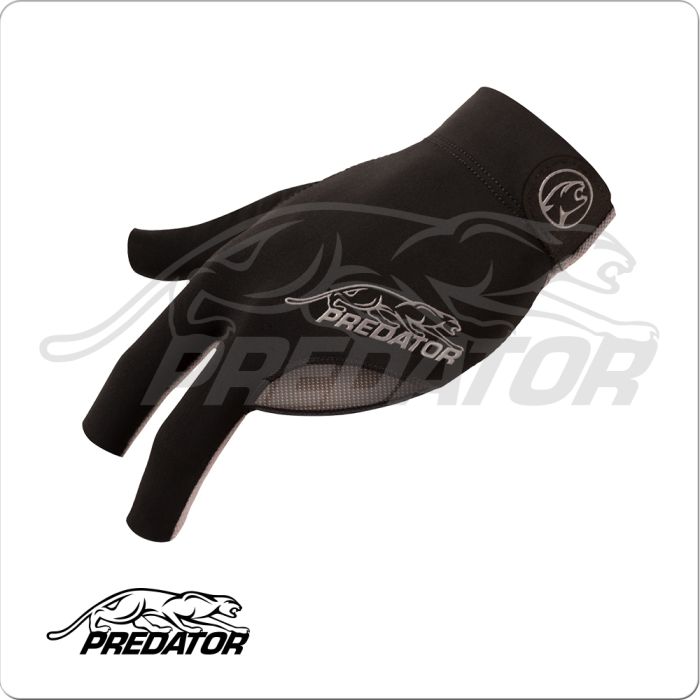
Walk into any serious pool room in July and you will see it. Players reaching for a glove before they reach for chalk. A pool glove is one of the cheapest upgrades in the game, and for a lot of players it fixes a problem they did not even know they had: a stroke that changes depending on how sweaty or dry their bridge hand happens to be that night. Once a player feels a cue slide the same way on a humid summer evening as it does in a cold winter room, they rarely go back to a bare hand.
If you have never used one, here is what a glove actually does, how to pick the right hand, and which options at Quarter King Billiards fit different budgets and grip styles.
What a pool glove actually does
The job of a glove is to give your cue a smooth, consistent surface to slide across on every stroke. Your bridge hand is where the shaft glides, and bare skin is unpredictable. Sweat makes it sticky, dry skin drags, lotion and oils leave residue, and humidity changes everything from one room to the next. A glove removes that variable. The shaft slides the same way every time, which means your stroke speed and follow through stay consistent even when your hands do not.
The second benefit is cleanliness. Skin oil is what gums up a shaft and forces you to clean and burnish it constantly. A glove keeps your hand from ever touching the shaft, so the cue stays slick longer and needs less maintenance. Players who switch often notice their shaft feels fast for weeks instead of needing a wipe down mid match.
There is a focus benefit too. When you are not thinking about whether your hand is too sticky to make a smooth stroke, you have one less distraction at the table. That sounds minor until you are three hours into a tournament and your hands are tired and damp. The glove quietly removes a variable that gets worse exactly when the matches matter most.
Left hand or right hand: getting the right glove
This is the question that trips up first time buyers. A pool glove goes on your bridge hand, which is the hand resting on the table that the cue slides over, not the hand that grips the butt. If you are right handed, you grip with your right hand and bridge with your left, so you want a left hand glove. If you are left handed, you grip with your left and bridge with your right, so you want a right hand glove. Most gloves are sold and labeled by bridge hand for exactly this reason, so read the listing for left or right before you order.
Most designs are fingerless or partial, leaving your thumb, index, and middle finger exposed so you keep full feel for forming your bridge while the gliding surface across the back of the hand and remaining fingers stays smooth. You get the consistency without losing touch.
Fit, material, and how a glove should feel
A glove should fit snug like a second skin, not loose and bunching. A loose glove wrinkles under the shaft and creates the very drag you bought it to avoid. Look for a four way stretch fabric that hugs the hand and moves with you. Breathability matters in summer, since a glove that traps heat gets uncomfortable over a long session. The better gloves use lightweight, ventilated material that stays cool through a full set.
Sizing usually runs small, medium, and large, and the snug ones stretch to fit a range of hands, so when you are between sizes most players are happy sizing down for a tighter glide. A glove will loosen slightly with use, so a fit that feels barely snug out of the package tends to settle in perfectly after a few sessions.
Quarter King Billiards stocks options at every level. The Predator Grey BGLPG Second Skin Glove is a popular choice for its snug, breathable fit and clean look, and the name carries weight with players who already trust Predator shafts. The Kamui BGLKAM Glove brings the same craftsmanship reputation Kamui built with its tips, with a smooth surface players love. For a sharp, modern fit, the Cuetec AXIS Glove in black pairs naturally with a Cuetec setup. And if you just want to try the idea without spending much, the Action BGLAC01 Glove delivers the core benefit for the price of a couple cups of coffee.
See the full selection on the gloves page to match the right hand and size to your game.
Glove versus talc and a bare hand
Plenty of players still slap talc on their bridge hand, and it works for a few shots before it cakes, transfers to the cloth, and makes a mess of the table and the cue ball. Many rooms have banned loose talc for exactly that reason. A glove gives you the same slick glide without dusting powder all over the equipment. It is cleaner for the table, cleaner for your shaft, and it never runs out mid rack. For most players the glove is simply the better tool, and it pays for itself by cutting down on shaft cleaning and chalk hand frustration.
None of this means a glove is mandatory. Some players bridge cleanly with a dry hand and never think about it. But if your stroke feels different from one night to the next, if your shaft grabs in humid weather, or if you are tired of powdering up between racks, a glove is the easiest fix in the game. It is also one of the few upgrades that helps a beginner and a seasoned player for exactly the same reason: consistency.
When a glove is not the answer
It is worth being honest about the limits. A glove fixes friction and consistency, but it will not fix a flawed bridge, a tense grip, or a stroke that wanders. If your real problem is a bridge that collapses or a grip that squeezes on the hit, a glove just makes a shaky stroke slide more smoothly. Build the fundamentals first, then add the glove to lock in the consistency. Used that way, it is an upgrade that makes a sound stroke more repeatable rather than a crutch that hides a weak one.
Making a glove last
A pool glove is inexpensive, but a little care stretches its life. Sweat and chalk are what break a glove down over time, so let it air dry between sessions instead of stuffing it damp into your case. When it needs cleaning, a gentle hand wash and air dry keeps the four way stretch fabric from stiffening up. Avoid wringing it hard or tossing it in a hot dryer, since heat is what kills the snug stretch that made the glove work in the first place. Treated well, a quality glove will outlast several tips and stay smooth for a long time.
Keep a spare in your case once you settle on a brand and size. Gloves are the kind of accessory that vanishes exactly when you need it, left on a rail or dropped in a parking lot, and a backup means a lost glove never costs you a match. Players who run leagues and tournaments back to back often keep two in rotation so one is always clean and dry while the other airs out.
Where to start
Pick your bridge hand, choose a snug size, and try a glove for a few sessions before you judge it. Most players adapt within a rack or two and quickly forget they are wearing it. Browse the gloves selection and the wider accessories range at Quarter King Billiards, and give your stroke the one thing it craves most: a surface that behaves the same way every single time you get down on a shot.

About Corey Bernstein
Corey Bernstein is a competitive pool player, billiards equipment specialist, and co-owner of Quarter King Billiards in Wilmington, North Carolina. With over a decade of experience in the sport, Corey has competed in regional APA and BCA sanctioned tournaments and maintains an intimate knowledge of cue construction, shaft technology, and table mechanics. As a certified dealer for brands including Predator, McDermott, Jacoby, Viking, Lucasi, Meucci, Joss, and Cuetec, Corey personally tests and evaluates every cue that comes through the shop. His hands-on approach to the business means he has racked thousands of hours behind the table — breaking in shafts, comparing tip compounds, and dialing in the nuances that separate a good cue from a great one. When he is not behind the counter or on the table, Corey is researching the latest advances in low-deflection technology, carbon fiber shaft construction, and cue ball physics. His articles on Quarter King Billiards combine real-world playing experience with deep product knowledge to help players at every level find the right equipment for their game.