 844 408 3056

 Hot Deal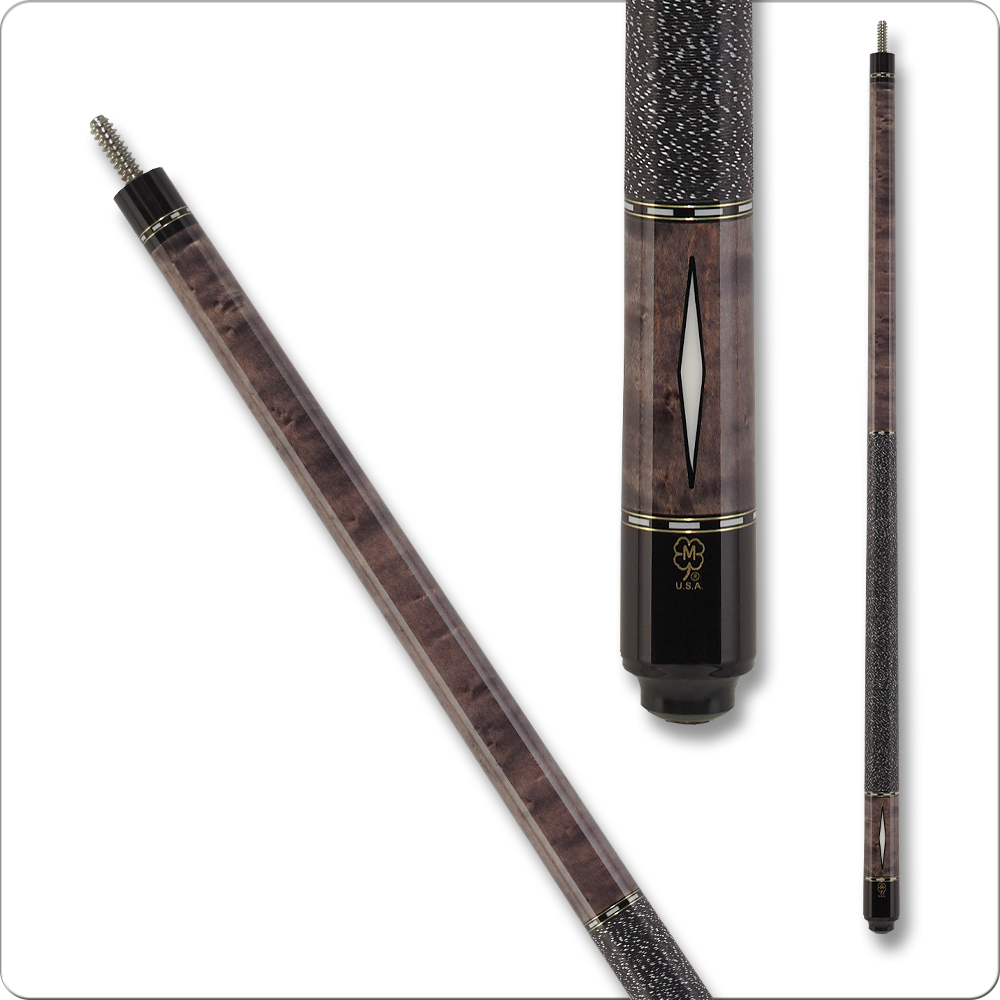
Most players spend their practice time learning to make balls. Far fewer spend it learning what to do when there is no ball to make, and that gap is where matches are quietly won and lost. Safety play, the deliberate art of leaving your opponent with nothing, is the least glamorous skill in pool and one of the most decisive. A great safety does not light up the room the way a long straight-in shot does, but it forces errors, swings momentum, and earns you ball in hand without any risk to yourself. If you want to climb out of a scoring plateau, defense is usually the fastest route up.
What a Safety Actually Does
A safety is any shot played not to pocket a ball, but to leave your opponent in a position where they cannot make one cleanly. The best safeties tuck the cue ball behind a blocker, leave a long and awkward distance to the next legal object ball, or freeze the cue ball to a rail so there is no comfortable bridge. The goal is to make your opponent kick, stretch, or guess, raising the odds that they foul or sell out a makeable shot to you.
Strong defensive players think one move ahead. Before they shoot, they ask a quiet question. If I cannot run out from here, what is the hardest possible table I can hand back? That single habit, choosing the safety over the hero shot, is the mental shift that separates players who plateau from players who keep climbing. It does not require more talent, only more discipline.
Touch Is Everything, and Touch Comes From Your Cue
Safety play lives and dies on speed control. A lockup safety that rolls six inches too far becomes a hanging shot for your opponent. A safety played too soft leaves them an open table. The difference between a winning safety and a disaster is often a single tap of cue ball speed, which means your stroke and your equipment have to deliver feedback you can trust.
This is where a quality playing cue matters more than people expect. A cue with a consistent, predictable hit lets you feel exactly how much energy you are putting into the cue ball, so a soft safety stays soft and a measured roll travels the distance you intended. The McDermott G302 Cue is a dependable example of a cue that rewards a smooth, controlled stroke, and the Meucci ME2020BL Pool Cue offers the kind of feedback that makes delicate speed control feel natural. You can compare options across our pool cues collection to find a hit that suits your touch.
Why Low Deflection Helps on Defense
Many safeties require a little inside or outside english to hold the cue ball or kill its momentum into a rail. The problem is that english introduces deflection, the small sideways push that sends the cue ball off your aiming line. On a power shot you might get away with it. On a precise safety where the cue ball needs to die in an exact spot, even a small unexpected squirt ruins the leave.
A low-deflection or carbon fiber shaft reduces that squirt, so the cue ball goes where you aim even when you add spin to control it. For defensive play, that predictability is gold, because it lets you commit to a safety with spin and trust the outcome. The Predator Revo Carbon Fiber Shaft is a benchmark in this category, and you can see the full range of stiffness and diameter choices in our carbon fiber collection. A shaft that keeps your aim honest under spin turns shaky safeties into reliable ones.
The Grip and the Glove
Defense rewards a relaxed, repeatable stroke, and nothing wrecks a soft stroke faster than a hand that sticks or sweats on the wrap. On a delicate safety, a tiny hitch in your bridge hand can add or subtract just enough speed to blow the leave. A pool glove keeps your bridge gliding smoothly so your stroke stays consistent from the first rack to the last. The Predator Second Skin Glove is a popular choice for players who want frictionless, steady contact, and our gloves collection covers both bridge hands and a range of materials.
Three Safeties Worth Drilling
You do not need a hundred patterns to become a dangerous defensive player. Start with three. The first is the hide, where you roll the cue ball behind a blocker ball so your opponent has no straight path to their object ball. Practice tucking the cue ball just past the blocker so a kick is the only option.
The second is the distance safety, where you simply leave the cue ball and the object ball at opposite ends of the table. Long shots miss more often, and a long shot with no easy follow-up forces conservative play. The third is the rail freeze, where you leave the cue ball frozen or nearly frozen to a cushion. That position forces an awkward bridge and removes most of your opponent’s spin options, which strangles their offense.
Drill each one until you can predict the leave before you shoot. Defensive feel is a muscle, and it grows quickly once you give it attention, because most opponents have never practiced escaping good safeties.
Reading When to Defend
Knowing how to play a safety is only half the skill. The other half is recognizing the moment that calls for one. The simplest trigger is a runout that you cannot see all the way to the last ball. If you cannot picture every shot and every position route to close the rack, you are guessing, and guessing on offense usually ends with your opponent at the table. In that situation, a safety is the percentage play even when an attractive shot is staring at you.
Pay attention to clusters, too. When key balls are tied up and you have no clean way to break them, firing into the cluster and hoping is a coin flip. A controlled safety that leaves your opponent to deal with the same mess often flips the pressure back onto them. The player forced to attack the bad layout is the player most likely to make a mistake, and you want that player to be the one across the table, not you.
The Two-Way Shot
Once you trust your defense, you can start layering it into your offense with the two-way shot. This is a shot you attempt to make while also leaving your opponent safe if you miss. You pick a shot where the natural miss still tucks the cue ball into a hiding spot or sends it to the far rail, so a missed pot does not become a gift. The two-way shot lets you stay aggressive without taking on the full risk of a sellout, and it is a staple of high-level play.
Building two-way shots into your game requires the same control tools that make pure safeties work, a predictable cue, a low-deflection shaft, and a smooth bridge. When your equipment delivers the cue ball where you intend, you can plan both outcomes of a shot with confidence instead of hoping the miss works out. That is the point where defense stops being a fallback and becomes a weapon woven through everything you do.
The Mindset That Ties It Together
The hardest part of safety play is not the shot, it is the decision to play it. Ego pushes us toward the spectacular makeable shot even when the odds are bad. Discipline pulls us toward the safety that wins the game. The best players in the world play safe constantly, not because they cannot shoot, but because they understand that a missed low-percentage shot hands the rack to an opponent who will punish it.
Reframe safety play as offense by another name. Every time you lock up your opponent and force a foul, you are creating a ball-in-hand runout for yourself. That is not playing scared, that is playing to win. Pair that mindset with a cue you can feel, a shaft that keeps your spin honest, and a smooth bridge, and you will start winning racks you used to lose. Browse our pool cues collection when you are ready to build a setup that supports a complete game, offense and defense alike.

About Corey Bernstein
Corey Bernstein is a competitive pool player, billiards equipment specialist, and co-owner of Quarter King Billiards in Wilmington, North Carolina. With over a decade of experience in the sport, Corey has competed in regional APA and BCA sanctioned tournaments and maintains an intimate knowledge of cue construction, shaft technology, and table mechanics. As a certified dealer for brands including Predator, McDermott, Jacoby, Viking, Lucasi, Meucci, Joss, and Cuetec, Corey personally tests and evaluates every cue that comes through the shop. His hands-on approach to the business means he has racked thousands of hours behind the table — breaking in shafts, comparing tip compounds, and dialing in the nuances that separate a good cue from a great one. When he is not behind the counter or on the table, Corey is researching the latest advances in low-deflection technology, carbon fiber shaft construction, and cue ball physics. His articles on Quarter King Billiards combine real-world playing experience with deep product knowledge to help players at every level find the right equipment for their game.