 844 408 3056

 Hot Deal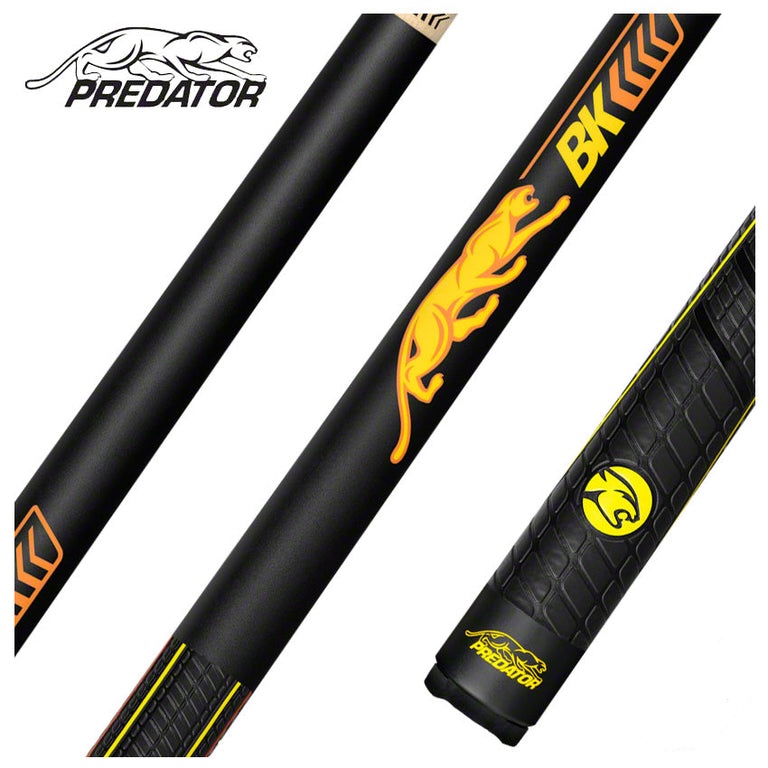
Pool fans get a fresh reason to stay up late this week. The Universal Open runs June 25 to 28, 2026 at Mille Billiards in Jakarta, Indonesia, carrying a prize fund of 63,000 dollars as an official ranking stop on the World Nineball Tour. A ranking event in Southeast Asia always draws a deep, hungry field, and the racks in Jakarta tend to reward players who can pound the break and still keep the cue ball under a tight leash.
You do not need a flight to Indonesia to take something home from this one. The way these matches are won and lost points straight at the gear and habits that decide your own league nights. Here is what to watch, and how the lessons map onto the equipment you actually shoot with.
Why a Jakarta ranking stop plays differently
Asian nine-ball events have a reputation for fast, aggressive pool. The tables are tuned tight, the cloth is quick, and players are comfortable firing the break at full speed because they trust their cue ball control on the very next shot. That combination separates the field in a hurry. A booming break that scatters the rack means nothing if the cue ball sails three rails into a corner and leaves no shot.
This is the first thing to study as you watch. Notice how the strongest players hit the rack hard, then immediately settle the cue ball near center table. They are not getting lucky. They are using a dedicated break setup and a controlled body motion that lets them swing freely without losing the white. That is a repeatable skill, and it starts with using the right tool for the job instead of breaking with your playing cue.
The break: power you can actually steer
The temptation for newer players is to muscle the break with whatever cue is in their hand. Watch the pros and you will see the opposite. They reach for a purpose-built break cue with a stiffer hit, a harder tip, and a balance that delivers energy into the rack rather than absorbing it. That is the difference between a loud break and an effective one.
If your break is the weakest part of your game, a real break cue is the most underrated upgrade you can make. The Predator BK4 Break Cue is a popular choice because it is engineered to transfer power cleanly while staying controllable, which is exactly the balance you see rewarded in a fast Jakarta-style rack. For a lighter, more affordable entry that still delivers a stiff, predictable hit, the Cuetec AVID Surge Break Cue gives league players a dedicated break stick without a four-figure outlay. You can browse the full lineup in our break cues collection to match a hit and price to your stroke.
The shaft conversation the tour keeps having
Low deflection shafts, and carbon fiber in particular, have quietly taken over the professional ranks. There is a reason. When you apply side spin, a standard maple shaft pushes the cue ball offline more, forcing you to adjust your aim by feel on every spin shot. A low deflection carbon shaft reduces that squirt, so the ball starts closer to where you point it. Over a long match with hundreds of shots, that consistency adds up to fewer missed position plays and fewer rattled balls in the jaws.
If you have been curious why so many top players run carbon, this event is a good live demonstration. Watch how freely they use outside and inside english to move the cue ball, trusting the shaft to behave the same way every time. A shaft like the Predator Revo Carbon Fiber Shaft or the Jacoby Black Carbon Fiber Shaft brings that same low deflection behavior to a cue you already own, since most modern carbon shafts are sold to fit standard joints. The full carbon fiber shaft selection is worth a look if your current maple shaft is fighting you on spin shots.
Three things to steal from the winners
Break with intent, not just force. Pick a target on the head ball, commit to a cue ball landing zone, and break to a plan. A controlled break that consistently leaves a shot beats a wild one that scatters balls into clusters.
Respect the cue ball after contact. The best players in Jakarta will treat the shot after the break as the real start of the rack. Practice your second shot as if it decides the game, because at this level it often does.
Trust your equipment so you can trust your stroke. When your break cue and shaft behave the same way every time, you stop second-guessing and start stroking freely. Confidence in the gear frees up confidence in the swing.
Build a break routine you can repeat
The players you will watch this week do not improvise their break. They run the same setup every single time, and that consistency is why their results hold up over a long event. You can copy the framework tonight. Start by squaring your stance a little more open than your normal shooting stance, which lets your hips clear and your arm accelerate. Place the cue ball in the spot that gives you the cleanest, most square hit on the head ball, then commit to a target contact point and a landing zone for the white before you ever pull the trigger.
Speed is the trap. Most amateurs equate a good break with maximum force, then sacrifice accuracy and cue ball control to chase a few extra miles per hour. Dial your break back to roughly eighty percent of your hardest swing and you will usually make more balls, because a square, accurate hit at controlled speed spreads the rack better than a crooked rocket. Film yourself on a phone for one rack and you will likely catch your bridge collapsing or your body lunging forward, both of which leak power and ruin your cue ball position.
Match play is a mental grind
Ranking events are won over many hours, not in a single highlight. The thing that travels best from the professional game to your league night is composure between racks. Watch how the leaders reset after a missed shot or a dry break. They do not stew. They walk back to the chair, breathe, and return to the table with the same routine they used on the first shot of the match. That emotional flat line is a skill you can practice, and it protects all the mechanical work you put into your break and your stroke.
Give yourself a small assignment as you watch. Keep a notebook or a note on your phone, and every time a player does something you want to add to your own game, write it down in one sentence. By the end of the event you will have a personal practice list drawn straight from the best players in the world, which is a better training plan than most amateurs ever build for themselves.
Bring the pro game home
You will not face Jakarta-tight tables on your local nine-footer, but the principles travel. A dedicated break cue protects your playing shaft from the hardest hit of the game and gives you a more powerful, more controllable break. A low deflection shaft makes your spin predictable so your aim stops drifting. Together they remove two of the biggest sources of inconsistency in an amateur game.
As you follow the Universal Open this week, watch with a purpose. Pick one player whose cue ball control you admire, study how calmly they handle the shot after the break, and then go test the same discipline on your own table. When you are ready to upgrade the tools behind that discipline, start with our full pool cues collection and pair the right playing cue with a break cue and carbon shaft built for the way the modern game is actually played.

About Corey Bernstein
Corey Bernstein is a competitive pool player, billiards equipment specialist, and co-owner of Quarter King Billiards in Wilmington, North Carolina. With over a decade of experience in the sport, Corey has competed in regional APA and BCA sanctioned tournaments and maintains an intimate knowledge of cue construction, shaft technology, and table mechanics. As a certified dealer for brands including Predator, McDermott, Jacoby, Viking, Lucasi, Meucci, Joss, and Cuetec, Corey personally tests and evaluates every cue that comes through the shop. His hands-on approach to the business means he has racked thousands of hours behind the table — breaking in shafts, comparing tip compounds, and dialing in the nuances that separate a good cue from a great one. When he is not behind the counter or on the table, Corey is researching the latest advances in low-deflection technology, carbon fiber shaft construction, and cue ball physics. His articles on Quarter King Billiards combine real-world playing experience with deep product knowledge to help players at every level find the right equipment for their game.