 844 408 3056

 Hot Deal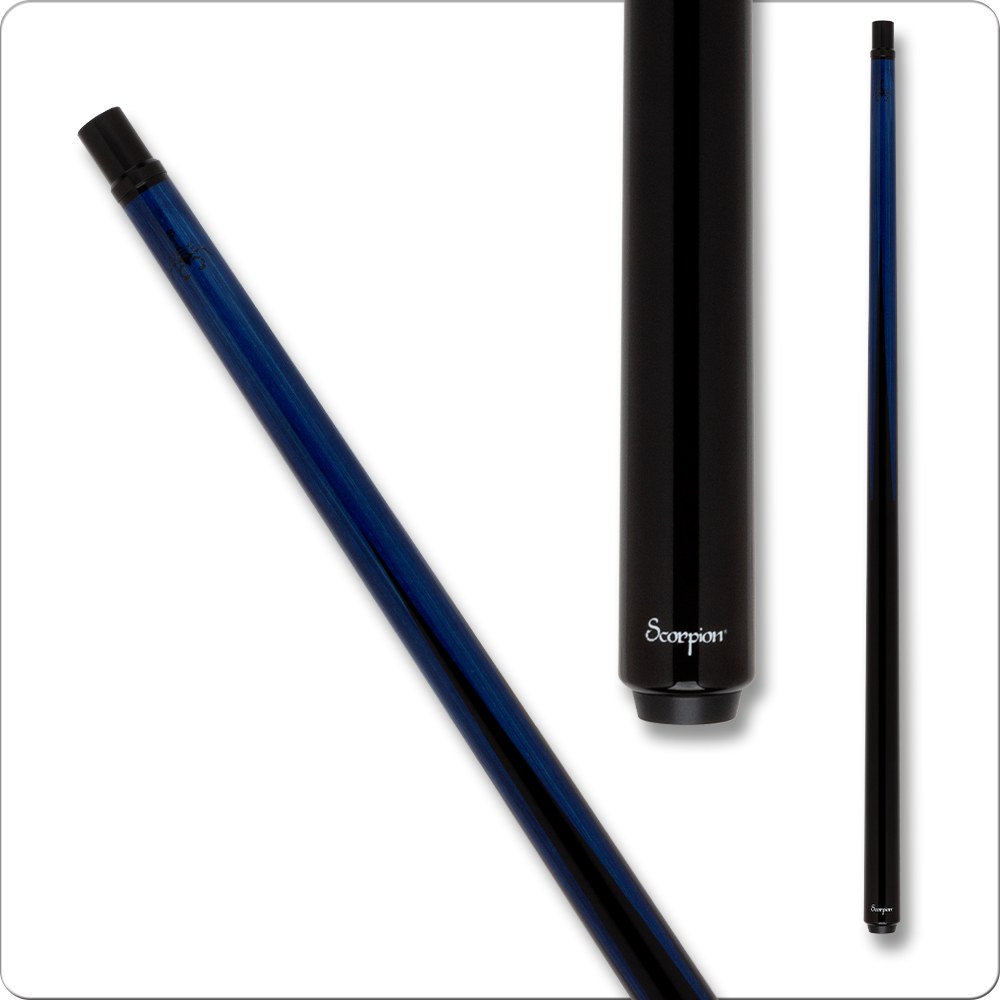
The biggest pool tournament in America has a new address. From August 25 through August 30, the US Open Pool Championship sets up shop at the Embassy Suites in Frisco, Texas, bringing 256 of the best 9-ball players on the planet to the Dallas suburbs for the first time. This is the 49th edition of the event, and the numbers around it are serious: a field drawn from more than 50 countries, a $500,000 prize fund, and a double elimination format that has broken the hearts of more world champions than any other structure in the sport.
For fans in Texas, this is a rare chance to watch the World Nineball Tour up close. For the rest of us, it is a masterclass in preparation. The way professionals get ready for a six day, two loss tournament has real lessons for anyone who plays league on Tuesday nights, and the equipment choices they make under that kind of pressure are worth studying before your next upgrade. Quarter King Billiards stocks a deep bench of the same style of gear the touring pros rely on, so this preview doubles as a shopping map for players who want tournament grade equipment without guesswork.
A New Home in Texas
The US Open spent recent years in Atlantic City, and before that it lived for decades in Virginia under the Behrman family. Moving the event to Frisco puts it in one of the fastest growing sports towns in the country, and it puts a serious pool crowd within driving distance of millions of players across Texas and Oklahoma. Matchroom has built the modern US Open into a television product with arena lighting, shot clocks, and a single championship table for the final days, and Frisco gives them a venue built for that show.
The format stays true to tradition. Double elimination runs until the field cuts to the last 16, and from there it is single elimination knockout to the title. Races are long enough that the better player usually survives, but short enough that one bad rack of position play can flip a match. That combination is exactly why the US Open is considered the toughest title in American pool to win.
Aloysius Yapp Has Something to Defend
Last August in Atlantic City, Aloysius Yapp of Singapore finally broke through, beating Fedor Gorst 13-11 in the final to take the title and the $100,000 first prize. That win made Yapp the first player ever to capture three consecutive Matchroom majors, stacking the US Open on top of his UK Open and Florida Open wins from earlier in the year, and it pushed him to number two in the world Nineball rankings.
Yapp arrives in Frisco as the man to beat, but the list of players capable of taking it from him is long. Gorst has been the most consistent American based player on tour for several seasons. Filipino stars like Carlo Biado bring decades of championship experience, and the European contingent always travels deep. With 256 players in the bracket, a defending champion can play well for four days and still go home early. That is the beauty and the cruelty of this event.
What Double Elimination Actually Rewards
Casual fans sometimes assume the best shotmaker wins a tournament like this. Watch closely and you will see something different. Double elimination over six days rewards routine, energy management, and equipment trust more than highlight reel offense.
The winners side is about rhythm
Players who stay on the winners side play fewer matches, sleep more, and keep their stroke fresh for the knockout rounds. That is why you see pros play conservative position routes and take the safety battle early in a rack instead of forcing a low percentage combination. Every rack they do not have to grind out is energy banked for Friday and Saturday.
The one loss side is about survival
Fall to the one loss side early and you might need to win seven or eight matches in a row against desperate opponents just to reach the final stage. Players who make those runs talk about the same things afterward: they simplified their patterns, they trusted their break cue, and they stopped experimenting mid tournament. Nobody switches tips or shafts on day three of the US Open. The gear decisions are made weeks before the plane lands.
The Equipment Habits Worth Stealing
The single most consistent equipment trend on the World Nineball Tour is the move to low deflection carbon fiber shafts, a category Predator pushed into the mainstream and nearly every touring pro has now adopted in some form. The logic is simple. Under a shot clock, in an arena, on a table you only practiced on for twenty minutes, you want the cue ball to go exactly where your aim says it will go. Carbon shafts squirt less, play the same in humid Texas air as they do in a dry casino ballroom, and never develop the dings that make a wood shaft feel different from one event to the next.
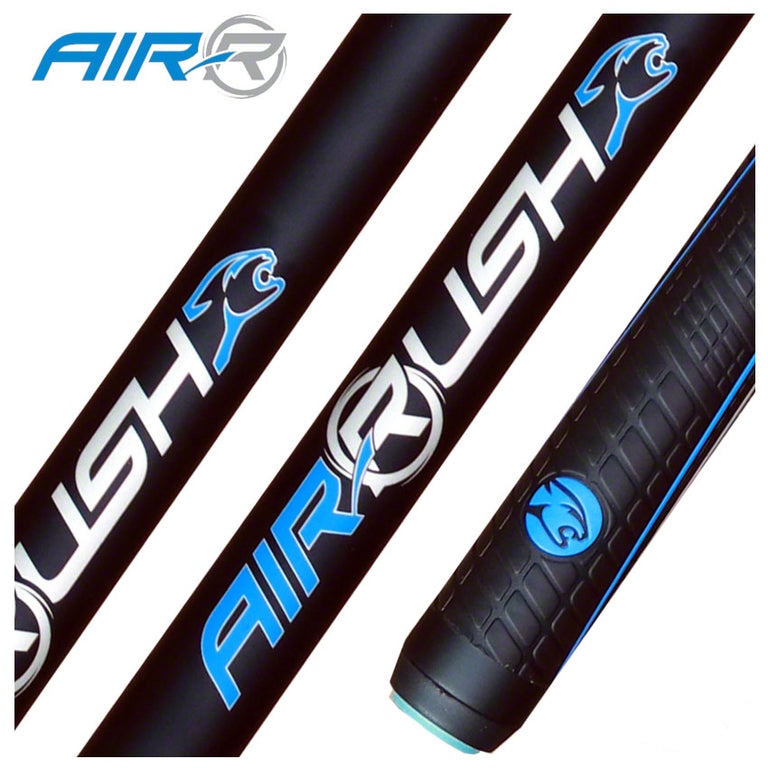
The second habit is owning a dedicated jump cue and actually practicing with it. Jump cues are legal on the World Nineball Tour, and matches at this level regularly swing on a successful jump escape. A purpose built jump cue like the Predator Air Rush gets the ball airborne with a fraction of the effort a full cue requires, which is exactly why the pros carry one even if they only use it twice a tournament.
The third habit is the least glamorous: redundancy. Pros travel with backup shafts and backup tips because a six day event punishes anyone with a single point of failure. Weekend players can borrow the principle at smaller scale by keeping their playing cue and breaking equipment separate, so the tip they shaped for soft touch position play never has to absorb a full power break.
Featured Predator Products
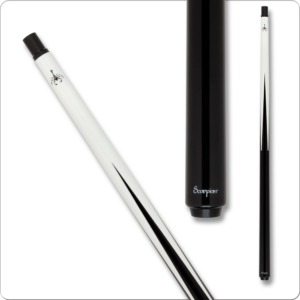
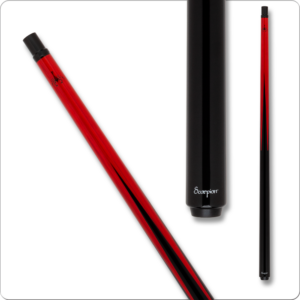
Predator built its reputation on exactly the technology you will see all over the Frisco arena, and its Scorpion line brings a real carbon fiber shaft down to a price a league player can justify. These are the Predator family picks we would hand to a player who wants tour style performance right now, including the Scorpion Sneaky Pete with carbon fiber shaft at a price that undercuts most wood cue upgrades.
-
-
-
Sale!
-
Scorpion SCO122 Sneaky Pete Pool Cue, Blue, No Wrap
Original price was: $450.00.$405.00Current price is: $405.00. Select options This product has multiple variants. The options may be chosen on the product page -
Sale!
-
Scorpion SCO121 Sneaky Pete Pool Cue, White, No Wrap
Original price was: $450.00.$405.00Current price is: $405.00. Select options This product has multiple variants. The options may be chosen on the product page -
Sale!
-
Scorpion SCO120 Sneaky Pete Pool Cue, Red, No Wrap
Original price was: $450.00.$405.00Current price is: $405.00. Select options This product has multiple variants. The options may be chosen on the product page
What League Players Can Take From Frisco
You do not need a $500,000 prize fund on the line to benefit from thinking like a US Open competitor. Pick your equipment early and stop tinkering two weeks before any event that matters to you. Practice your break as its own skill with its own cue, because the pros treat the break as the most important shot in 9-ball and their statistics prove them right. Learn one reliable jump technique instead of five inconsistent ones. And when you watch the streams from Frisco in late August, watch the position routes instead of the pocketing. The three ball patterns the pros choose are free coaching, six hours a day, for a week.
Here is a simple weekly routine borrowed from tournament players. One session for the break alone, twenty minutes of racking and breaking while tracking how often you make a ball and where the cue ball lands. One session for pattern drills with three and four ball runouts. One session of match play against the toughest opponent you can find, because pressure is a skill you can only practice under pressure. Keep notes on your phone between sessions. The players who climb fastest in any league are almost never the flashiest shotmakers. They are the ones who treat practice like the pros treat Frisco, as a schedule rather than a mood.
If the event inspires an upgrade, start with the shaft rather than the whole cue, because that is where the measurable performance lives. You can browse the full Predator collection or the wider pool cue lineup at Quarter King Billiards, and every listing shows real stock so you are never guessing what ships this week. The US Open comes to Texas on August 25. Your game can start its own preparation today.

About Corey Bernstein
Corey Bernstein is a competitive pool player, billiards equipment specialist, and co-owner of Quarter King Billiards in Wilmington, North Carolina. With over a decade of experience in the sport, Corey has competed in regional APA and BCA sanctioned tournaments and maintains an intimate knowledge of cue construction, shaft technology, and table mechanics. As a certified dealer for brands including Predator, McDermott, Jacoby, Viking, Lucasi, Meucci, Joss, and Cuetec, Corey personally tests and evaluates every cue that comes through the shop. His hands-on approach to the business means he has racked thousands of hours behind the table — breaking in shafts, comparing tip compounds, and dialing in the nuances that separate a good cue from a great one. When he is not behind the counter or on the table, Corey is researching the latest advances in low-deflection technology, carbon fiber shaft construction, and cue ball physics. His articles on Quarter King Billiards combine real-world playing experience with deep product knowledge to help players at every level find the right equipment for their game.