 844 408 3056

 Hot Deal
A good break is the least glamorous shot in pool and the one that quietly decides more racks than any other. Miss the pack by a hair, leave the cue ball floating in the middle of the table, and even a clean runout suddenly turns into a grind. That is why serious players stop breaking with their playing cue and pick up a tool built for one job. If you have been muscling the opening shot with a $200 all-rounder, a dedicated break cue is the upgrade that pays for itself the fastest.
This guide walks through what a break cue actually changes, how to match one to your game, and four options currently in stock at Quarter King Billiards that cover the range from first upgrade to tournament-grade power.
What a break cue actually does
A break cue is engineered to transfer energy into the cue ball and survive thousands of hard hits. Three features separate it from a playing cue. The tip is harder, often phenolic or a dense laminated material, so it does not compress and steal power the way a soft playing tip does. The shaft and ferrule are built stiffer to reduce deflection on a full-speed hit. And the balance and weight are tuned so you can accelerate the whole cue through the ball without losing control.
The payoff is not just raw speed. A proper break cue gives you a more repeatable break. When the tip, ferrule, and shaft return the same feedback every time, you can dial in a spot on the head ball, groove a stroke, and spread the rack the same way rack after rack. Consistency is what turns a lucky smash into a reliable weapon.
Break cue, playing cue, or jump-break
Players new to the idea often ask whether they really need a third cue in the case. The honest answer depends on how you play. If you break with your gamer, you are hammering a soft tip and a low-deflection shaft you paid a premium for, wearing both out faster and risking a warped joint. A separate break cue protects that investment.
Jump-break combos are a popular middle path. They convert from a break cue into a short jump cue, which is handy for bar players and leagues where you cannot carry a full arsenal. You give up a little at the extremes, since a dedicated breaker will out-power a combo and a dedicated jumper will out-jump it, but for most amateurs the convenience wins. You can browse the full break cue collection to compare straight breakers against jump-break designs side by side.
Featured Break Cues at Quarter King Billiards
These four cover the spectrum, from a budget-friendly first breaker to a carbon-fiber flagship the pros trust.
-
-
-
Sale!
-
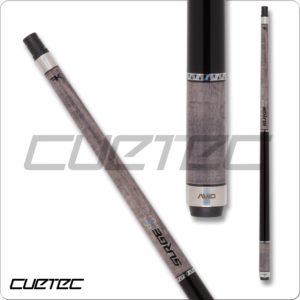
Cuetec AVID CT331NW Surge Break Cue
Original price was: $429.00.$389.00Current price is: $389.00. Select options -
Sale!
-
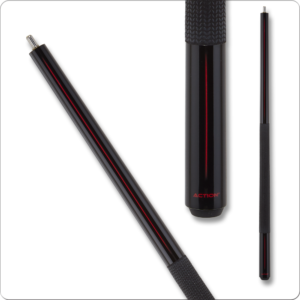
Action ABK05 Red Sport Break Cue
Original price was: $249.00.$224.10Current price is: $224.10. Select options
Matching a break cue to your game
Start with your budget and how often you play, then work up from there. Spending more buys you a stiffer, more consistent hit and better durability, but you do not need a flagship to feel the difference over a playing cue.
The first upgrade under $250
If this is your first dedicated breaker, the Action ABK05 Red Sport Break Cue is the classic entry point. It pairs a hard tip with a durable maple shaft and a grippy sport wrap, so you get a firm, repeatable hit without spending playing-cue money. For a league player who currently breaks with their gamer, this is the single cheapest way to protect that cue and gain power at the same time.
The composite step up around $400
The Cuetec AVID CT331NW Surge Break Cue moves you into modern materials. Cuetec builds the Surge with a firm, low-deflection profile that keeps the cue ball on line even when you swing hard, and the finish shrugs off the abuse a breaker takes. This is the sweet spot for an improving player who wants tournament-style performance without a four-figure price tag.
The premium and flagship tier
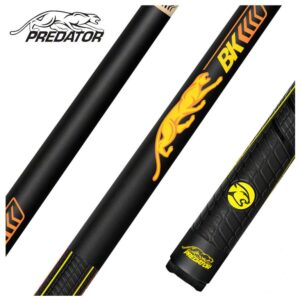
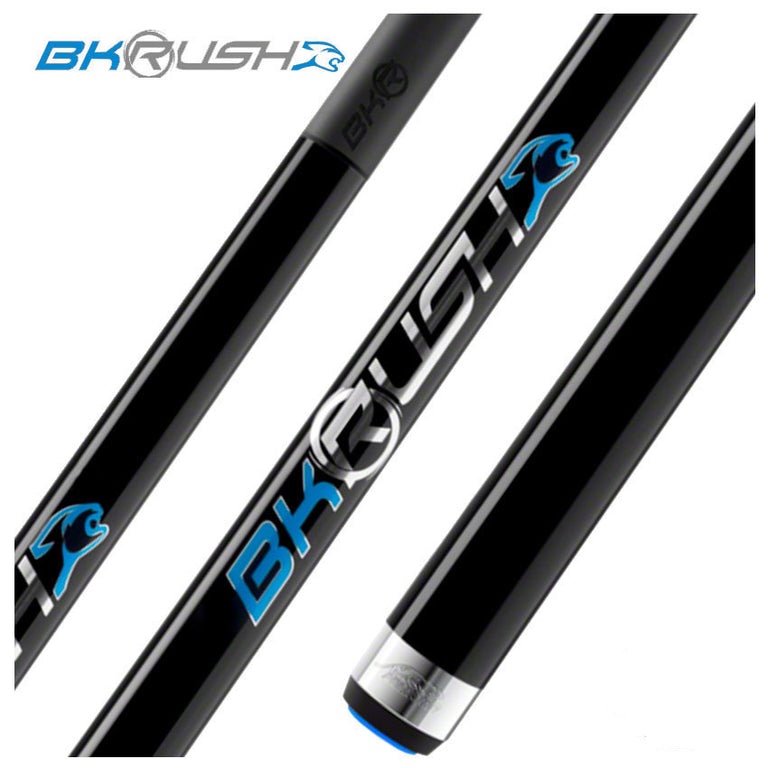
At the top, Predator sets the standard. The Predator BK4 Break Cue uses an engineered break shaft and a precision joint to deliver power with control, and it has become a fixture on tour. Step up once more to the Predator BK Rush, a carbon-fiber breaker that is about as consistent as the shot gets. If you break the same way every time and want the cue to reward that discipline, this is the one.
Technique still matters more than the cue
No cue breaks the rack for you. Even the BK Rush rewards a clean stroke and punishes a lunge. Keep your bridge solid and a touch longer than usual, stay down through the ball, and accelerate rather than jab. Speed comes from timing and a loose, whippy wrist snap at contact, not from a death grip and a full-body heave. Most amateurs would add more power by relaxing their grip than by swinging harder.
Aim for a square, full hit on the head ball with the cue ball struck slightly above center. That combination sends maximum energy into the pack while letting the cue ball settle near the center of the table instead of flying off a rail. Film your break with a phone for a few racks. You will usually spot a flaw in the first minute that no new cue would ever fix.
Weight, tip, and the details that change the hit
Break cue weight is personal, and heavier is not automatically better. Many players break best with a cue in the 18 to 19 ounce range, slightly lighter than they expect, because a lighter cue is easier to accelerate to top speed at the moment of contact. Cue ball speed at impact matters more than the mass behind it, and a cue you can whip through the ball cleanly will usually out-perform a heavier one you have to force. If you are unsure, start near your playing weight and adjust from there.
The tip is the other detail people overlook. Break tips run firm for a reason. A hard phenolic tip returns almost all of your energy to the cue ball and lasts for years, though it offers little feel and no spin. A hard leather or laminated break tip gives back a touch of control and a slightly softer sound, which some players prefer for reading the hit. None of the cues above need any tip work out of the box, but knowing the tradeoff helps you understand why your gamer feels so different on the break.
Joint and shaft construction round out the picture. A stiff wood break shaft is proven and affordable, while a carbon-fiber shaft like the one on the BK Rush adds consistency and durability that a serious competitor will feel over a long tournament. If you play in leagues or tournaments where every rack counts, that repeatability is worth the premium.
Reading the rack after you upgrade
A new break cue gives you power, but power without a plan just scatters balls. Once your speed is repeatable, start paying attention to what the rack does. In eight ball, a solid hit on the head ball with the cue ball parking near center leaves you a wide-open table and a made ball more often than not. In nine ball, many players move to a controlled cut break from the side to make the one and hold the cue ball, trading a little raw force for far better position on the lowest numbered ball.
Watch where your made balls fall and where the cue ball ends up over ten breaks in a row. Small changes in your contact point on the head ball, your speed, and the rack itself will show up as clear patterns. That feedback loop, made possible by a consistent break cue, is how you turn the opening shot from a coin flip into a genuine advantage. A cheap all-rounder simply cannot give you the same repeatable data to work from.
Where to start
If you are protecting a nice playing cue, almost any dedicated breaker is a smart buy, and the Action ABK05 gets you there for the least money. If you compete and want a cue that performs under pressure, the Cuetec Surge and Predator BK4 are proven picks, and the BK Rush is the carbon-fiber endgame. Whichever tier fits your budget, breaking with the right tool is one of the quickest ways to win more racks. Explore the full lineup of pool cues and every current breaker below.

About Corey Bernstein
Corey Bernstein is a competitive pool player, billiards equipment specialist, and co-owner of Quarter King Billiards in Wilmington, North Carolina. With over a decade of experience in the sport, Corey has competed in regional APA and BCA sanctioned tournaments and maintains an intimate knowledge of cue construction, shaft technology, and table mechanics. As a certified dealer for brands including Predator, McDermott, Jacoby, Viking, Lucasi, Meucci, Joss, and Cuetec, Corey personally tests and evaluates every cue that comes through the shop. His hands-on approach to the business means he has racked thousands of hours behind the table — breaking in shafts, comparing tip compounds, and dialing in the nuances that separate a good cue from a great one. When he is not behind the counter or on the table, Corey is researching the latest advances in low-deflection technology, carbon fiber shaft construction, and cue ball physics. His articles on Quarter King Billiards combine real-world playing experience with deep product knowledge to help players at every level find the right equipment for their game.