 844 408 3056

 Hot Deal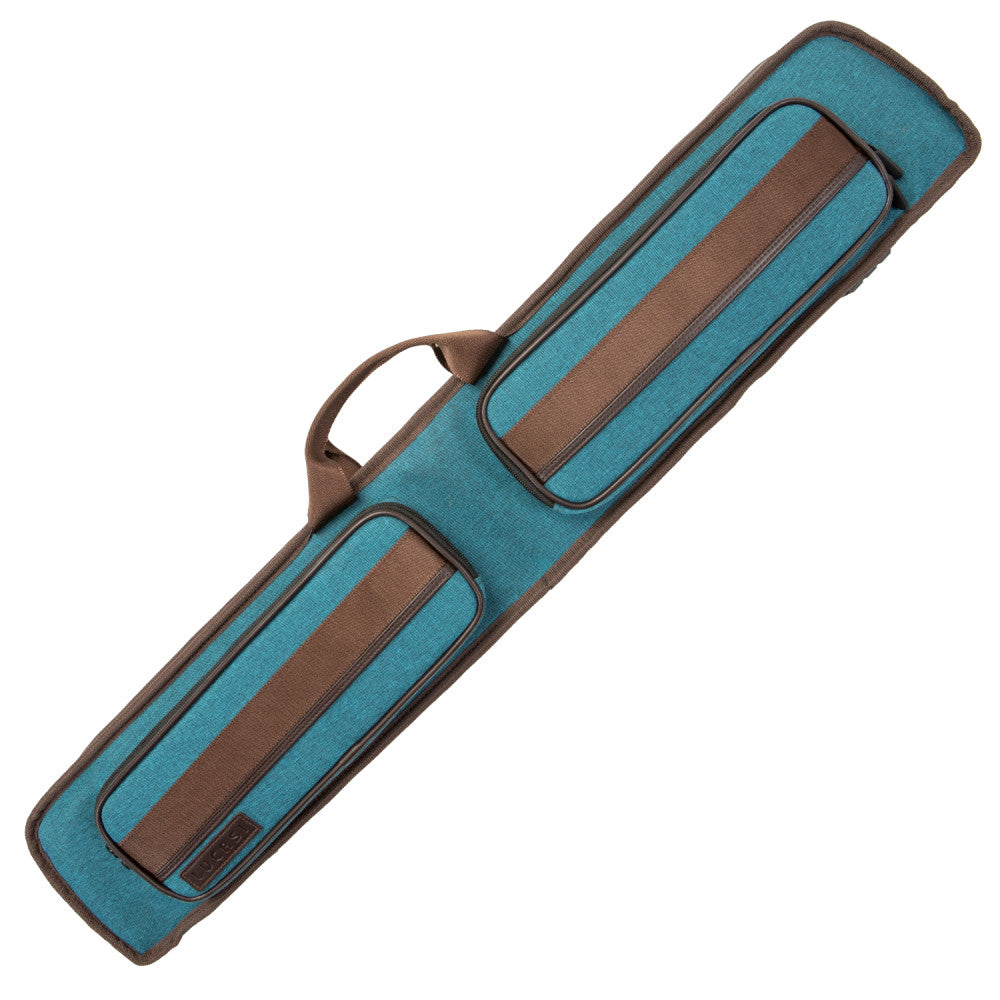
A cue case is the least glamorous purchase in pool and one of the smartest. You spend real money on a cue you trust, then toss it in a car trunk in July or lean it against a wall at a party, and you wonder later why the shaft has a warp or the joint feels loose. The right case is cheap insurance for gear that costs far more, and picking one is easier once you know what actually matters.
Two decisions drive everything else: how the case protects the cue, and how many pieces it needs to carry. Nail those two and the rest is color, wraps, and personal taste. Get them wrong and you either overpay for capacity you never use or under-protect a cue you cannot easily replace.
Soft Cases Versus Hard Cases
A soft case is padded fabric or leatherette wrapped around a semi-rigid interior. It is lighter, usually cheaper, and easy to sling over a shoulder, which makes it the everyday choice for players who walk from the car to the same room every week. Modern soft cases protect against dings, scratches, and everyday knocks perfectly well. What they do not do is survive being sat on or crushed under luggage.
A hard case uses a rigid shell, often molded plastic or a tube construction, to resist crushing and impact. If you travel with your cue, check it under a car full of gear, or simply want the strongest protection available, hard is the way to go. The tradeoff is weight and a little more bulk. Neither type is right for everyone. A player who only shoots at the local hall is well served by a quality soft case, while someone flying to tournaments should lean hard.
Capacity: Reading the Numbers
Cases are described by two numbers, such as 1×1, 2×2, or 2×4. The first number is how many butts the case holds and the second is how many shafts. A 1×1 carries a single cue, one butt and one shaft, which is all most casual players need. A 2×2 holds a full cue plus an extra shaft, or a playing cue and a break cue, which is the sweet spot for league players. Larger configurations like 2×4 or 3×5 exist for players who carry a playing cue, a break cue, a jump cue, and spare shafts.
The honest advice is to buy for the cues you actually own plus one step of room to grow. Most people who start with one cue eventually add a dedicated break cue, so a 2×2 often outlives a 1×1 purchase. Buying a giant case before you own the cues to fill it just means hauling empty slots around. If you are not sure, a 2×2 hard or soft case is the configuration that fits the widest range of players.
Featured Pool Cue Cases
Here are four cases we stock at Quarter King Billiards that cover the common needs, from a budget single-cue option up to a travel-ready multi-cue carrier. Each one shows the pattern of matching protection and capacity to how you actually play.
-
-
-
-
-
-
-
-
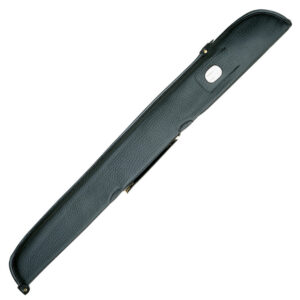
The Lucasi LC11A 1×1 hard case is the one to hand a player who just bought a cue and needs to protect it now. It is a rigid leatherette shell sized for a single cue, so it shrugs off the knocks that a bare cue would take in a car or a crowded room, and it does it at a price that does not sting. For a first case behind a first serious cue, this is the practical answer.
Move up to the Lucasi LC22A 2×2 hard case when you add a break cue or a spare shaft. It gives you two butt slots and two shaft slots in the same crush-resistant hard construction, which is the setup most league players end up wanting. If you would rather carry more cues in a lighter, shoulder-friendly package, the Lucasi Duo 2×4 soft case holds a full arsenal and travels comfortably, which suits players who bring options to every match. And if budget is the only concern, a basic single-cue soft case still beats no case at all by a wide margin.
Small Details That Save You Money Later
Beyond soft or hard and the capacity numbers, a few details separate a case you keep for years from one you replace. Look at the closure, since a sturdy zipper or a secure latch is what keeps a cue from sliding out at the worst moment. Check the interior dividers, because good padding between shafts prevents the tips and joints from knocking together in transit. A comfortable strap matters more than it sounds if you carry the case any real distance.
Storage habits matter as much as the case itself. Keep your cased cue out of hot cars, since sustained heat is one of the fastest ways to warp a shaft even inside a case. Store it standing up or lying flat, never leaning at an angle under pressure for weeks. A good case protects against impact, but you still have to protect against heat and gravity. Do both and a quality cue will play straight for many years.
When you are ready to protect your investment, compare the full pool cue case collection and match the protection and capacity to how you really play. If you are still choosing the cue that goes inside, browse the pool cues selection first and buy the case to fit it. The case is the cheapest part of the setup and the one that quietly keeps everything else safe.
Materials and Build Quality
Cases are made from a handful of common materials, and each has a personality. Leatherette gives a classic look at a friendly price and wipes clean easily, which is why so many entry and mid cases use it. Genuine leather ages beautifully and feels premium, but it costs more and needs a little care. Ballistic nylon is light, tough, and shrugs off weather, making it a favorite for players who carry a case everywhere. None of these is objectively best. The right material is the one that matches your budget and how rough your daily handling really is.
Inside the case, look for a full-length shaft compartment with real padding rather than a thin liner, and dividers that keep each piece from rattling against its neighbors. The interior is where a cheap case quietly fails, because the outside can look fine while the shafts knock together on every car ride. Spend an extra moment checking the lining before you buy, since that is the part actually touching the cue you paid for.
Matching the Case to Your Cue and Habits
You do not need a brand-matched case, but a little coordination goes a long way. If you own a break cue and a playing cue, a 2×2 like the Lucasi LC22A keeps both protected in one grab-and-go package. If you are the player who brings a jump cue and a backup shaft to every session, size up so nothing rides loose. Be honest about how often you travel by air or leave the case in a hot vehicle, because those two habits are what push a buyer from soft to hard more than anything on a spec sheet.
Whatever you choose, a case is a one-time purchase that protects a cue you may keep for a decade or more. Buy slightly better than you think you need, keep the interior clean, and the same case will still be doing its job long after you have upgraded the cue inside it. Compare the full case selection and let your real playing habits, not the lowest price, make the final call.

About Corey Bernstein
Corey Bernstein is a competitive pool player, billiards equipment specialist, and co-owner of Quarter King Billiards in Wilmington, North Carolina. With over a decade of experience in the sport, Corey has competed in regional APA and BCA sanctioned tournaments and maintains an intimate knowledge of cue construction, shaft technology, and table mechanics. As a certified dealer for brands including Predator, McDermott, Jacoby, Viking, Lucasi, Meucci, Joss, and Cuetec, Corey personally tests and evaluates every cue that comes through the shop. His hands-on approach to the business means he has racked thousands of hours behind the table — breaking in shafts, comparing tip compounds, and dialing in the nuances that separate a good cue from a great one. When he is not behind the counter or on the table, Corey is researching the latest advances in low-deflection technology, carbon fiber shaft construction, and cue ball physics. His articles on Quarter King Billiards combine real-world playing experience with deep product knowledge to help players at every level find the right equipment for their game.