 844 408 3056

 Hot Deal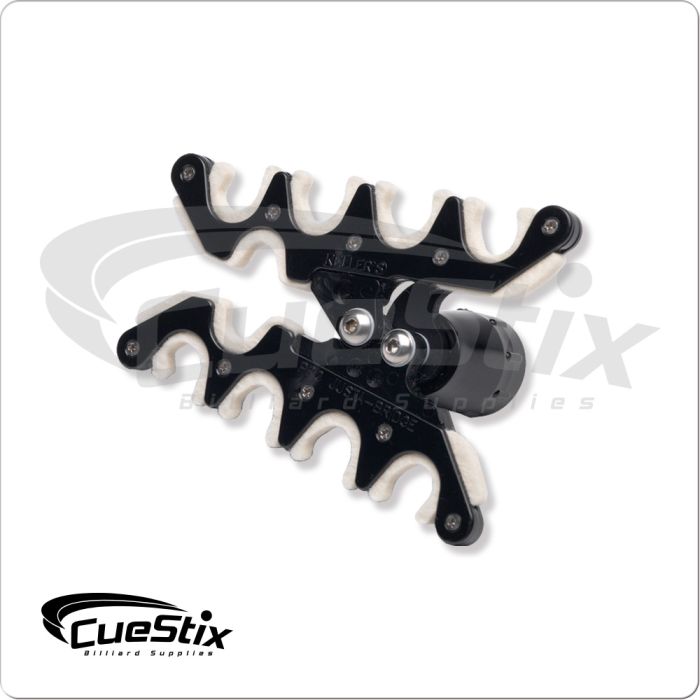
The mechanical bridge might be the most avoided piece of equipment in pool. Players will drape themselves across the table, balance on one toe, and attempt a behind the back stroke they have never practiced before they reach for the rake. Then they miss, hand the rack away, and blame the roll. Professionals do the opposite. They grab the bridge without a flicker of hesitation, because a controlled stroke from a stable base beats a heroic stretch nearly every time it matters.
This guide covers the three skills that turn blocked positions from panic into routine: running a proper stroke off a bridge head, building an elevated hand bridge over a blocking ball, and knowing when a touch of swerve genuinely helps. All three are learnable inside a week of short practice sessions, and together they rescue more racks per month than any aiming system you could buy.
Why the bridge feels awkward, and why that is fixable
The rake asks you to shoot a completely different stroke. Your elbow swings out to the side, your forearm works like a dart throw, and your dominant eye has to find the shot line from an unfamiliar height. None of that is hard. It is just rare. Most players touch the bridge twice a night at most, so the reps never accumulate and the discomfort never fades.
Compare that with any pro on a stream. They may use the bridge five times in a match without a single grimace, because somewhere in their development they gave it an honest week of attention. That is the entire secret. The bridge is not a punishment. It is a club in the bag, and you are allowed to practice it.
Bridge technique that actually holds up
Place the head, then leave it alone
Set the bridge head flat on the cloth six to eight inches behind the cue ball, with the groove you plan to use pointing down the shot line. Pin the handle to the table with your non shooting hand, pressing lightly so the head cannot rock. The most common amateur error is a floating handle held in midair, which turns the whole tool into a seesaw. The table supports the weight. Your hand only supplies stillness.
Grip like a dart, not a hammer
Hold the butt near the end with your thumb and first two fingers, palm facing down or slightly inward. Your forearm does the stroking while the upper arm stays quiet, exactly like throwing a dart at a slow, deliberate pace. Squeezing with a full fist is what produces those lurching bridge shots that miss by a diamond.
Shorten everything
Use a shorter backswing than feels natural, a smooth pause, and a level follow through of a few inches. Play stun or gentle follow whenever the layout allows. Heavy draw off a bridge head is a low percentage flourish even for strong players, and the layouts that truly demand it are rarer than your imagination suggests.
Shooting over a blocking ball with your hand
When a ball sits just behind the cue ball, the bridge stays in the rack and your hand has to climb. Spread your fingers wide, rise up onto the fingertips, and pull your palm high so the thumb and index finger form a channel above the interfering ball. Keep the elevation as low as the blocker allows, because every degree of cue angle invites the cue ball to curve. Aim for a clean centerline hit at soft speed, and shorten your stroke the same way you would with the rake.
Two safety notes belong here. First, a fingertip bridge is legal and a double hit or a foul on the blocker is not, so give yourself an honest gap and commit to a crisp single contact. Second, if you cannot address the cue ball without touching the blocking ball, that is precisely the moment the smart player walks back to get the bridge, sets the head behind the traffic, and shoots the boring version.
The swerve reality check
Elevate the cue and add a hair of side, and the cue ball will curve on its way down the table. A light masse is genuinely useful at small angles, bending around the edge of a blocker to reach a hidden object ball. It is also the most oversold shot in pool. Full masse shots tear up cloth when executed badly, most rooms discourage them, and the kick or the bridge shot is the higher percentage escape in the vast majority of blocked positions. Learn the gentle version, respect the table, and save the circus shot for your own felt.
Choosing the escape: a thirty second decision tree
Blocked positions offer four exits: stretch, bridge, elevated hand, or spin. Run the checklist in order. Can you plant one foot on the floor and bridge normally with your hand flat and stable. If yes, shoot. If the reach forces your bridge hand onto its fingertips at full extension, the stroke is already compromised and the rake is the stronger play. If a ball blocks the cue ball directly, decide between climbing over it and curving around it based on distance: close blockers favor the elevated bridge, distant hidden balls favor a kick off a rail rather than any hero shot.
The thread running through all of it is honesty. The stretch shot feels athletic and the bridge feels clinical, and that feeling is exactly backwards from the results. Keep a private tally for one month of how often each choice actually pockets the ball or leaves a useful safety. The rake will win your ranking by a distance that will genuinely surprise you.
Three drills that build the skill in a week
Drill one is bridge stop shots. Line up a straight shot with the rake and play ten stop shots in a row, then move the cue ball a diamond farther back and repeat. Drill two is the over the ball ladder. Place a blocking ball one ball width behind the cue ball and pocket a hanger with a fingertip bridge, then tighten the gap a half width at a time. Drill three is rescue replay. Recreate the three ugliest leaves from your last league night and play each one with the bridge until it produces either a make or a controlled safety three times running.
Ten minutes a day is enough. By the following week the rake stops being an admission of failure and starts being a tool you reach for early, which quietly changes how opponents play safeties against you.
Bridge heads worth owning
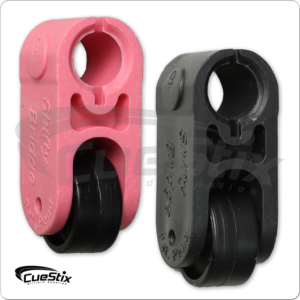
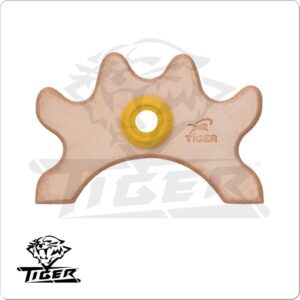
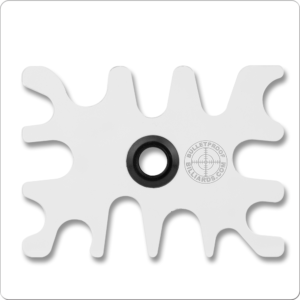
House bridges are wobbly, chipped, and occasionally sticky in ways nobody wants to investigate. A quality head that rides in your case solves that forever, and several designs slip over the shaft of any spare cue. The Justa-Bridge adjustable bridge head locks into multiple positions, which makes elevated over the ball setups dramatically more stable. The Tiger Corona leather bridge head is the premium pick, with a leather saddle that protects your shaft and sits dead quiet on the cloth. The Shifty bridge slides over your own shaft in seconds, and the BulletProof clear bridgehead gives you an unobstructed view of the shot line straight through the head.
Featured Bridge Heads
-
-
-
-
Shifty BHSB1 Bridge
$19.95 Select options This product has multiple variants. The options may be chosen on the product page -
-
-
-
Make the rake part of your routine
Every player has a hole in their game they quietly route around, and for most amateurs the blocked cue ball is that hole. A week of deliberate practice closes it. Set the head flat, throw the dart, keep the stroke short, and let the percentages work for you while your opponents keep attempting one legged acrobatics. The full bridge head collection covers every budget from three dollars to forty, and while you are outfitting the case, the pool cues collection has jump and break options that pair naturally with a stronger escape game.

About Corey Bernstein
Corey Bernstein is a competitive pool player, billiards equipment specialist, and co-owner of Quarter King Billiards in Wilmington, North Carolina. With over a decade of experience in the sport, Corey has competed in regional APA and BCA sanctioned tournaments and maintains an intimate knowledge of cue construction, shaft technology, and table mechanics. As a certified dealer for brands including Predator, McDermott, Jacoby, Viking, Lucasi, Meucci, Joss, and Cuetec, Corey personally tests and evaluates every cue that comes through the shop. His hands-on approach to the business means he has racked thousands of hours behind the table — breaking in shafts, comparing tip compounds, and dialing in the nuances that separate a good cue from a great one. When he is not behind the counter or on the table, Corey is researching the latest advances in low-deflection technology, carbon fiber shaft construction, and cue ball physics. His articles on Quarter King Billiards combine real-world playing experience with deep product knowledge to help players at every level find the right equipment for their game.