 844 408 3056

 Hot Deal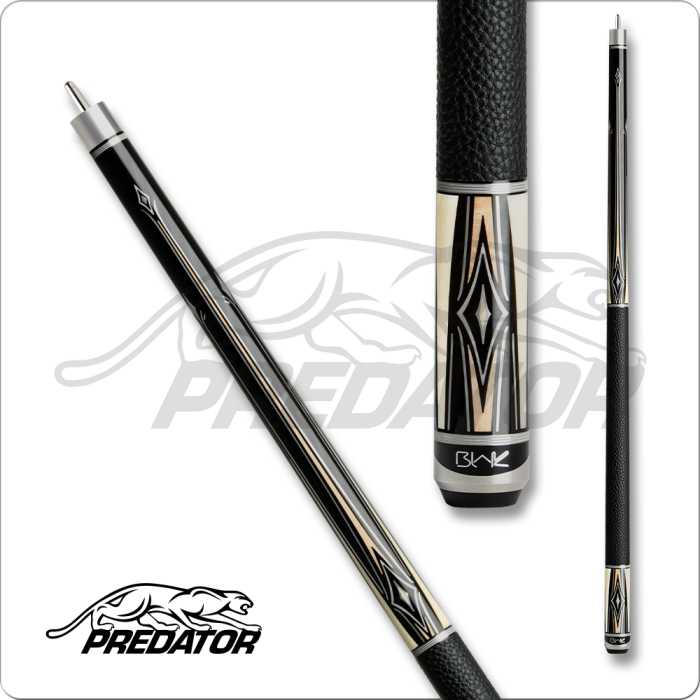
Pool’s biggest international showdown is officially heading back to Florida. Matchroom has confirmed that the 2026 Mosconi Cup will take over the Caribe Royale Resort in Orlando from November 27 through November 30, with the qualification ranking now locked in for both Team Europe and Team USA. For American fans who have spent years watching the cup ping back and forth between London and Las Vegas, this is the first chance in a long time to walk into the arena without a passport, and it sets up what could be one of the most unpredictable editions in years.
The story going in is simple. Team Europe just claimed their seventeenth title with an 11-3 demolition at Alexandra Palace, and Johan Ruijsink has been confirmed back at the helm of Team USA, hoping to reverse the runaway scoreline that defined December’s final session. The 2026 ranking list runs from after the 2025 Philippines Open through the cutoff event, meaning every WNT stop, every European Open, every World 9-Ball Championship matters. There is no waiting until autumn. If you want to wear the red, white, and blue or the blue stars of Europe, you have to bank points now.
Why Orlando matters more than the schedule lets on
Mosconi Cup venues have a real effect on the pool itself. Alexandra Palace and the MGM Grand each had their own table conditions, lighting quirks, and crowd energy that subtly shaped match strategy. Caribe Royale will be its own room with its own pace. American players grow up on Diamond tables, so a Diamond setup in Florida arguably tilts the practice advantage stateside. European players, however, log thousands of hours on the World Nineball Tour circuit, which travels constantly and forces them to adapt fast. That tug between familiarity and adaptability is exactly the equation that decides cup matches once the score gets tight.
For the average pool player at home, watching a Mosconi Cup match in Orlando is also a reminder that the equipment used at the highest level is not as exotic as people assume. Most of these athletes play with cues you can buy directly. The carbon fiber shaft revolution, the move toward low-deflection joints, the popularity of sneaky pete profiles for break and jump duty, all of it shows up on screen, and most of it is sitting on a rack at a pro shop or online retailer right now.
What the pros are bringing to Florida
Predator continues to dominate the cup in terms of player sponsorship counts. The brand’s BLAK series has become one of the most requested high-end cue families in the room because of how the new Revo and 3K shafts paired against the redesigned butts handle long shots and stretched stop shots. If you have watched Joshua Filler, Fedor Gorst, or Wiktor Zielinski step to the table on a TV table this year, you have seen the silhouette of cues like the Predator PREBLK52 BLAK Series Cue or the Predator PREBLK54 BLAK Series Cue. The family runs deep, and you can browse the full lineup over at the Predator Cues collection.
Not every cup contender plays Predator, of course. McDermott still represents one of the strongest American manufacturers on the circuit, and their G-Core and Defy shaft systems have crept into more pro hands than the brand often gets credit for. The G-Series Star Pool Cue line, including the McDermott MCDSP-PACIFIC-BLUE Pool Cue, gives a Mosconi-watching league player a route into a tournament-grade cue without crossing into four-figure territory. McDermott also tends to be the family-owned, lifetime warranty answer when fans want a cue with a story, not just a spec sheet.
For Team USA, the recent push has been to recruit and develop younger talent who are equally comfortable on a Diamond Pro-Am rail and a Cuetec carbon fiber shaft. Cuetec’s AVID and Cynergy lines have shown up in increasing numbers at WNT events as players experiment with carbon as a primary playing shaft instead of a break-only option. A cue like the Cuetec AVID CT326LTC Cue or its no-wrap counterpart sits in the same general performance neighborhood as the cues you see being unscrewed and packed away after a 9-3 winner.
The case for watching the road to Caribe Royale
Because the qualification system is a one-year ranking list, every televised event between now and the cutoff acts like a mini Mosconi audition. Players who have been pacing themselves in past seasons cannot do that this year, since stronger Pro Billiard Series and WNT fields will produce ranking pile-ups that punish anyone skipping events for travel reasons. That is good news for fans because it usually translates into deeper, more competitive draws and sharper TV brackets.
It also means the storyline going into the cup will be unusually clean. Players will earn their spots based on tracked, dated points. There will be debates about wildcard picks and captain’s discretion choices, naturally, but the core of both rosters will be transparent before the cup ever fires up in Orlando.
Three things American players can take from the announcement
Practice with intent for the rest of the year. If a player you sponsor or follow is chasing ranking points, your support directly affects whether they can afford the entry fees and travel to chase qualification. Buying tickets for stops, watching streams that pay players a share, and supporting WNT events on Matchroom platforms all count.
Use the cup window to sharpen your own equipment choices. Watching how Filler manages position with a low-deflection shaft, how Shane Van Boening handles a hill-hill safety battle, or how Tyler Styer breaks a rack with a heavier mass shaft is the kind of free coaching that league players miss when they treat broadcast pool as background noise. If you have been thinking about a shaft upgrade, a new mid-tier cue like the Lucasi LZE9 Custom Cue or one of the elegant American-made Pechauer JP25R10 Pro Series Cue options is a fair starting point as you watch and learn.
Plan early if you want to be in the room. Caribe Royale is a destination resort, not a downtown convention center, and Mosconi Cup ticket allotments tend to vanish faster than World Pool Masters seats. Matchroom has already announced the seating chart and pricing tiers. By the time the cup gets within sixty days, the upper bowl is typically the only thing left, and that is the section least suited to seeing the cue ball break out of a tight cluster.
What to expect from the format
Mosconi Cup matches are short. Singles races are to 5, doubles are also to 5, and the format moves fast. Format pressure is unlike anything in regular tour pool. A bad rack costs more than it does in a race to 11, and one missed safety can turn an entire session. That is why the cup tends to reward players who carry both a fight-back gear and a precision gear in their bag, often through their cue setup. A heavier break cue paired with a low-deflection playing cue is the standard pro layout, but increasingly we are seeing carbon shafts pulling double duty for both the break and the run.
If you have been sitting on the fence about adding a dedicated break cue or upgrading your tip and ferrule combination, the runup to Orlando is the perfect testing window. Pick a few drills, log results, and let the upcoming cup broadcasts validate or kill your stroke choices. Browsing the broader pool cues collection is a smart way to see the full landscape, from house-cue alternatives to tour-grade carbon builds, with current pricing and stock visible in one place.
Final thoughts before the countdown begins
The 2026 Mosconi Cup in Orlando has a chance to feel different. American players will have crowd, climate, and table familiarity. European players will arrive with seventeen titles in the bank and the most recent statement performance still fresh. Ruijsink knows what it takes to win the cup, having engineered Europe’s previous dynasty before crossing the aisle. The challenge for him is converting that cup IQ into an American roster that can hang with the precision-machine that is currently Europe.
The ranking system rewards activity, the field is wide open, and the venue creates a brand new home-court dynamic. November 27 is a long way off, but the qualifying matches start now. The next eight months of pool are about to get more interesting, and Mosconi Cup 2026 is the prize at the end of every one of them.

About Corey Bernstein
Corey Bernstein is a competitive pool player, billiards equipment specialist, and co-owner of Quarter King Billiards in Wilmington, North Carolina. With over a decade of experience in the sport, Corey has competed in regional APA and BCA sanctioned tournaments and maintains an intimate knowledge of cue construction, shaft technology, and table mechanics. As a certified dealer for brands including Predator, McDermott, Jacoby, Viking, Lucasi, Meucci, Joss, and Cuetec, Corey personally tests and evaluates every cue that comes through the shop. His hands-on approach to the business means he has racked thousands of hours behind the table — breaking in shafts, comparing tip compounds, and dialing in the nuances that separate a good cue from a great one. When he is not behind the counter or on the table, Corey is researching the latest advances in low-deflection technology, carbon fiber shaft construction, and cue ball physics. His articles on Quarter King Billiards combine real-world playing experience with deep product knowledge to help players at every level find the right equipment for their game.