 844 408 3056

 Hot Deal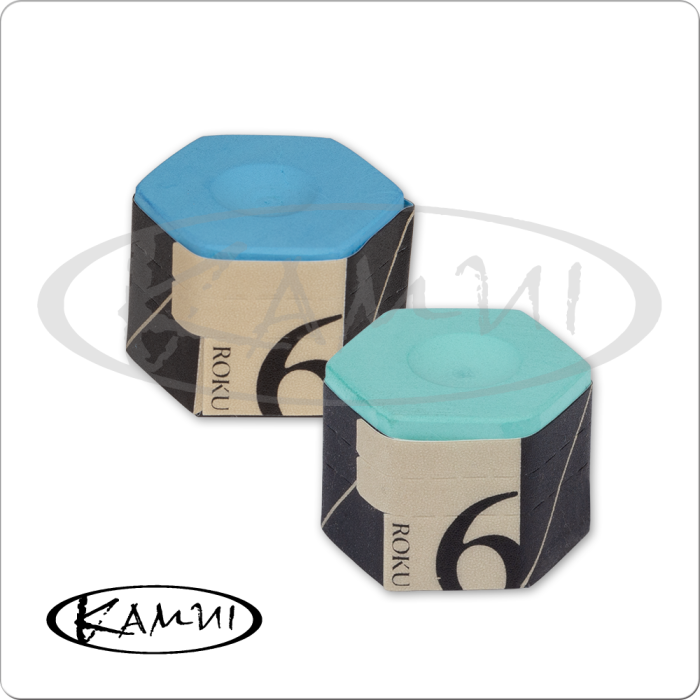
Chalk is the cheapest piece of equipment on the table and the one most players think about least. That is backwards. The little cube you smear on your tip is the only thing creating friction between leather and a glossy cue ball, and when that friction fails you get the most frustrating shot in pool: the miscue. Understanding chalk, and using a good one correctly, removes a whole category of unforced errors from your game.
Here is what chalk actually does, why some cubes cost more than a meal out, and how to pick and apply chalk so your spin shots stop sliding off the ball.
What chalk really does
A cue tip striking a polished cue ball has very little natural grip. When you hit off center to apply english, that smooth contact can slip, and the result is a miscue that sends the ball anywhere but where you aimed. Chalk fills the leather of the tip with fine abrasive particles that bite into the cue ball at contact, holding the tip in place long enough to transfer your intended spin. No chalk, no reliable english. It is that fundamental.
This is why chalk matters most on exactly the shots that win games. Center ball stuns and straight follow shots are fairly forgiving. The draw shots, the outside english for position, and the extreme spin that moves the cue ball around the table all live or die on the grip your chalk provides. Better grip means you can use more spin with confidence, which opens up position play that a slipping tip simply cannot attempt.
Why premium chalk costs more
Standard chalk works, and there is nothing wrong with a basic cube for casual play. The premium chalks earn their price in three ways: a stronger, more consistent grip that lets you apply maximum spin without miscuing, cleaner application that leaves less dusty residue on the cloth and cue ball, and longer hold so you chalk less often between shots. For players who lean on spin, that consistency is the whole point.
The Kamui Roku Chalk is a favorite among spin-heavy players because it grips aggressively and holds well, letting you reach for extreme english that ordinary chalk will not support. The TAOM V10 Chalk takes a different path, prized for leaving almost no residue and rarely needing reapplication, which keeps your cue ball and cloth cleaner. The Predator Pure Chalk aims at maximum grip for serious players who want to attack position with heavy spin. You can compare the full range in our pool chalk collection and find the balance of grip and cleanliness that suits your game.
The right way to chalk your cue
Most players chalk wrong, and they do it in a way that wears tips unevenly and grinds the cube down fast. Do not drill the chalk and spin it like you are sharpening a pencil. That gouges a hole in the chalk and coats the side of your ferrule. Instead, brush the chalk across the tip with light, sweeping strokes, rotating the cue so you coat the entire rounded surface evenly. You want a thin, complete layer on the leather, not a caked-on lump.
Chalk before every shot where you plan to use spin, and certainly before the break. It takes two seconds and it is the single easiest habit to prevent a miscue. Keep the chalk near you so the routine never feels like a chore. A Predator Crest Chalk with a holder, or a dedicated chalk holder clipped to your pocket, keeps premium chalk from rolling onto a dirty floor and chipping apart.
Matching chalk to your tip and table
Chalk does not work in a vacuum. A worn, glazed tip will miscue even with the best chalk in the world, because the leather has hardened and lost its texture. Scuff a glazed tip lightly so the chalk has something to grab. Likewise, a softer tip holds chalk a little longer than a rock-hard one, so break tips and playing tips behave differently with the same cube. If you are fighting miscues despite chalking well, the tip, not the chalk, is often the real culprit.
Table conditions play in too. A clean cue ball takes spin predictably, while a ball coated in chalk dust and skin oil gets slick and unpredictable. This is one more reason the low-residue premium chalks have a following. Less dust on the ball means more consistent contact shot after shot.
Break chalk and play chalk are not the same job
The break asks more of your chalk than any other shot. You are hitting a hard, fast, off-center stroke, and a thin or worn layer of chalk is exactly where break miscues come from. Many serious players keep a separate cube reserved for breaking, chalk heavily right before they hit, and never let a power break run on a tip that has not been freshly coated. If your break occasionally slides off the cue ball and sends it flying, the fix is often nothing more than disciplined chalking before each break.
Playing chalk lives a gentler life, but consistency still matters. Switching chalk brands constantly means your tip is never fully conditioned to one product, and different chalks leave different residues. Pick a chalk you trust and stay with it long enough for your tip and your habits to settle around it. Your spin becomes more predictable when the variable of which cube you grabbed is removed from the equation.
Chalk myths worth dropping
A few stubborn beliefs hold players back. More chalk is not always better, because a caked, lumpy layer can actually reduce contact quality and dump excess dust onto the cue ball and cloth. Color does not determine quality, so a green or red cube is not automatically better or worse than blue, though matching chalk color to your cloth can reduce visible staining. And expensive chalk will not rescue a glazed, worn tip, since chalk can only grip leather that still has texture to hold it. Treat chalk as one part of a system that includes a properly shaped tip and a clean cue ball, and the whole package performs.
One more habit separates consistent players from streaky ones. Chalk on a schedule, not on a panic. Build chalking into your pre shot routine so it happens automatically before every spin shot and every break, rather than only after you have already miscued. A miscue is feedback that arrived too late. When chalking is a fixed step in how you approach the table, the slip simply stops showing up, and you spend your mental energy on pattern and position instead of worrying about whether the tip will grab.
Storing and traveling with chalk
Premium chalk is brittle and it hates a fall onto a hard floor. A single drop can crack a cube into pieces that crumble for the rest of its life. Keep your chalk in a holder or a small case in your cue bag rather than loose in a pocket where it collects lint and grit. A clean, intact cube applies a smooth, even layer, while a chipped one drags and deposits chunks. For a few dollars, a holder protects a chalk investment and keeps your application consistent from the first rack to the last.
A small upgrade with an outsized payoff
You can spend a thousand dollars on a cue and still throw away games to miscues if you are running a chipped, dried-out cube of bargain chalk. Few upgrades in pool deliver a better return for the money than switching to a quality chalk and learning to apply it properly. Your spin gets more reliable, your position play gets more ambitious, and that maddening slip off the cue ball largely disappears.
Pick a cube that matches how much spin you use, brush it on evenly before every spin shot, and keep your tip in shape so the chalk can do its job. Browse the full chalk selection to find your match, and while you are dialing in the small stuff, make sure the cue carrying that perfectly chalked tip is one you trust from our pool cues collection.

About Corey Bernstein
Corey Bernstein is a competitive pool player, billiards equipment specialist, and co-owner of Quarter King Billiards in Wilmington, North Carolina. With over a decade of experience in the sport, Corey has competed in regional APA and BCA sanctioned tournaments and maintains an intimate knowledge of cue construction, shaft technology, and table mechanics. As a certified dealer for brands including Predator, McDermott, Jacoby, Viking, Lucasi, Meucci, Joss, and Cuetec, Corey personally tests and evaluates every cue that comes through the shop. His hands-on approach to the business means he has racked thousands of hours behind the table — breaking in shafts, comparing tip compounds, and dialing in the nuances that separate a good cue from a great one. When he is not behind the counter or on the table, Corey is researching the latest advances in low-deflection technology, carbon fiber shaft construction, and cue ball physics. His articles on Quarter King Billiards combine real-world playing experience with deep product knowledge to help players at every level find the right equipment for their game.