 844 408 3056

 Hot Deal
The Complete Pool Cue Buying Guide for 2026
Choosing a pool cue is like choosing a golf club or a guitar—get the right fit and your game feels effortless. Get it wrong and you’ll fight your equipment every session. If you want to know how to choose a pool cue in 2026, this guide is the straight-shooting answer.
Quick takeaway: The best cue is the one that matches your stroke, your feel, and your budget—not whatever your buddy uses. This pool cue buying guide breaks down budget ranges, key specs, and real-world brand differences so you can buy with confidence and play better.
Budget Brackets: What You Actually Get for the Money
$100–$200: Solid Starter, Limited Upgrades
This range is where most new players should start. You’ll get a straight, playable cue with a decent maple shaft and a basic tip. The hit will be a little “hollow” compared to higher-end cues, and the wrap and inlays are usually simple or printed. But performance is absolutely good enough to learn fundamentals and play league.
What to expect:
- Standard maple shaft, 12.5–13 mm tip
- Basic linen or no-wrap handle
- Simple joints (often stainless steel)
- More one-piece or “import” cues with less customization
Who it’s for: New players, casual bar/league shooters, or anyone who wants a reliable backup cue.
$200–$400: Best Value Zone (Sweet Spot)
This is the range I recommend most for serious players. You’ll get better wood selection, tighter tolerances, and usually a better tip from the factory. Some cues in this range include entry-level low-deflection shafts, which can be a real performance boost.
What to expect:
- Better shaft wood and finish
- Options for low-deflection shafts
- More consistent weight/feel across models
- Improved wraps and aesthetics
Who it’s for: League regulars, improving players, or anyone who wants a cue that won’t hold them back.
$400–$700: Performance & Feel Territory
Once you cross $400, you’re paying for craftsmanship, balance, and high-performance shafts. This is where cues start to feel “alive” in your hands. You’ll see premium low-deflection shafts, nicer wraps (leather, exotic), and custom-style inlays.
What to expect:
- High-end LD shafts or premium maple
- Smoother taper transitions
- Better balance and feedback
- Cleaner, more durable finishes
Who it’s for: Competitive league players, tournament players, or anyone who’s sensitive to feel and feedback.
$700+: Pro-Level or Collector Grade
At this level, you’re entering the custom or flagship tier. The performance can be excellent, but you’re also paying for artistry, exotic materials, limited runs, and name recognition. Some players swear by these cues. Others find diminishing returns.
What to expect:
- Custom or flagship models
- Exotic woods, intricate inlays
- Carbon fiber shaft options
- Premium components throughout
Who it’s for: Serious competitors, cue collectors, or players who want their cue to be a statement piece.
Key Specs Explained (Without the Marketing Hype)
Weight: 18–21 oz Is the Practical Range
Most cues land between 18 and 21 ounces. Heavier cues can help some players feel more “drive,” but weight doesn’t add power—your stroke does. I generally like 19–19.5 oz for a balanced feel, especially for modern low-deflection play. If you tend to poke at the ball, a slightly heavier cue can calm your stroke. If you’re a smooth stroker, lighter can feel quicker and more controlled.
Quick rule: Choose a weight that feels balanced, not tiring after a long session.
Tip Size: 11.75–13 mm
Tip size affects precision and spin. Smaller tips (11.75–12.5 mm) allow easier English and cue-ball control, but punish bad aim. Larger tips (12.75–13 mm) are more forgiving and common on standard shafts.
If you’re newer: 12.5–13 mm is easier to control.
If you’re advanced: 11.75–12.5 mm helps with finesse and spin.
One more thing: tip hardness matters as much as size. A soft tip grabs the cue ball and helps with spin but needs more shaping and can feel “mushy.” A medium tip is the safest all-around pick. Hard tips last longer and feel crisp, but can be unforgiving if your contact isn’t clean. If you don’t want to think about it, pick a medium tip and replace it when it starts glazing over.
Shaft Type: Low-Deflection vs Standard
Low-deflection (LD) shafts reduce squirt when you apply side spin. Translation: you can aim closer to center and still move the cue ball where you want. Standard shafts have a more traditional “wood feel” and can be very accurate if you’ve built your stroke around them.
LD shafts: Great for learning modern cue-ball control, especially if you use a lot of English.
Standard shafts: Classic feel, great feedback, often cheaper.
Joint Type: The Hidden Feel Factor
The joint affects how the cue feels on impact. Stainless steel joints tend to feel crisp and “pingy.” Wood-to-wood joints feel softer and more muted. Radial pins and 3/8-10 joints are popular for solid, consistent feedback. There’s no “best,” just preference.
General feel guide:
- Stainless steel joint = firmer hit
- Wood-to-wood joint = softer, more natural hit
- Radial pin = smooth, solid feel
Wrap Type: Pure Preference, But It Matters
Wraps affect grip and comfort. Linen wraps are classic and absorb sweat. Leather wraps feel smooth and premium. No-wrap cues feel clean and direct but can get slippery if your hands sweat.
My take: If you’re playing long sessions or in hot rooms, linen is the safest choice. Leather is luxury. No-wrap feels great if you keep your hands dry.
Balance & Taper: The “Feel” You Can’t See on a Spec Sheet
Balance point and shaft taper are why two cues with the same weight can feel totally different. A forward-balanced cue can feel like it “drives” through the ball, while a neutral balance feels quick and easy to maneuver. Taper is how the shaft narrows from joint to tip—pro taper feels consistent in your bridge hand and is common on LD shafts, while a European taper gets thicker faster and can feel more rigid.
Practical advice: If you can test cues, pay attention to how steady the cue feels on long straight shots. If you can’t test, a medium pro taper and neutral balance are the safest all-around choices.
Wood vs Carbon Fiber Shafts: Honest Pros and Cons
This is the 2026 question everyone asks. Carbon fiber shafts aren’t a gimmick—they’re legit. But they’re not for everyone.
Wood Shafts (Maple)
Pros:
- Classic feel and feedback
- Easier to refinish and repair
- More variety in price
- Traditional look
Cons:
- More susceptible to dings and warping
- Can change feel over time with humidity
- Slightly less consistent across shafts
Best for: Players who love a natural feel and want that traditional “wood hit.” If you grew up playing with maple, it’ll feel like home.
Carbon Fiber Shafts
Pros:
- Extremely consistent from shaft to shaft
- Resistant to humidity and warping
- Low deflection built-in on most models
- Smooth, slick feel with less maintenance
Cons:
- Higher cost
- Different feel (some say “hollow” or “muted”)
- Aesthetics aren’t for everyone
Best for: Players who want the most consistent performance and low maintenance. If you travel a lot or play in varying climates, carbon is a win.
Bottom line: If you’re chasing performance and consistency, carbon fiber is the future. If you love feedback and tradition, wood is still the benchmark.
Top Brands Overview (Real Talk)
Lucasi
Lucasi cues are known for value and style. They sit mostly in the $200–$500 range and often come with good-looking designs and solid LD shafts. Great pick if you want performance and aesthetics without the premium price. Check the lineup: Lucasi pool cues.
McDermott
McDermott makes consistent, well-built cues with a loyal following. They’re known for excellent craftsmanship, strong warranty support, and a balanced feel. You’ll see solid options from the $250 range up into premium territory. Browse: McDermott cues.
Predator
Predator basically built the modern LD shaft market. Their cues are performance-first, and prices often start around $400+ and climb quickly. If you want a cue built for serious competitive play, Predator is a top choice. Explore: Predator cues.
Viking
Viking offers reliable American-made cues across mid-range pricing. They’re known for clean construction, good balance, and a classic hit. Solid choice for players who want a cue that feels traditional but still performs. See options: Viking cues.
Jacoby
Jacoby is a bit of a boutique favorite—quality build, beautiful design, and strong LD shaft offerings. They run mid to upper range, and the cues feel premium without being flashy for the sake of it. Check them out: Jacoby cues.
Meucci
Meucci cues have a distinct, soft feel that a lot of players love. They’re often lighter, with a flexible hit that rewards smooth strokes. If you’re a finesse player, a Meucci can feel like magic, but it’s not for everyone.
Cuetec
Cuetec is best known for carbon fiber technology, especially their Cynergy shafts. They’re a great option if you want modern performance without Predator pricing. Expect mid-range pricing with strong durability. Browse: Cuetec cues.
Pechauer
Pechauer is all about craftsmanship and consistent feel. Their cues sit in the $400–$900 range and are built like tanks—clean finish, great balance, and subtle design. If you want a cue that will last forever, Pechauer is a safe bet.
-
Sale!
-
Summit SUML20 Green Carbon Fiber Pool Cue
Original price was: $499.00.$449.10Current price is: $449.10. Select options -
Sale!
-
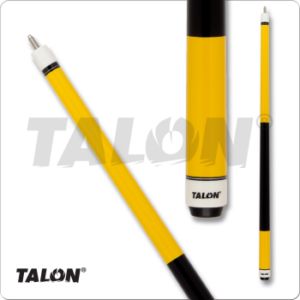
Talon TL08 Yellow Starter Pool Cue
Original price was: $79.00.$71.10Current price is: $71.10. Select options This product has multiple variants. The options may be chosen on the product page
What to Avoid: Common Beginner Mistakes
- Buying based on looks alone. A beautiful cue that feels wrong in your hands won’t help your game.
- Assuming heavier = more power. Power comes from stroke and timing, not extra ounces.
- Jumping straight to carbon fiber without trying it. Some players love it. Others hate the feel.
- Ignoring tip quality. A bad tip ruins consistency. If the stock tip feels mushy, replace it.
- Overthinking joint type and ignoring balance. A cue that’s balanced and comfortable beats a “spec-perfect” cue that feels off.
- Buying a cheap no-name cue online. Warped shafts and inconsistent build quality are common. You’ll end up replacing it.
- Skipping maintenance. Even great cues need a quick wipe-down and an occasional tip scuff. Dirt and a glazed tip kill consistency faster than most players realize.
- Changing too many variables at once. New cue, new tip, new gloves—if you switch everything at the same time, you won’t know what actually helped or hurt your game.
Our Recommendation: How to Choose a Pool Cue in 2026
If you’re buying your first serious cue, focus on feel and consistency over fancy details. Spend in the $200–$400 range, choose a shaft and tip size that matches your comfort, and don’t get sucked into brand hype. You can always upgrade later as your game evolves.
If you’re already a league or tournament player, start looking at higher-end LD shafts or carbon fiber if you want a performance boost. At that level, small improvements in squirt reduction and feedback can translate into real results.
My straight-up advice:
- New player: $150–$300, 12.5–13 mm tip, standard or entry LD shaft.
- Improving player: $300–$500, LD shaft, balance that feels steady in long sets.
- Competitive player: $500+, premium LD or carbon, keep consistency as priority #1.
Quick buying checklist (print this in your head):
- Do I like the balance? If it feels nose-heavy or awkward, move on.
- Does the tip size match my comfort? If you’re unsure, pick 12.5 mm.
- Is the shaft type right for my game? LD for spin-heavy play, standard for classic feel.
- Can I live with the wrap? Sweat = linen. Dry hands = no-wrap. Fancy feel = leather.
- Is the cue from a known maker? Consistency matters more than inlays.
Ready to shop? Start with the full catalog and filter by what matters most: browse our full pool cue collection.
If you already lean toward a brand, here are quick jumps:
-
Sale!
-
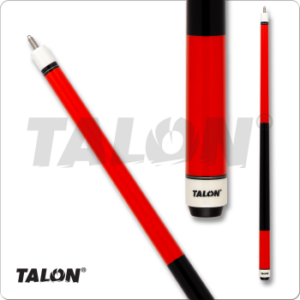
Talon TL07 Tangerine Starter Pool Cue
Original price was: $79.00.$71.10Current price is: $71.10. Select options This product has multiple variants. The options may be chosen on the product page -
Sale!

-
Talon TL06 Fuchsia Starter Pool Cue
Original price was: $79.00.$71.10Current price is: $71.10. Select options This product has multiple variants. The options may be chosen on the product page -
Sale!
-
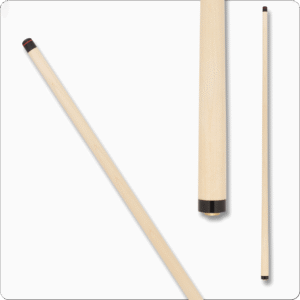
Action ACTXS Extra Shaft
Original price was: $85.00.$76.50Current price is: $76.50. Select options This product has multiple variants. The options may be chosen on the product page -
Sale!
-
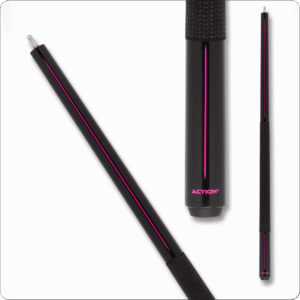
Action ABK10 Pink Stripe Break Cue – 25oz
Original price was: $249.00.$224.10Current price is: $224.10. Select options
Final Word
The best pool cues 2026 aren’t just the most expensive—they’re the ones that fit you. Use this pool cue buying guide to narrow your options, then trust your feel. The right cue won’t just make you play better—it’ll make you want to play more.

About Corey Bernstein
Corey Bernstein is a competitive pool player, billiards equipment specialist, and co-owner of Quarter King Billiards in Wilmington, North Carolina. With over a decade of experience in the sport, Corey has competed in regional APA and BCA sanctioned tournaments and maintains an intimate knowledge of cue construction, shaft technology, and table mechanics. As a certified dealer for brands including Predator, McDermott, Jacoby, Viking, Lucasi, Meucci, Joss, and Cuetec, Corey personally tests and evaluates every cue that comes through the shop. His hands-on approach to the business means he has racked thousands of hours behind the table — breaking in shafts, comparing tip compounds, and dialing in the nuances that separate a good cue from a great one. When he is not behind the counter or on the table, Corey is researching the latest advances in low-deflection technology, carbon fiber shaft construction, and cue ball physics. His articles on Quarter King Billiards combine real-world playing experience with deep product knowledge to help players at every level find the right equipment for their game.