 844 408 3056

 Hot Deal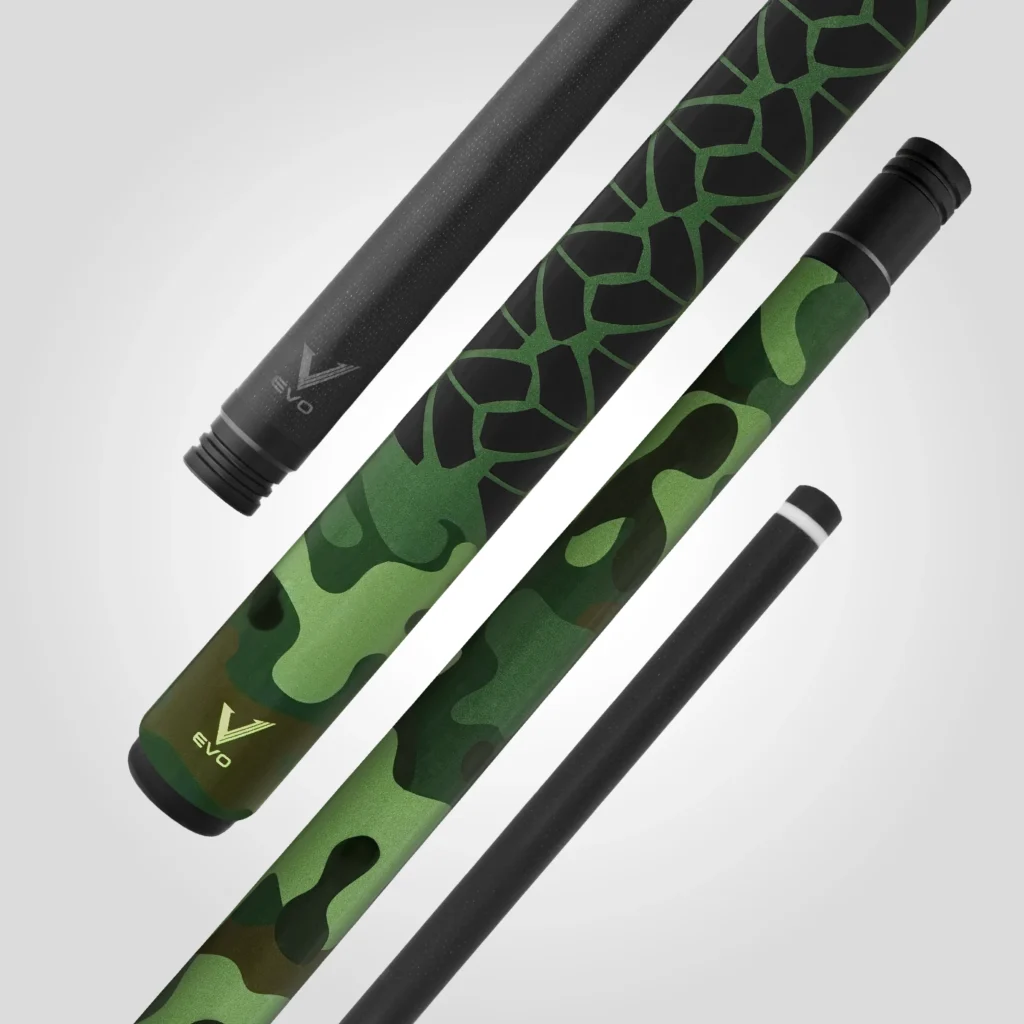
Rhino has carved out a real niche in the cue world by doing one thing very well: giving casual and intermediate players a cue that looks fun, plays decently, and does not empty the wallet. Walk into a bar pool league night and odds are you will spot a Rhino on the rack. The graphics jump out, the prices stay reasonable, and the build quality keeps pace with cues that cost twice as much. If you are shopping the Rhino pool cues collection at Quarter King Billiards, this guide will walk you through what makes the brand tick and which three cues stand out for 2026.
What makes Rhino different
Rhino sits squarely in the budget-to-mid tier of the pool cues category, with most models landing between $100 and $400. That price band matters because it is where most recreational players actually shop. Rhino is not chasing custom-cue collectors. The brand is chasing the player who wants something better than a house cue, something that says a little about their personality, and something they can afford without overthinking it.
The lineup leans hard on themed designs. Camo patterns, racing graphics, country flags, glow-in-the-dark finishes, retro wood looks. Where a brand like Schon will quietly let the inlay work do the talking, Rhino wants you to notice the cue from across the room. That visual pop is intentional. Rhino is targeting the player who wants the cue to be a conversation piece, not a stealthy plain jane.
On the construction side, Rhino uses a hard maple shaft with a stainless steel joint on most models. The standard tip is a layered leather, usually medium hardness, which is a sensible default for a beginner who has not yet locked in a personal preference. Wraps vary by model. The EVO line tends to use a textured grip rather than Irish linen, which keeps costs down and works fine in humid environments where linen can get slick. The higher-end Retro and Eclipse lines step up to genuine wood butt sleeves with multi-color pearl inlays.
Three options worth your attention in 2026
Rhino EVO Camo Pool Cue – Forest ($139)
The EVO Camo in Forest green is the entry point most beginners should look at first. At $139 it competes head-on with house cues from the major sporting goods brands but offers a real two-piece construction with a stainless joint and a layered tip. The forest camo wrap pattern reads green and brown without being tacky, and the textured grip stays comfortable through a long session.
Specs land in the standard recreational range: 58 inches, 19 to 21 ounce weight options, 13mm tip. Nothing on this cue is going to wow a tournament player, but for someone breaking out of borrowed bar cues this is a clear step up. The hard case crowd often picks one of these as a backup or a loaner, and they hold up.
Rhino Nebula Pool Cue – Blue (Radial Joint) ($299)
The Nebula in blue moves into the bracket where Rhino starts to feel like a serious cue. The radial joint is the headline upgrade. Radial pin joints transmit hit feedback better than the older flat-faced steel joints and they line up perfectly every time you assemble. That alone is worth the step up from the EVO line.
The Nebula uses a deep blue stained maple butt with subtle pearl inlays running up the forearm and butt sleeve. It is still flashy by Schon or Predator standards, but in person it reads as a real cue, not a novelty. At $299 it competes with the entry-level Players and Lucasi cues that share the same target customer, and it tends to win on looks while matching them on play feel.
Rhino VOYAGER – USA Pool Cue ($359)
The Voyager USA is the loudest cue in this guide. Red, white, and blue running the full length of the butt with USA flag elements throughout. If you are the kind of player who wants the table to know who they are dealing with, this is the cue. Rhino also makes Canada, Germany, and other country variants for players who want the same energy with a different flag.
Beyond the graphics, the Voyager line uses Rhino’s better build spec: layered leather tip, stainless joint, and a fiber-reinforced butt to handle the rougher treatment a recreational cue tends to see. At $359 with regular sale pricing under that, it is the upper end of casual pricing and the lower end of serious league play. Good fit for a confident intermediate player who wants a signature look.
How to choose
The decision tree on Rhino is pretty clean. If you have never owned your own cue, start with the EVO line at the $139 price point. You will get a real two-piece cue, you will not feel guilty if it gets banged up at the bar, and you will learn what you actually like and dislike before spending more.
If you have been playing on a borrowed cue for a year or two and you know you want to keep playing, jump to the Nebula or Eclipse line at $299 to $349. The radial joint and the better wood will pay you back every session. The tip alone tends to play better than what you got at the $139 level.
The Voyager line at $359 is more about identity than performance. It plays like the Nebula but looks like a statement. If you are buying it because you love how it looks, go with that instinct. If you are buying it because you think the higher price means better play, consider the Eclipse instead which lands at the same price with a more understated finish.
Tip hardness on Rhino comes medium across the board, which works for most players who mix break shots, draw shots, and standard center-ball play. If you know you want a softer or harder tip you can have any cue retipped at the shop, but most buyers are happy with the stock setup for a year or more before swapping.
Check the full Rhino pool cues lineup for current stock and color options. Quarter King Billiards keeps the most popular Rhino models on hand and can ship most styles within a few business days.

About Corey Bernstein
Corey Bernstein is a competitive pool player, billiards equipment specialist, and co-owner of Quarter King Billiards in Wilmington, North Carolina. With over a decade of experience in the sport, Corey has competed in regional APA and BCA sanctioned tournaments and maintains an intimate knowledge of cue construction, shaft technology, and table mechanics. As a certified dealer for brands including Predator, McDermott, Jacoby, Viking, Lucasi, Meucci, Joss, and Cuetec, Corey personally tests and evaluates every cue that comes through the shop. His hands-on approach to the business means he has racked thousands of hours behind the table — breaking in shafts, comparing tip compounds, and dialing in the nuances that separate a good cue from a great one. When he is not behind the counter or on the table, Corey is researching the latest advances in low-deflection technology, carbon fiber shaft construction, and cue ball physics. His articles on Quarter King Billiards combine real-world playing experience with deep product knowledge to help players at every level find the right equipment for their game.