 844 408 3056

 Hot Deal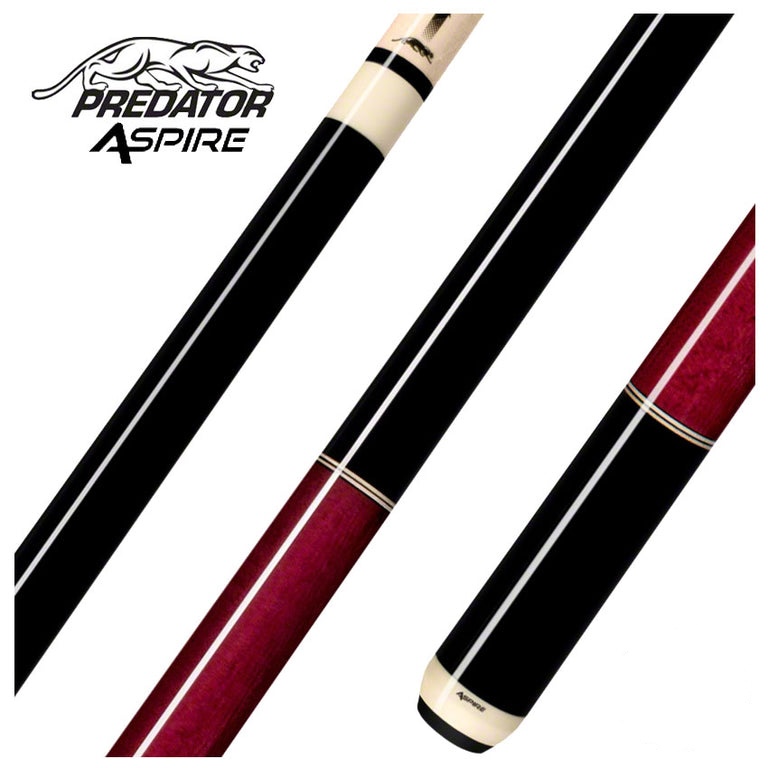
Team events strip pool down to its truest test. There is nowhere to hide when your country is watching, the match is tied, and the outcome comes down to a single shootout. That is exactly the pressure Team Philippines walked into at the 2026 Predator WPA Teams World Championship, held in late February at the Westgate Las Vegas Resort and Casino, and it is exactly the pressure they answered. Down two sets to none against a strong Team Poland, the Filipino squad clawed back to level the match and then held their nerve in a deciding shootout to take the world crown.
The winning lineup of Carlo Biado, Chezka Centeno, Rubilen Amit, and Jefrey Roda earned $120,000 from a $300,000 prize fund. Beyond the trophy, the way they won offers a clinic in the habits that carry over to every player, from league night to a Sunday tournament. Here are the lessons worth stealing, and the equipment that helps you build them.
Falling behind is not the same as losing
Poland took the first two sets. A lot of teams fold there. The Philippines did not, because they understood a truth that separates strong competitors from nervous ones. Pool is a game of long averages, and two bad sets do not change how well you actually play. They reset, trusted their fundamentals, and won the next two on merit.
The practical takeaway for your own game is to treat every rack as its own event. Losing three racks in a row does not make the next shot any harder. The players who come back from deficits are the ones who refuse to compound a bad patch with rushed decisions and reckless shots. Slow down, pick the highest percentage play in front of you, and let your average do the work over time.
Pattern control wins the pressure racks
What stands out watching a team like the Philippines is how boring their winning racks look. No hero shots, no low-percentage cuts when a simpler route exists. They read the whole rack, pick a sequence that keeps the cue ball moving on natural lines, and execute it one routine ball at a time. Under the brightest lights in the sport, they made the game look easy because they refused to make it hard.
That is pattern play, and it is learnable. Before you break into a rack, look for the trouble balls and decide how you will deal with them early, while you still have options. Choose the order that lets the cue ball travel short, natural distances instead of racing around the table. The best players are not the ones attempting the most spectacular shots. They are the ones who arrange the rack so they never have to.
Featured Predator Cues at Quarter King Billiards
Predator is the title sponsor of the Pro Billiard Series and the brand many of the world’s best trust, thanks to low-deflection shafts that make precise position play repeatable. Quarter King Billiards stocks the full range, from value gamers to tournament flagships.
From value to flagship, matched to your game
You do not need a professional’s budget to play with professional technology. Predator’s low-deflection design runs all the way through the line, so the position-play advantage the pros rely on is available at a range of prices.
If you are stepping up from a house cue, the Aspire series is the entry point. The Predator Aspire 1-1 and the Predator Aspire 1-6 bring genuine low-deflection performance into a value playing cue, which is the fastest way for an improving player to make sidespin and position more predictable. Browse the whole Predator collection to compare wraps and shaft options.
When you are ready for a cue that will not hold you back at any level, the flagship series deliver. The Predator Throne3 2 and the Predator Ikon4 4 pair showpiece craftsmanship with the carbon-fiber shaft technology that top players carry into events like the one in Las Vegas. These are the cues you buy once and keep for a decade.

The mental game the Filipinos modeled
A shootout is the purest pressure in pool. One ball, one chance, no chance to grind an average back in your favor. Watching a team execute in that format shows you what a repeatable routine is worth. The same pre-shot approach, the same rhythm, the same commitment to the line, whether it is the first rack of a practice session or the shot that decides a world championship.
You can borrow that directly. Build a pre-shot routine and run it the same way on every shot, so that when the pressure spikes, your body already knows what to do. Amit and Centeno have won at the highest level for years, and Biado is a former world champion, yet none of them speed up when it matters. They rely on habit, and habit is available to anyone willing to build it one shot at a time. The comeback from two sets down was not a burst of inspiration, it was the quiet product of thousands of reps done the same way. That is the encouraging part for the rest of us, because reps are something any player can put in.
Why the team format tests everything
The Teams World Championship gathered up to twenty four national squads, each built from three to five players including the top ranked competitor from every country. That structure creates a specific kind of pressure that individual events do not. You are not only responsible for your own shots, you are carrying teammates and a nation, and momentum can swing on a single rack handed off from one player to the next. It rewards depth, composure, and the ability to steady a match when a teammate is struggling.
For a club or league player, the lesson is that consistency beats brilliance in any format where results add up. A team full of steady, mistake-free players will grind down a team that relies on one or two spectacular talents. The same is true of your own game across a long session or a race to seven. Reduce your unforced errors and the wins follow, even without adding a single flashy shot to your repertoire.
Reading trouble balls the way the pros do
The habit that separated the Filipino squad in the pressure racks was early problem solving. Clustered balls, balls frozen to a rail, and balls blocking a pocket do not get easier if you ignore them. Strong players identify those problems before they break into the rack and handle them while they still have an extra ball or an open angle to work with. Leaving a trouble ball for last is how good runs die on the second to last shot.
Practice this by pausing before each rack you shoot and naming the one or two balls that could end your run. Decide when you will address them, then build the rest of your pattern around that plan. A low-deflection cue helps here, because opening a cluster or nudging a ball off the rail often requires a precise hit with a touch of spin, and predictable cue ball behavior is what lets you attack a problem without losing shape on everything else. It is the same reason the players in Las Vegas trust equipment that does the same thing every time.
Bring the lesson home
You may never play for your country in Las Vegas, but the habits that won that title are the same ones that win your league. Refuse to panic when you fall behind. Read the rack and play simple, connected patterns. Build a routine you can trust under pressure. And give yourself equipment that makes precise play repeatable rather than fighting you. Start with the Predator lineup or explore every option in the full pool cue collection at Quarter King Billiards.

About Corey Bernstein
Corey Bernstein is a competitive pool player, billiards equipment specialist, and co-owner of Quarter King Billiards in Wilmington, North Carolina. With over a decade of experience in the sport, Corey has competed in regional APA and BCA sanctioned tournaments and maintains an intimate knowledge of cue construction, shaft technology, and table mechanics. As a certified dealer for brands including Predator, McDermott, Jacoby, Viking, Lucasi, Meucci, Joss, and Cuetec, Corey personally tests and evaluates every cue that comes through the shop. His hands-on approach to the business means he has racked thousands of hours behind the table — breaking in shafts, comparing tip compounds, and dialing in the nuances that separate a good cue from a great one. When he is not behind the counter or on the table, Corey is researching the latest advances in low-deflection technology, carbon fiber shaft construction, and cue ball physics. His articles on Quarter King Billiards combine real-world playing experience with deep product knowledge to help players at every level find the right equipment for their game.