 844 408 3056

 Hot Deal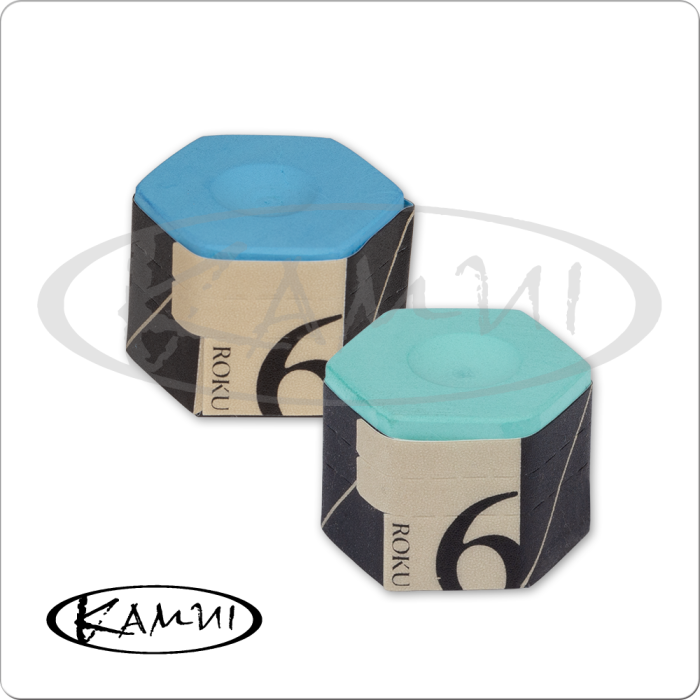
Chalk is the cheapest performance upgrade in pool, and also the most argued over. A cube costs a fraction of what you spend on a tip, yet the wrong chalk, or chalk applied badly, quietly hands you miscues at the worst possible moments. When a draw shot slides off into a scratch or a break stroke deflects the cue ball into the rail, chalk is often the hidden culprit. So the question players keep asking is fair: does premium chalk actually play better than the standard cube, and if so, which one earns the extra dollars?
We stock most of the names that matter, so this is a practical comparison of Kamui, Taom, Predator, and Pagulayan, plus where a reliable mid tier option like Tiger fits. The goal is to help you match a chalk to how you play rather than buy the most expensive box on reputation alone.
What chalk actually does
Chalk is not lubricant. It is the opposite. It increases friction between your tip and the cue ball so that on off center hits, where you are applying english, the tip grips instead of sliding. A slide is a miscue, and even a partial slide you barely notice robs the shot of the spin you intended. That is why chalk matters most on power draw, follow with english, and the break, the exact shots where a slip does the most damage. Better chalk grips more reliably and, in the premium tiers, leaves less residue on the cue ball and cloth while doing it.
Kamui: maximum grip for the spin heavy player
Kamui built its reputation on grip. The chalk is soft and applies heavily, coating the tip in a way that lets confident players load up english without fear of a slide. If your game leans on lots of sidespin and shape that squeezes extra angle out of the cue ball, the grip is genuinely reassuring. The Kamui Roku and the higher end Kamui Kageki sit at the top of the price range for a reason. The tradeoff is residue. Because it applies so heavily, Kamui tends to leave more blue on the cue ball and cloth than the ultra low residue brands, so players who hate cleaning the cue ball may find it messy. For a spin heavy stroke, many feel the grip is worth the cleanup.
Taom: fewer miscues and a cleaner table
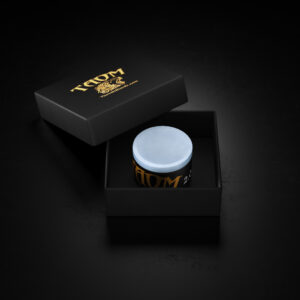
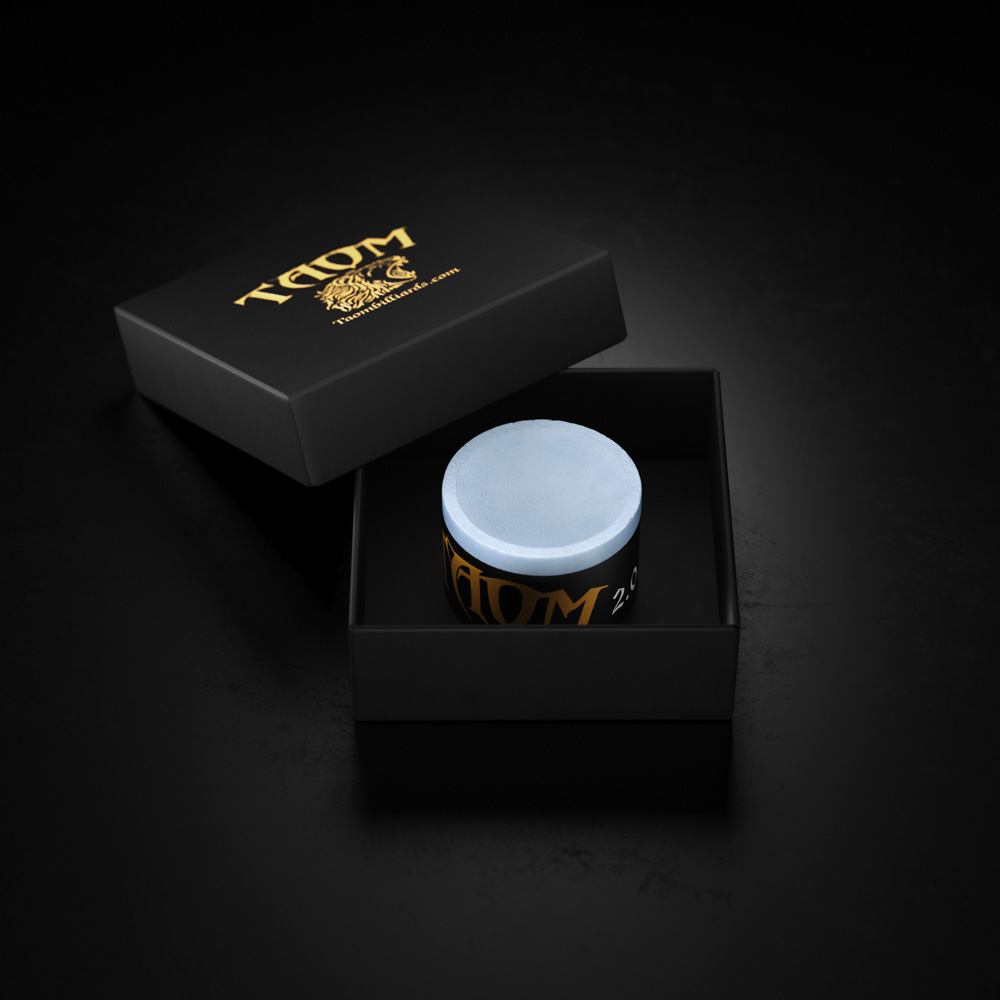
Taom approaches the problem from the other direction. The Finnish chalk is engineered for low residue and a very low miscue rate, and it is known for needing far less frequent application than traditional chalk. You are not caking your tip before every shot, which keeps the cue ball and cloth noticeably cleaner over a long session. The Taom Pool Chalk 2.0 is the everyday workhorse, while the Taom V10 targets players who want maximum consistency with minimal mess. If you play on cloth you care about, or you simply dislike blue hands, Taom is the brand that most directly solves that complaint while still holding the tip on hard shots.
Predator: consistency at a fair price
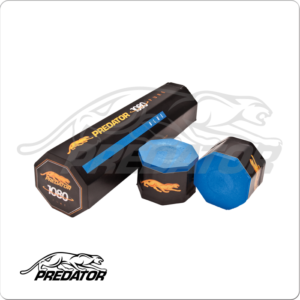
Predator chalk lands in the value sweet spot. It grips dependably, applies cleanly, and comes at a price that makes it easy to keep a cube on every table. The Predator CHPRE five piece pack is a smart buy for a home room or a team, giving you several cubes so nobody is ever hunting for chalk mid rack. It will not have the specialized reputation of the boutique brands, but for the majority of league and recreational players it delivers most of the benefit at a fraction of the fuss.
Pagulayan and the value blue cubes
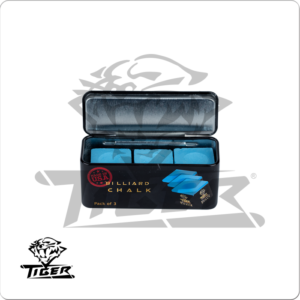
Not every player needs a boutique cube, and there is nothing wrong with that. The Pagulayan Chalk carries a respected name at a friendly price and grips well enough for the vast majority of shots most players face. A dependable mid tier like the Tiger three piece covers the same ground, offering solid grip and consistency without premium pricing. If you are not a heavy english player, these will serve you well and free up budget for a tip or a case.
How to apply chalk so it actually works
The best chalk in the world fails if you use it wrong, and most players do. Grinding the cube down onto the tip and spinning it packs a hard glaze that grips worse, not better, and it wears an uneven crater into the cube. The correct method is gentle. Brush the chalk across the tip with light, even strokes, turning the cue rather than the chalk, and aim to coat the curved edges of the tip where off center hits actually contact the ball. You are trying to leave a thin, even film, not build a blue mountain.
How often you chalk depends on the brand. Traditional and heavy grip chalks like Kamui want a touch before nearly every shot with english. Low residue chalks like Taom are designed to hold for several shots, which is part of why the table stays cleaner. Learn your chalk and build the habit that matches it, because a tip that runs dry between applications is a miscue waiting to happen on the next power stroke.
The anatomy of a miscue
Understanding why a miscue happens makes the whole chalk conversation click. A miscue occurs when the tip cannot hold its grip on the cue ball at the moment of contact and slides across the surface instead. It is most likely when you strike far from center, exactly where you are trying to apply maximum spin, and it is more violent the harder you hit. That is why the break and the big draw shot are the classic miscue moments. Chalk is your insurance on those shots, raising the friction so the tip bites instead of skids.
There is a second, quieter version that costs even more games: the partial miscue you never feel. The tip grips just enough to make the ball but loses part of the intended spin, so your position play comes up short and you blame your speed control when the real fault was grip. Fresh, well applied chalk is what keeps those invisible misses out of your game, and it is the reason a stale cube is more expensive than any premium box.
Featured Pool Chalk at Quarter King Billiards
Here are the chalks compared above, side by side, so you can weigh grip, residue, and price against how you actually play. There is no single best cube for everyone, only the best cube for your stroke.
-
-
Kamui Roku CHKR Chalk – Single
$30.00 Select options This product has multiple variants. The options may be chosen on the product page -
Sale!
-
-
-
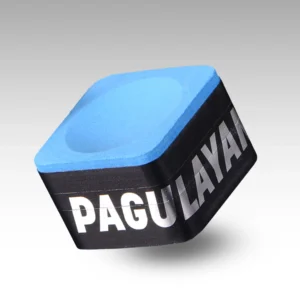
Pagulayan Chalk – Single
$25.00 Select options This product has multiple variants. The options may be chosen on the product page -
-
-
-
So is premium chalk worth it?
For a heavy english player who lives on draw and follow with sidespin, yes. The extra grip of a Kamui or the miscue resistance of a Taom shows up on exactly the shots that decide games, and one avoided miscue in a hill rack pays for the cube many times over. For a casual or center ball player, a value cube like Predator, Pagulayan, or Tiger will cover almost everything you face, and the money is better spent elsewhere. The worst choice is a hard, glazed old cube that has stopped gripping, because that is where miscues are born no matter how good your stroke is.
Whatever tier you choose, replace chalk before it glazes over, apply it with light even strokes rather than grinding it on, and keep a fresh cube on the table. Compare the full lineup in our chalk collection, browse the rest of our accessories, and give yourself the cheapest edge in the game. Keep one on every table you play, treat it as consumable rather than permanent, and think of a fresh cube the same way you think of a sharp tip: a small, ongoing cost that quietly protects every shot you take. The players who never miscue are rarely the ones with the most expensive chalk. They are the ones who keep it fresh and apply it with care.

About Corey Bernstein
Corey Bernstein is a competitive pool player, billiards equipment specialist, and co-owner of Quarter King Billiards in Wilmington, North Carolina. With over a decade of experience in the sport, Corey has competed in regional APA and BCA sanctioned tournaments and maintains an intimate knowledge of cue construction, shaft technology, and table mechanics. As a certified dealer for brands including Predator, McDermott, Jacoby, Viking, Lucasi, Meucci, Joss, and Cuetec, Corey personally tests and evaluates every cue that comes through the shop. His hands-on approach to the business means he has racked thousands of hours behind the table — breaking in shafts, comparing tip compounds, and dialing in the nuances that separate a good cue from a great one. When he is not behind the counter or on the table, Corey is researching the latest advances in low-deflection technology, carbon fiber shaft construction, and cue ball physics. His articles on Quarter King Billiards combine real-world playing experience with deep product knowledge to help players at every level find the right equipment for their game.