 844 408 3056

 Hot Deal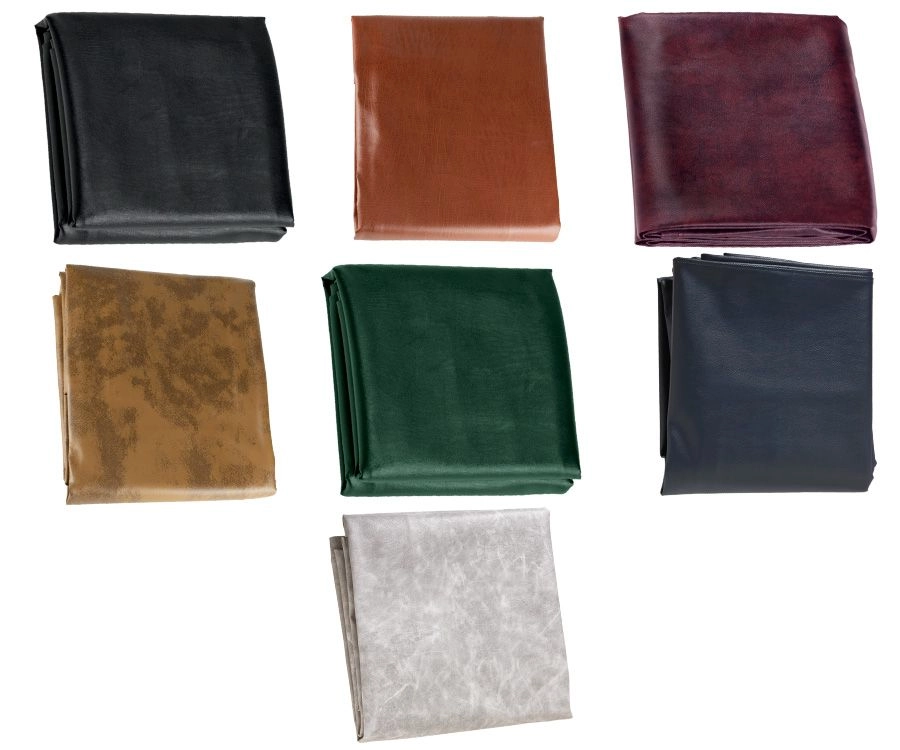
Picking the right size pool table is a decision that touches every part of how you play and how often you play. Get it right and the table earns its footprint by drawing friends, family, and league nights into your space for years. Get it wrong and you end up with a beautiful piece of furniture that nobody ever racks up on. The size question really comes down to three honest answers: how much room you have, what kind of pool you actually want to play, and whether you plan on hosting league or tournament practice. Once you have answers to those, the choice between 7 foot, 8 foot, and 9 foot becomes simple.
Standard Pool Table Sizes In 2026
Pool tables in the United States come in three serious sizes plus a few outliers. The 7 foot table, often called the bar box, is the workhorse of taverns, the official format of the APA and most BCA Pool League events, and the smallest of the three. The 8 foot table is the home standard, where the playing surface measures roughly 44 inches by 88 inches. The 9 foot table is the tournament regulation size used by every professional event including the US Open, the World 9-Ball Championship, the Mosconi Cup, and Predator Pro Billiard Series stops. There are also 8 foot oversized tables, which split the difference and run about 46 by 92 inches of slate.
Snooker tables, English pool tables, and 10 foot Diamond Smart Tables exist as well, but for an American room buyer the question almost always boils down to bar box, home eight, or pro nine. The deeper question is which one fits your room and your goals.
Room Size And The Five Foot Rule
The single biggest factor is whether you have enough space to swing a cue without rebricking your wall every shot. The standard guideline is to add five feet of clearance to every side of the playing surface so a 58 inch cue can stroke freely. That means a 7 foot table needs roughly a 13 by 16 foot room, an 8 foot table needs about a 13.5 by 17 foot room, and a 9 foot table needs about a 14 by 18 foot room. If your room is closer to the minimum, plan to keep a 52 inch shorty cue and a couple of cue extensions on hand to deal with the corner shots that put your butt against drywall.
The honest test is to walk into your room with a tape measure, mark out the playing surface dimensions on the floor with painters tape, then add five feet on every side and see what your furniture has to do to make room. If a couch has to move every game night, the table is too big. If you can leave a chair against the wall and still stroke through, you are fine.
The 7 Foot Bar Box
The 7 foot table is the people pleaser. It plays fast, racks tight, and rewards aggressive cue ball action. Bars and pool halls run them because they fit in tight footprints and turn quickly. League players who run APA, BCA Pool League, or USAPL grow up on the 7 foot because that is what every match and most regional events use. If your goal is to practice for league play and you have a smaller room, the 7 foot is not a compromise, it is the right tool.
The 7 foot table also tends to teach a different set of skills than the 9. Position windows are smaller, banks are tighter, and pattern reading becomes the difference between a runout and a sellout. Cue choice on a 7 foot does not change much, but a slightly forward balanced playing cue like the Lucasi LH40 Hybrid rewards the precise speed control that bar box pool demands.
For 7 foot rooms, plan to drop a 7 foot Championship Challenger cloth on it when the original wears, and a 7 foot heavy duty table cover for any table that lives in a basement or garage where dust is a fact of life.
The 8 Foot Home Standard
The 8 foot table is what most home buyers in the United States end up with, and there is good reason for that. It plays bigger than a bar box without crossing into the room dominating size of a regulation 9. Pockets are usually a touch more forgiving than tournament 9 foot pockets, which means casual players have more fun, while serious players still get a true playing experience.
If you bought the table for game nights with friends and the occasional serious practice session, the 8 foot is probably the smart pick. It also fits in the median American basement or finished room, which means the five foot clearance test is easier to pass. Pair it with a quality general use playing cue like the McDermott G302 or a Cuetec carbon model and you have a setup that works for every game from 8-ball nights to one pocket sessions.
For an 8 foot room, you want an 8 foot Championship Challenger cloth on hand for the eventual recover, and an 8 foot heavy duty cover if the room sees foot traffic, kids, or pets. A good LED billiard table light over the rails turns an 8 foot home setup into something that feels like a real pool room.
The 9 Foot Tournament Table
The 9 foot is where pool gets serious. Every televised event, every Mosconi Cup match, every Predator Pro Billiard Series stop, every world championship 8-ball, 9-ball, or 10-ball final is contested on a 9 foot table with tight pro pockets. If your goal is to develop a tournament game, or you already play in regional opens and want a table at home that does not lie to you about your stroke, you want a 9 foot.
The honest tradeoff is room. A 9 foot table demands roughly 14 by 18 feet of clear floor space, and that is a real ask in most homes. Buyers who get the 9 right usually have a dedicated room or basement for it. Once that condition is met, the 9 foot becomes a teacher. It exposes weak speed control, reveals every flaw in your stroke, and rewards correct cue choice. A premium playing cue with a low deflection shaft like the Predator Throne3 3 or a Pechauer JP02S earns its keep on a 9 foot because the longer shots punish off center hits.
Cover and cloth options scale up too. A 9 foot Championship Challenger cloth handles real recoveries, and a 9 foot heavy duty cover protects the slate between sessions. A Diamond polycarbonate triangle rack is the industry standard for racking on a tournament 9.
How To Choose Between The Three
Here is the short framework. If your goal is APA or BCA Pool League and your room is borderline, buy the 7. If your goal is to host pool nights, watch a Mosconi Cup with friends, and play 8-ball without the table dominating the basement, buy the 8. If you have the room and you are chasing a tournament game, buy the 9 and never apologize for it.
The other question is your honest skill ceiling. A 9 foot will make a beginner work harder, sometimes hard enough to scare them off the game. A 7 foot will make a tournament player feel cramped on the long shots they want to drill. Match the table to who is actually going to be hitting balls on it, not to the table you think you should own.
One More Thing About Resale And Move
Pool tables are heavy. A 7 foot slate runs about 600 pounds total. An 8 foot is closer to 800. A 9 foot can push 1000 pounds when you account for slate, frame, and rails. Moving any of them requires disassembly and a re level on the new floor, which adds real cost. If you are likely to move within five years, the smaller table saves you money on the move and is also the easier resale.
Whatever you pick, build the rest of the room around the table. Browse the pool cues selection for a primary playing cue and a backup, add a break cue matched to the table size, and stock the room with a cover, a cloth replacement, a light, and a couple of racks. The table is a starting point. The room is the experience.
Final Word
A pool table is a long term commitment. The right size is the one that you and the people in your house will actually walk over to and rack up on most weekends, year after year. For league grinders and tight rooms, that is the 7. For most American homes, that is the 8. For tournament hopefuls and dedicated rooms, that is the 9. Be honest about your room, honest about your game, and the right answer almost picks itself.

About Corey Bernstein
Corey Bernstein is a competitive pool player, billiards equipment specialist, and co-owner of Quarter King Billiards in Wilmington, North Carolina. With over a decade of experience in the sport, Corey has competed in regional APA and BCA sanctioned tournaments and maintains an intimate knowledge of cue construction, shaft technology, and table mechanics. As a certified dealer for brands including Predator, McDermott, Jacoby, Viking, Lucasi, Meucci, Joss, and Cuetec, Corey personally tests and evaluates every cue that comes through the shop. His hands-on approach to the business means he has racked thousands of hours behind the table — breaking in shafts, comparing tip compounds, and dialing in the nuances that separate a good cue from a great one. When he is not behind the counter or on the table, Corey is researching the latest advances in low-deflection technology, carbon fiber shaft construction, and cue ball physics. His articles on Quarter King Billiards combine real-world playing experience with deep product knowledge to help players at every level find the right equipment for their game.