 844 408 3056

 Hot Deal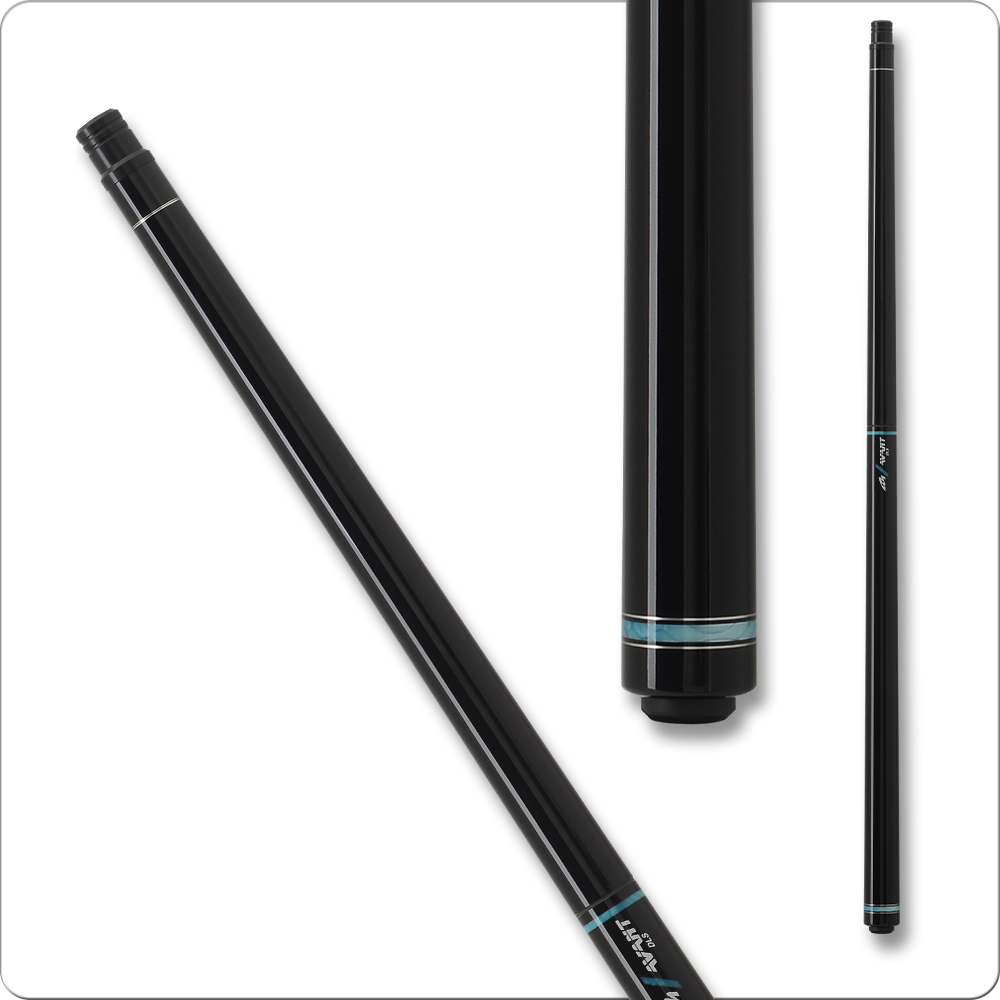
Aloysius Yapp lifted the trophy at the 2026 Yalin WPA Men’s 8-Ball World Championship in St. Louis, taking down Spain’s Francisco Sanchez Ruiz 10-4 in a final that was equal parts tense and instructive. The week-long event at the Hyatt Regency drew a stacked field, with names like Shane Van Boening, Fedor Gorst, Jayson Shaw, and Albin Ouschan all taking shots at the title before bowing out. By the time Yapp put his hand on the cue ball for that final 8 ball, he had already shown a brand of 8-ball that looks less like a sprint and more like a long, careful conversation with the table. Pool players who watched the broadcast walked away talking about pattern play, defensive reads, and how willingly Yapp turned safeties into runs.
That style is worth dissecting because 8-ball at the world championship level is a different animal than the 9-ball most American leagues default to. The rack is full. The clusters are real. Choices made on the 1, 2, and 3 ball can decide whether the rest of the game is a clean execution or a five-rail rescue mission. Yapp’s quiet domination in St. Louis is a reminder that the cue and the shaft you trust matters less than the discipline of choosing the right shot at the right time.
What Yapp’s Run Actually Looked Like
Yapp came into St. Louis as a Singapore-based pro with a deep resume in 9-ball, but his 8-ball pedigree has been climbing for years. Through the bracket, he never seemed rushed. Watch the slow-motion replays on the official Pro Billiard Series feeds and you see the same pre-shot rhythm shot after shot. He sets the bridge, looks at the cue ball, looks at the object ball, returns to the cue ball, and only then pulls the trigger. The second look is where most amateurs leak rack-winning errors. They commit too early to a line and never re-confirm the contact point.
The other thread running through Yapp’s matches was his willingness to play patient. Against Sanchez Ruiz in the final, he passed up two reasonable cut shots into the side that would have left him with thin position on the next ball. He played a soft safety instead, hooked his opponent behind two of his own, and got a ball-in-hand response on the next inning. Modern 8-ball at this level is a chess match where the rack rewards the player who can resist the urge to fire away.
Pattern Play Is Where Amateurs Hand Away Racks
The single biggest gap between a 500-rated APA player and a touring pro is not how hard they hit shots. It is the order they choose to make the balls in. Walk through the second rack of the Yapp final and the answer is right there. He took the 7 ball off the side rail before touching the 5, even though the 5 was already in line for the corner. The reason was simple. The 7 cleared a lane the cue ball needed to use later for the 8. Choosing the 5 first would have left him fighting the same 7 ball for the rest of the rack.
The drill behind that habit is unsexy. Drop fifteen balls at random, decide whether you are solids or stripes, and then sit on your hand for thirty seconds before you move. Pick a key ball, the one that lets you reach the 8 cleanly. Pick a problem ball, the one that traps cue ball lanes if you leave it for last. Then plan the order in reverse from the 8 backwards. Players who do this drill three times a week stop losing 8-ball racks to bad order alone.
Choice of cue plays a supporting role here. A clean, predictable hit lets you trust your position numbers. A cue with a wandering tip or an old worn ferrule will introduce squirt that you compensate for unconsciously, which is the enemy of pattern play. If you are upgrading your playing cue and want something with the kind of consistent strike Yapp gets out of his Mezz, the Mezz Avant ZZAVN with the Sigma shaft sits right in that zone of pro-grade feel without the custom-build wait list.
Safety Play Was The Real Story
Yapp won at least four games in the bracket on the back of a single locked-up safety. That is not a coincidence. Top 8-ball pros treat safeties as a primary weapon, not a last resort. The math is brutal. A well-played safety usually returns ball-in-hand. Ball-in-hand at the world championship level converts into a runout more than seventy percent of the time. So a single great safety is worth roughly the same as making three balls cleanly.
The version most amateurs miss is what coaches call the two-way shot. You aim at a ball you might pocket, but you choose the speed and the cue ball line so that if it does not drop, you still leave your opponent locked. Yapp played one of those in his quarterfinal that the commentators kept replaying. The ball was a thin cut into the corner, hit at a deliberately soft pace, with the cue ball drifting onto the long rail behind a cluster. He rolled the dice on the cut and lost it, but the safety result was identical to a planned snooker. That blend of offense and defense is the next level above just running balls.
If you want to drill safety play at home, take the same fifteen-ball setup and force yourself to play three safeties before any pocket. You will hate it for a week and your runouts will get tighter for a year. A break cue that gives you ball-in-hand opportunities through a clean hit instead of luck also helps. The Predator Black BK Rush Break Cue is the tool a lot of touring 9-ball pros use because it plants the cue ball in the middle of the table off a clean rack, which is half the safety battle before a shot is even taken.
Tempo and the Pre-Shot Routine
Watching Yapp on the broadcast, the thing that jumps out alongside his pattern is his tempo. Every shot took roughly the same amount of time. He did not speed up when he was up in the score and he did not slow down when he was behind. That kind of metronomic delivery is how players survive long matches without leaking concentration.
You can build that tempo at home with a stopwatch. Shoot a ten-ball ghost match and time the pre-shot routine for every shot. The variance between your fastest and slowest shot should be under two seconds once you have it dialed in. If your routine balloons whenever the shot gets harder, you are telegraphing tension to the cue ball and bleeding accuracy. The cue ball does not care which round you are in. It cares about the same delivery every time.
Equipment Notes From The Final
Yapp plays a Mezz with a low-deflection Sigma shaft. Sanchez Ruiz plays a Predator with a Revo carbon fiber shaft. Two different schools of low-deflection technology, both built around the same philosophy. Reduce the squirt off the cue ball when you apply english, and your alignment becomes more honest. Whichever camp you fall into, the lesson for buyers is the same. Sticking with a worn-out maple shaft and trying to “play through” it costs you more than a shaft upgrade ever will.
For Mezz fans browsing options, the Mezz Sneaky Pete ZZSP01 is a popular gateway into the brand for league players who want pro-level performance without the higher-tier price. For Predator-curious buyers, the Predator Throne3 3 shows what the company’s flagship line offers when paired with their Revo shaft. Both deliver the kind of consistent strike that lets your routine and your pattern play actually show up on the score sheet.
If you want to browse the broader inventory of cues at every price tier, our full pool cues category has playing cues, break cues, and jump cues from the brands the touring pros actually use, along with full break cues selection for players who want a dedicated breaker.
What To Take Into Your Next League Night
Yapp’s championship was not built on a single trick shot. It was built on hundreds of small, correct decisions. Pick your key ball before the rack starts. Take the safety when the cut is wrong. Keep your tempo steady through the pressure shots. And give yourself equipment you trust, because every ounce of doubt in your cue is an ounce of position that escapes you. The 2026 8-Ball World Championship will be remembered for the controversial winning shot, but the better story is the discipline that got Yapp to the position where one shot could end it.

About Corey Bernstein
Corey Bernstein is a competitive pool player, billiards equipment specialist, and co-owner of Quarter King Billiards in Wilmington, North Carolina. With over a decade of experience in the sport, Corey has competed in regional APA and BCA sanctioned tournaments and maintains an intimate knowledge of cue construction, shaft technology, and table mechanics. As a certified dealer for brands including Predator, McDermott, Jacoby, Viking, Lucasi, Meucci, Joss, and Cuetec, Corey personally tests and evaluates every cue that comes through the shop. His hands-on approach to the business means he has racked thousands of hours behind the table — breaking in shafts, comparing tip compounds, and dialing in the nuances that separate a good cue from a great one. When he is not behind the counter or on the table, Corey is researching the latest advances in low-deflection technology, carbon fiber shaft construction, and cue ball physics. His articles on Quarter King Billiards combine real-world playing experience with deep product knowledge to help players at every level find the right equipment for their game.