 844 408 3056


 Hot Deal
On September 8, 2026, the World Nineball Tour announced that Niels Feijen will captain Team Europe at the 2026 Mosconi Cup. The Dutchman is no stranger to the event. He made his Mosconi Cup debut as a player back in 2001, and over the years since he has lifted the trophy eight times and been named MVP a record four times, more than anyone else in the event’s history.
Europe has won six Mosconi Cups in a row and will be chasing a seventh straight title this November. Team USA, meanwhile, is trying to take the trophy back on home soil. The matches run November 27 to 30, 2026, at the Caribe Royale Resort in Orlando, Florida, and tickets are already on sale.
A Thirty-Year Friendship Between Two Captains
Team USA confirmed Johan Ruijsink as its captain back in April 2026, which means the two men leading these squads have known each other for three decades. Feijen has said he first met Ruijsink when he was sixteen years old, and the two have worked together and stayed close friends ever since. Feijen described facing his old friend as an opposing captain as “intense and fun.”
The job itself is less about strategy calls and more about state of mind. Feijen has said his role is to keep his players mentally ready for race-to-five matches and for the weight of representing an entire continent. He has also noted that the level of play in Europe keeps rising as the qualification cutoff draws closer, which only raises the pressure on everyone fighting for one of those five roster spots.
None of that job description is really about pool. A Mosconi Cup captain sets pairings for the doubles matches, and a smart pairing is less about who has the flashiest game and more about who complements the other, one steady long-game player next to a shot-maker who can bail out a tough rack. Captains also manage the mood on the bench between matches, since keeping five players calm and confident under that kind of pressure matters as much as any shot selection.
Emily Frazer, the CEO of Matchroom Multi Sport, pointed out that the two captains share a history that goes back decades and called Feijen one of the best players the Mosconi Cup has ever seen.
The Qualification Race Heats Up
Each side fields five players at the Mosconi Cup. Under the structure the World Nineball Tour confirmed in April, the top three players on each side’s one-year ranking list, which counts every event after the 2025 Philippines Open, earn automatic spots, and two wildcard selections complete each five-player lineup. Right now Francisco Sanchez Ruiz of Spain sits atop the European standings. He locked up his second US Open title in August 2026 in Frisco, Texas, closing out the final 13-12. The qualification cutoff will be confirmed once the Philippines Open Pool Championship wraps up, which runs October 20 to 24, 2026, so there is still time for other names to move up the list before the automatic places are settled.
That format means three of the five seats are earned at the table over a full season, and the last two come down to the captain’s judgment. Every result across the year counts toward the one-year list, so a hot stretch like the one Sanchez Ruiz is having can carry a player into the top three almost on its own. It also means the European picture can still shift in the weeks before the cutoff, and the wildcard picks give Feijen room to reward form, doubles chemistry, or nerve, which is exactly why the Philippines Open carries so much weight this October.
Why Race-to-Five Pool Comes Down to the Break
Mosconi Cup matches, both singles and doubles, are races to five racks, and the event uses alternate break, so every player breaks every other rack rather than just the winner breaking on. In a longer race that single dry break or a scratch on the break might be a blip you recover from over the next hour. In a race to five there is no such cushion. One missed break, one ball that does not fall and leaves the table wide open, and the rack, sometimes the match, is gone before your opponent even has to work for it.
That is worth remembering the next time you are lagging for the break in a league match. A good break is not about swinging as hard as you can. It is a controlled, repeatable hit: square contact on the head ball, the cue ball settling somewhere near the center of the table, and the same speed you practiced, not the speed you feel like using in the moment. Run the same pre-shot routine on the break that you run on every other shot instead of treating it as a separate swing. And if you play doubles, decide before the match who breaks and stick with it, the same way alternate break forces both Mosconi Cup players to own their turn at the rack.
The team format has its own lessons too, separate from the break itself. If you play in a league doubles division, think about pairing up with someone whose game covers what yours does not, a strong safety player next to someone who runs out when the table opens up. Decide ahead of time, not mid-rack, who takes the break in an alternating format, and treat every miss on the bench the same way a good captain does, as something to shrug off and reset from rather than something to carry into the next rack.
Featured Break Cues at Quarter King
If you are looking to build a dedicated break cue instead of beating up your good playing cue, Quarter King carries a full lineup of break cues built for exactly this job, alongside the rest of our pool cues selection. A separate break cue means you can run a hard phenolic or synthetic tip and a stiffer shaft without wearing down the softer tip on your regular playing cue, and several of these models double as jump cues too.
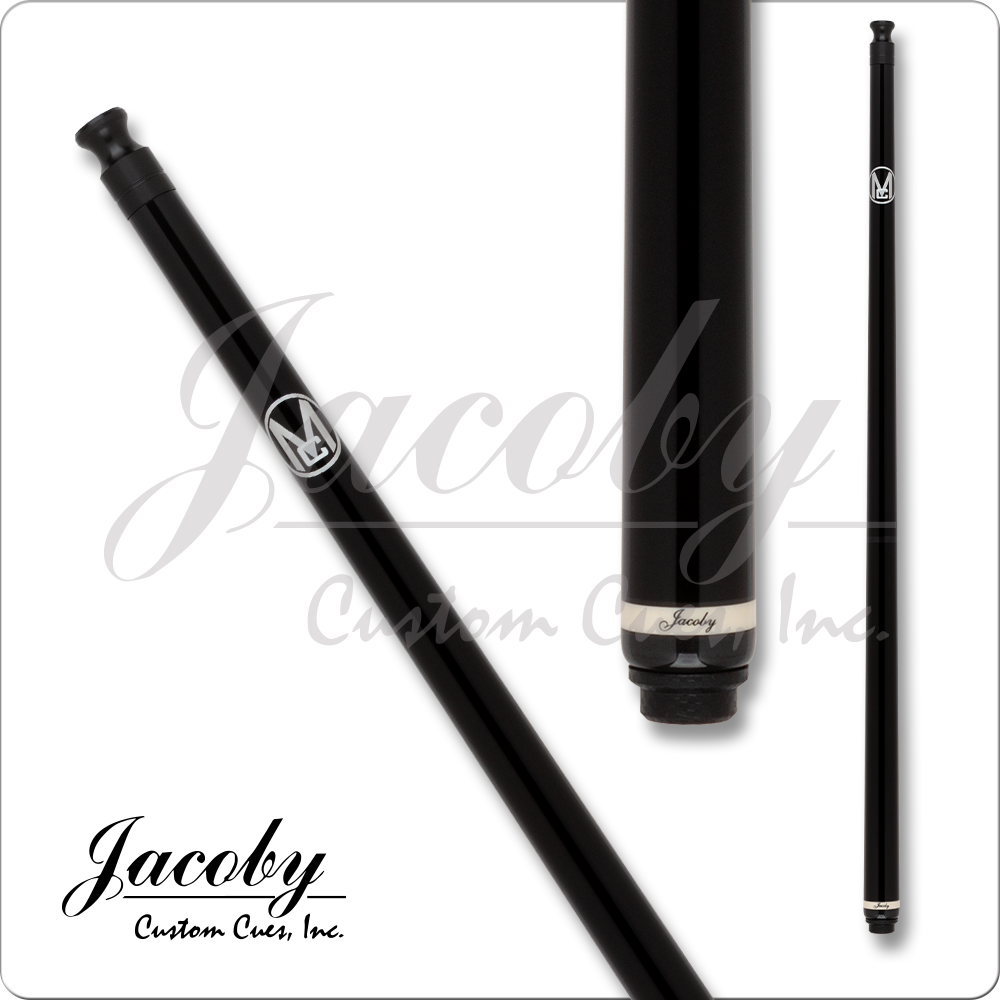
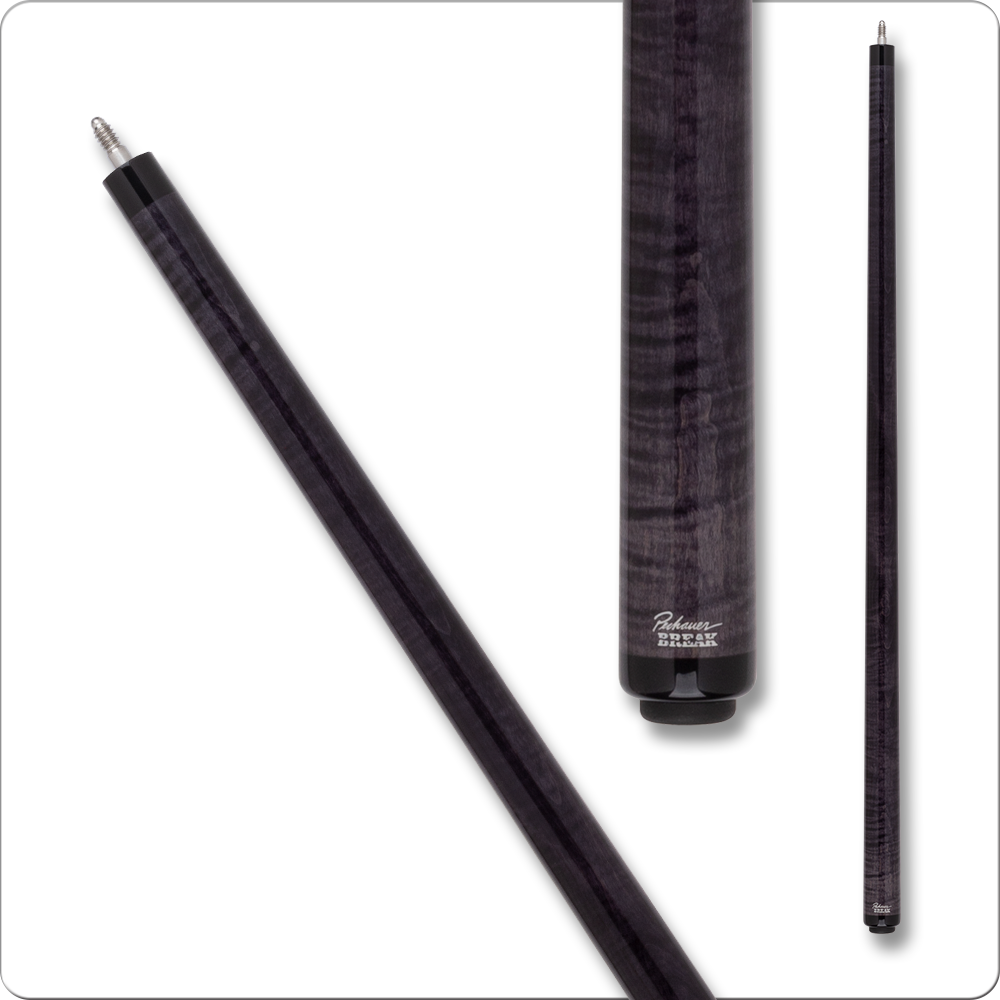
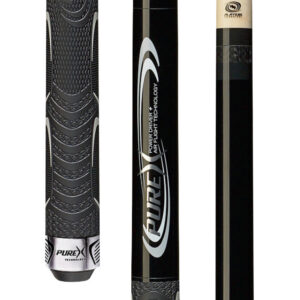
The Jacoby Monster Crush No Wrap in black runs $695 and pairs a 29 inch V4 Cut-Break carbon fiber shaft with a hard Horo Black Storm tip, weight changeable so you can dial in exactly how much cue you want swinging through the ball. The Pechauer Naked JPBKR with a Rogue carbon shaft, at $750 and handcrafted in Green Bay, Wisconsin, is built wrapless with a curly maple forearm and a synthetic C4+ tip on that stiff Rogue shaft, backed by a lifetime warranty. For players who also need a jumper, the Pure X HXT 5-in-1 Jump/Break Cue at $429 breaks down into five different configurations, from a short 35.5 inch dart jumper up to a full 58 inch break cue, using quick-release joints. And the Players JB9 Jump/Break Cue at $252 is a maple and zebrawood half-and-half cue built from North American hard rock maple, with a lifetime guarantee against warpage, making it an easy first break cue for a league player who has never owned one.
We also stock Poison VX break cues in the same lineup if you want another option to compare side by side before you decide.
-

-
-
-
-

-
-

-
What to Watch Before Orlando
Between now and the Mosconi Cup, the biggest date on the calendar is the Philippines Open Pool Championship, October 20 to 24, 2026, which locks in the qualification cutoff and settles the three automatic places before Feijen and Ruijsink each add two wildcards. Francisco Sanchez Ruiz heads into that stretch with the top spot in the European standings after his US Open win, but the rankings are not finalized yet, and Feijen has already said the level of play keeps climbing as the deadline nears. Add in the storyline of two captains who have known each other for thirty years and a Team USA side hungry to win on home soil for the first time since 2019, and this edition in Orlando has a lot riding on it before a single rack is racked.
Whatever you take away from the Mosconi Cup this year, a reliable break is not a bad thing to have in your case before your own league season heats up. Stop by Quarter King Billiards in Wilmington or browse our break cues online, and if you want to compare notes on jump cues while you are at it, our jump cues category is worth a look too.

About Corey Bernstein
Corey Bernstein is a competitive pool player, billiards equipment specialist, and co-owner of Quarter King Billiards in Wilmington, North Carolina. With over a decade of experience in the sport, Corey has competed in regional APA and BCA sanctioned tournaments and maintains an intimate knowledge of cue construction, shaft technology, and table mechanics. As a certified dealer for brands including Predator, McDermott, Jacoby, Viking, Lucasi, Meucci, Joss, and Cuetec, Corey personally tests and evaluates every cue that comes through the shop. His hands-on approach to the business means he has racked thousands of hours behind the table — breaking in shafts, comparing tip compounds, and dialing in the nuances that separate a good cue from a great one. When he is not behind the counter or on the table, Corey is researching the latest advances in low-deflection technology, carbon fiber shaft construction, and cue ball physics. His articles on Quarter King Billiards combine real-world playing experience with deep product knowledge to help players at every level find the right equipment for their game.