 844 408 3056

 Hot Deal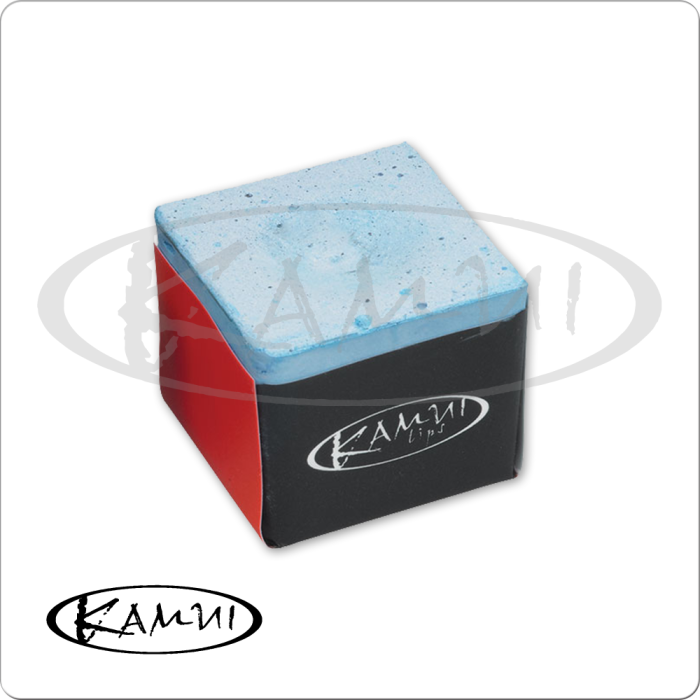
Chalk is the cheapest piece of equipment a serious pool player buys and the one most often picked by accident. The cube on the rail of your local room is probably Masters or generic blue, and that is fine for casual play, but the moment you start chasing english, breaking with phenolic tips, or fighting miscues on draw shots in air-conditioned tournament rooms, the chalk on your tip becomes a real variable. The 2026 chalk market gives players five legitimate options to consider, and the differences between them are measurable on the table even if they are small.
The shift over the last several years has been away from soft loose-pigment chalk like classic Masters and toward harder, cleaner-burnishing compounds that adhere to the tip in a thin even layer instead of dusting off in fine particles. The fastest way to tell a modern chalk from a legacy chalk is to apply it and then rub the side of your finger across the tip. Modern chalks leave a smooth matte coat. Legacy chalks shed visible powder.
Master: the baseline every player should know
Masters chalk is still the most poured chalk in pool. It is the chalk on the rail at most APA, BCA, and TAP league rooms, and it is the chalk your tip was almost certainly broken in with. Master is loose-pigment, ships in cubes wrapped in paper, and sells for roughly fifty cents a cube in bulk. Our Master Chalk box of 144 cubes is the standard reorder for league captains and pool room operators because it costs less than ten cents per cube delivered.
Masters works. Players have won world titles with it. The reasons to leave Masters are three: it sheds a lot of pigment onto the cloth and the table rail, it inconsistently coats a tip in a humid room, and the cube itself softens and crumbles faster than modern chalks. For practice and for league play on a 7-foot bar table that is already covered in chalk dust, none of that matters. For tournament play on Simonis 860 or Andy 988 cloth that you would prefer not to coat in blue grit, all of it matters.
Predator: chalk that matches the rest of the system
Predator chalk shipped in three formulations in 2026 and each has a real role. The Predator CHPRE 5-piece is the workhorse Predator cube and is the chalk most players have on their case strap. The Predator Pure CHPURE is the cleaner, harder formulation aimed at players who want minimal cloth transfer, and the Predator Crest CHPREC is the higher-priced premium cube in the Predator line.
Predator chalk is the right pick for players already invested in the Predator shaft family. The chalk grain works particularly well on the Predator Victory and Victory Soft tips that ship on most REVO and Z-3 shafts. If you run a low deflection shaft and you spin the cue ball often, Predator Pure has the best documented miscue resistance of the three.
Kamui: the high-friction Japanese standard
Kamui is the chalk a lot of advanced players move to when they decide miscue resistance is worth real money. The line is built around grain size, and the numbers in the product name refer to coefficient of friction values that Kamui publishes openly. The Kamui 1.21 CHK121 is the higher-friction cube of the two, and the Kamui 0.98 CHK98 is the slightly lower-friction option that many players find feels more like a refined Masters.
Kamui also ships two premium SKUs. The Kamui Roku is positioned as a clean, low-cloth-transfer cube for players who care about table maintenance. The Kamui Kageki is the high-friction tournament cube that pairs well with layered tips and aggressive english shots. Kageki is the cube we hand to players who tell us they are missing draw shots they used to make on Masters.
Taom: the cleanest cloth in the building
Taom chalk gets bought for one reason. It does not transfer to the cloth. Or rather, it transfers so little that table operators love it and team room owners have started buying it specifically so the cloth on their nine-foot tables lasts an extra season.
The Taom Pool Chalk 2.0 is the current flagship from Taom for pool. The Taom V10 is a softer-feeling cube some players prefer for follow shots, and the Taom Pyro Pink Edition and Taom Pyro Blue are the higher-priced Pyro line that targets the tournament market.
Players who switch to Taom usually keep one Masters cube on their case for warmups because Taom feels noticeably different on the first stroke after a tip burnish. Once your tip is coated, Taom holds. It is the chalk we point cue makers and table mechanics toward when they ask which cube to put on the table at the showroom.
Mezz, Tiger, Navigator, and the rest
The Mezz Smart Chalk is built around the same low-transfer philosophy as Taom and is the chalk many Mezz cue owners stay loyal to. The Tiger CHTIG 3-piece is a value-tier alternative to Kamui at roughly a third of the price per cube and works well with Tiger Sniper, Tiger Onyx, and other Tiger tips.
The Navigator chalk is the cube Navigator tip users almost universally pair with their shafts, and the Pagulayan chalk is the high-friction signature cube positioned squarely against Kamui Kageki. The Turning Point 7500 is the most recent premium option and is sized larger than typical cubes for players who do not want to refill chalk holders weekly.
How to pick the right chalk for how you play
Three questions decide the chalk that belongs on your tip. The first is the tip itself. Hard layered tips like Kamui Black Hard, Tiger Sniper, and Predator Victory Hard pair best with high-friction chalks like Kageki, Kamui 1.21, or Predator Pure. Softer tips like Kamui Black Medium or Predator Victory Medium tend to grab Masters and standard Kamui without issue.
The second question is your stroke. Players who use a lot of english and aim near the edge of the cue ball miscue more often, which means high-friction chalks earn their price tag for them. Players who play mostly center-ball with controlled spin can run Masters or a standard Kamui and never feel a difference.
The third question is where you play. League rooms with shared chalk forgive a lot of variation. Tournament rooms with hush rules and well-kept cloth reward chalks that do not shed. If you travel to events on Simonis 860, you should be carrying a Taom or a Predator Pure cube and applying it after every two or three innings rather than every shot.
Our practical chalk picks for 2026
For a league player who wants one upgrade from Masters and does not want to think about it again for a year, the answer is a Kamui 1.21 single cube clipped to a chalk holder on your case strap. For a tournament player who already runs a Predator REVO or Z-3, the answer is a Predator Pure for travel and a Taom 2.0 for the home table where you want zero cloth transfer.
You can browse the full chalk lineup in our chalk category, build out a complete tournament kit through our pool cue cases section with a dedicated chalk pocket, and see how chalk pairs with the cues we recommend in the broader pool cues collection. The cheapest upgrade you can make to your game in 2026 is the cube on your rail. The right chalk costs less than the difference between a Masters cube and a Kamui Kageki, and the right cube on a properly burnished tip changes how often you miscue on the shots that decide a rack.

About Corey Bernstein
Corey Bernstein is a competitive pool player, billiards equipment specialist, and co-owner of Quarter King Billiards in Wilmington, North Carolina. With over a decade of experience in the sport, Corey has competed in regional APA and BCA sanctioned tournaments and maintains an intimate knowledge of cue construction, shaft technology, and table mechanics. As a certified dealer for brands including Predator, McDermott, Jacoby, Viking, Lucasi, Meucci, Joss, and Cuetec, Corey personally tests and evaluates every cue that comes through the shop. His hands-on approach to the business means he has racked thousands of hours behind the table — breaking in shafts, comparing tip compounds, and dialing in the nuances that separate a good cue from a great one. When he is not behind the counter or on the table, Corey is researching the latest advances in low-deflection technology, carbon fiber shaft construction, and cue ball physics. His articles on Quarter King Billiards combine real-world playing experience with deep product knowledge to help players at every level find the right equipment for their game.