 844 408 3056

 Hot Deal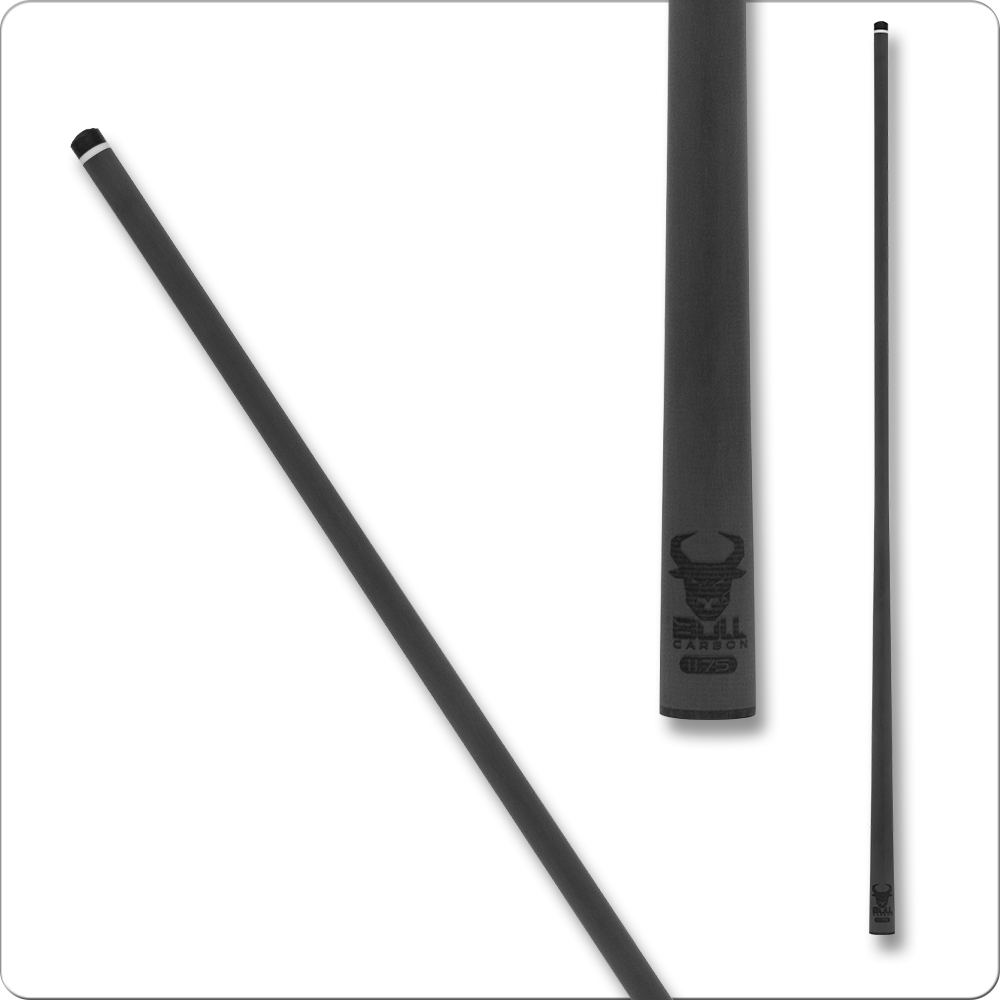
Few shots feel as satisfying as a clean draw. You strike the cue ball, it rolls forward into the object ball, then reverses and pulls straight back toward you as if it is on a string. Beginners treat draw like a party trick. Strong players treat it as a control tool that turns a decent runout into an easy one. The difference between those two mindsets comes down to technique, and to a lesser but real degree, to equipment. Here is how to build draw you can trust under pressure.
What Actually Creates Backspin
Draw happens when you strike the cue ball below its center, sending it forward while it spins backward. When that backspin survives the trip to the object ball, friction with the cloth grabs the ball on contact and hauls it back toward you. The physics are simple to state and hard to execute, because three things have to line up at once. You need to hit low enough, you need to accelerate through the ball with a level cue, and you need a tip that holds chalk so it does not slide off the bottom of the ball.
The most common mistake is not hitting low enough. Players think they are striking near the bottom when they are actually contacting just under center, which produces a stun or a weak follow instead of draw. Aim for a tip’s width below center to start, and get comfortable with how far below the equator you can go before you risk a miscue. That miscue limit is a real edge of the cue ball, and finding it in practice is how you learn your true range.
The Level Cue and the Follow Through
A raised butt kills draw faster than anything. When the back of your cue lifts, you drive down into the ball and force it into the cloth, which converts your backspin into a small hop and a lot of wasted energy. Keep the cue as level as the rail height allows, and let your bridge stay low. On most shots your grip hand should finish near your chest or hip, not stopped short at the ball. That full, smooth follow through is what carries backspin all the way to the object ball.
Speed matters too, but not the way most people assume. You do not need to hit hard. You need to accelerate smoothly and let the tip stay on the ball for that extra instant. A relaxed grip helps here. Squeeze the butt and your stroke gets jerky, the tip decelerates at contact, and the draw dies. Loosen your hand, swing freely, and you will pull the ball back with a fraction of the effort you expected.
Where Equipment Earns Its Keep
Technique comes first, always. But once your fundamentals are sound, the cue in your hands changes how repeatable your draw becomes. This is where a low-deflection carbon fiber shaft quietly helps. Carbon shafts are stiff and consistent, they resist the warping and humidity swings that plague maple, and their lower deflection means the cue ball goes closer to where you aim when you apply spin. That predictability is exactly what you want when you are reaching for maximum draw and cannot afford a surprise. Browse the full carbon fiber shaft collection to see the range of tapers and tip sizes available.
Featured Carbon Fiber Shafts
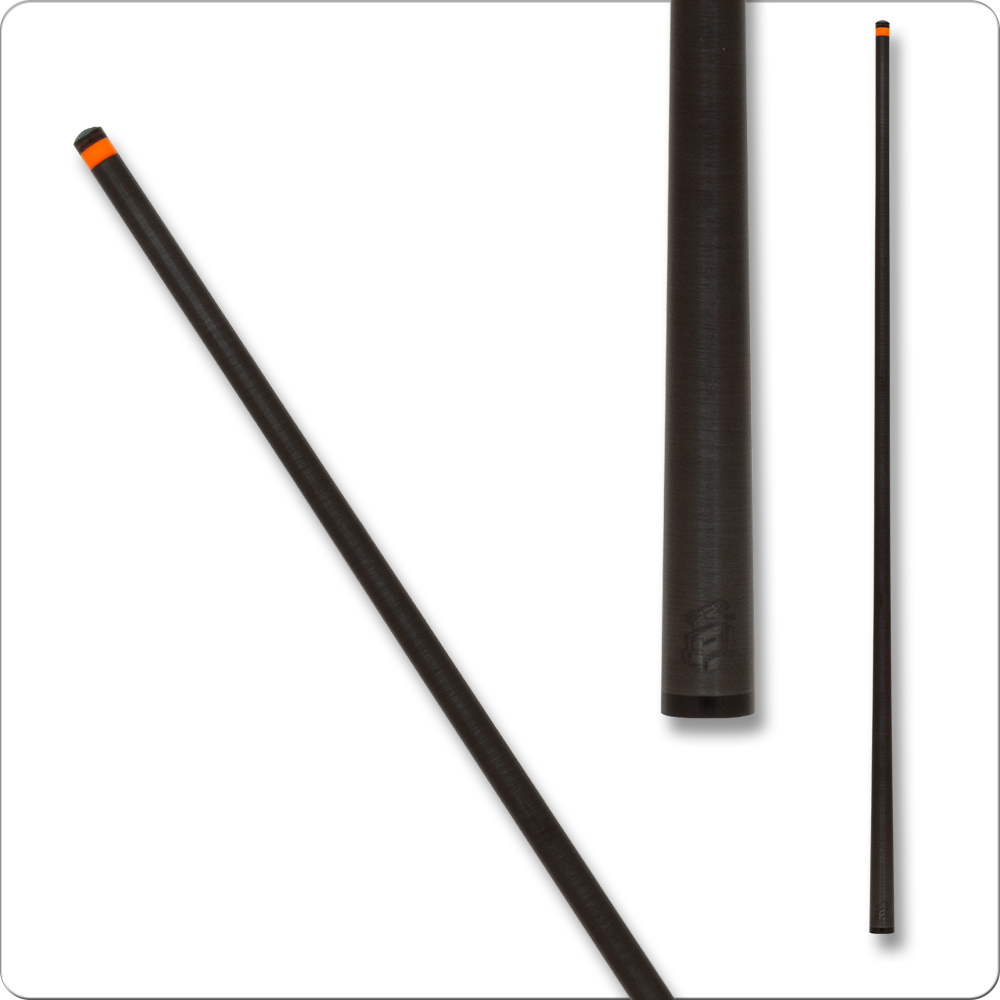
The shafts above cover a wide span of budgets and playing styles. The Bull Carbon BCF shaft and the Tiger Fortis Pro carbon fiber shaft sit toward the premium end, with the kind of finish and consistency that serious players notice on draw and follow shots alike. If you want carbon performance without the flagship price, the Scorpion carbon fiber playing shaft and the Fury AF Series carbon fiber shaft deliver the stiffness and low deflection that make spin more predictable, at a friendlier number. Check the joint type on your cue before ordering so the shaft threads match.
The Tip Is Half the Battle
You can own the best shaft made and still miscue on draw if your tip is worn slick or shaped wrong. A tip needs a slight dome, roughly the curve of a nickel or a dime depending on your preference, so that it can contact the lower part of the cue ball without sliding off. It also needs to hold chalk. Dress the tip so chalk grips, chalk before every draw attempt, and replace a tip that has flattened and hardened. A fresh, properly shaped tip does more for your draw than almost any other upgrade. Explore the tips and tip tools selection if yours is due for attention.
Drills That Build Real Draw
Start close. Place the cue ball and object ball about a foot apart with a pocket straight ahead, and try to draw the cue ball straight back to your tip after potting. Once you can do that reliably, add distance between the balls, which forces your backspin to survive longer before contact. Then vary how far you draw the cue ball back, aiming for a specific spot rather than just as far as possible. Control is the goal, not raw distance. A player who can draw the cue ball a precise two feet on demand is far more dangerous than one who can only send it flying with no target.
Finish your sessions with a stop shot check. If you strike slightly below center with the right speed and the cue ball stops dead on contact, your stroke is level and clean. If it draws back when you meant it to stop, you are hitting lower or accelerating more than you think, which is useful information. Draw and stop shots live on the same spectrum, and mastering both gives you the full range of cue-ball control that separates position players from hopeful ones.
Draw, Stun, and Follow on One Spectrum
Draw is one end of a range that runs through stun in the middle and follow at the top. Where you strike the cue ball vertically decides which one you get, and great position play is mostly about choosing the right point on that scale for the shot in front of you. Follow, struck above center, sends the cue ball forward after contact and is the natural choice when your next ball sits down table. Stun, struck at center with the right speed, stops the cue ball or sends it along the tangent line and is priceless for holding position. Draw pulls the cue ball back toward you for the times when your next shot is behind you. A player who can move smoothly among all three has an answer for almost any layout.
The reason draw gets so much attention is that it is the hardest of the three to produce on demand, especially over distance. That difficulty is exactly why it is worth drilling. Every hour you spend grooving a reliable draw stroke pays off across your whole game, because the same low, level, accelerating stroke that produces draw also cleans up your stun and follow. You are not just learning one shot. You are building the stroke mechanics that hold up all of your cue-ball control.
One more habit separates strong players here. They decide on the spin they need before they get down on the shot, not after. Standing behind the cue ball, they picture where it has to finish, choose draw, stun, or follow, and only then settle into their stance. Making that decision early keeps the stroke committed and stops the last-second steering that ruins so many draw attempts.
Put It Together
Draw is not a gift that some players are born with. It is a repeatable skill built on a low, level stroke, a relaxed grip, a smooth follow through, and a tip that holds chalk. Add a consistent carbon shaft once your fundamentals are solid, and your good draw shots become your normal draw shots. If you are ready to take the equipment side seriously, compare the options and pair the right shaft with your cue. You can also browse the broader pool cue lineup if you are building a setup from scratch.

About Corey Bernstein
Corey Bernstein is a competitive pool player, billiards equipment specialist, and co-owner of Quarter King Billiards in Wilmington, North Carolina. With over a decade of experience in the sport, Corey has competed in regional APA and BCA sanctioned tournaments and maintains an intimate knowledge of cue construction, shaft technology, and table mechanics. As a certified dealer for brands including Predator, McDermott, Jacoby, Viking, Lucasi, Meucci, Joss, and Cuetec, Corey personally tests and evaluates every cue that comes through the shop. His hands-on approach to the business means he has racked thousands of hours behind the table — breaking in shafts, comparing tip compounds, and dialing in the nuances that separate a good cue from a great one. When he is not behind the counter or on the table, Corey is researching the latest advances in low-deflection technology, carbon fiber shaft construction, and cue ball physics. His articles on Quarter King Billiards combine real-world playing experience with deep product knowledge to help players at every level find the right equipment for their game.