 844 408 3056

 Hot Deal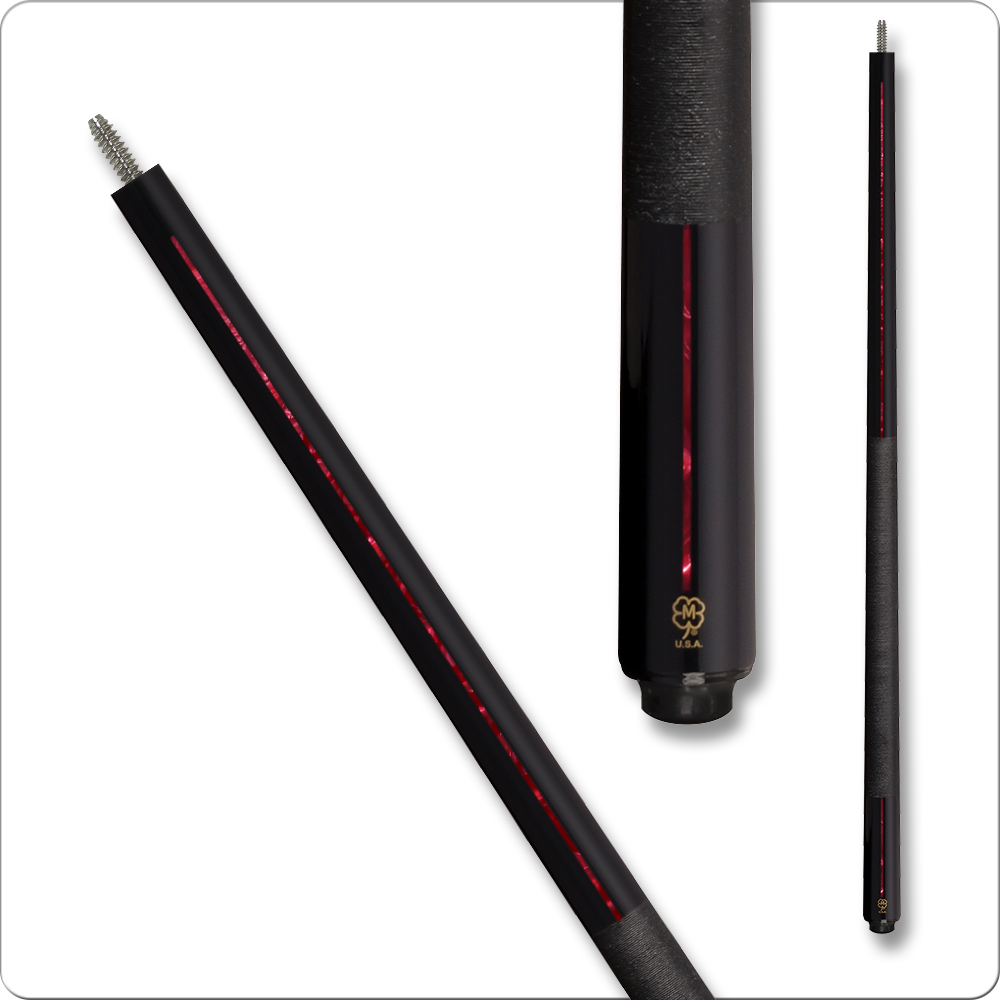
Matchroom’s professional nineball calendar rarely takes the summer off, and this week the schedule swings into Connecticut. The McDermott Open runs July 16 through 19, 2026 at Yale Billiards in Wallingford, and it puts one of the most recognizable names in American cuemaking directly under the tournament lights. For anyone who has been circling a McDermott purchase, a week like this is a good excuse to look past the logo and ask a sharper question. What actually makes these cues worth playing, and how do you match one to your own game?
What the McDermott Open Is
The 2026 McDermott Open is a 9-ball event promoted under the Matchroom banner, with a prize fund in the neighborhood of $29,300 and live streaming on wnt.tv. Yale Billiards, at 950 Yale Avenue in Wallingford, supplies the tournament room. Regional stops like this one matter more than their prize money suggests. They give touring pros extra reps against live competition, and they give local players a rare chance to watch world-class shotmaking a few feet away rather than through a screen.
Nine-ball rewards a specific blend of skills. You need a break that spreads the rack and leaves a shot, cue-ball control that keeps you off the rail and out of trouble, and the discipline to play the right safety when the layout turns against you. Watch a full match at an event like the McDermott Open and you will see the same theme over and over. The best players are not swinging harder than everyone else. They are more consistent, shot after shot, and a lot of that consistency traces back to equipment they trust completely.
Why a Trusted Cue Beats a Flashy One
Brand loyalty in pool is not about status. It is about repetition. A player who has fired ten thousand shots with the same shaft taper, tip, and balance point knows exactly how the cue ball will respond to a given stroke. McDermott has built its reputation on that kind of repeatable feel, with North American hard rock maple, tight joint tolerances, and finishing that holds up to real use. When you shop the full McDermott pool cue collection, you are looking at cues designed to feel the same on your five hundredth rack as they did on your first.
Three details separate a cue you grow into from one you outgrow. The first is the shaft. A well-made maple shaft with a quality ferrule and a properly shaped tip gives you predictable deflection, which is the sideways push the cue ball takes when you strike with english. The second is the joint, which controls how energy transfers from your stroke into the ball and how the whole cue feels at impact. The third is balance. A cue that sits right in your bridge hand disappears while you play, and that is exactly what you want.
Featured McDermott Products
-
Sale!
-
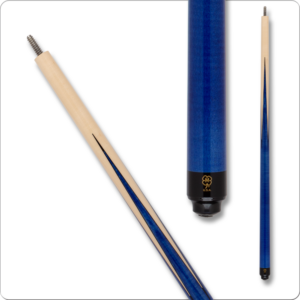
McDermott PACIFIC BLUE Sneaky Pete Pool Cue, Blue
Original price was: $520.00.$468.00Current price is: $468.00. Select options
The lineup above spans most of the decisions a buyer faces. The McDermott G521R G Series cue and the McDermott G522 G Series cue represent the heart of the range. G Series cues pair classic points-and-inlay looks with a real playing shaft, and they land at a price where you get genuine craftsmanship without stepping into custom territory. If you want one cue to carry you from league night to a weekend tournament, this is the zone to shop.
The Sneaky Pete Approach
The McDermott Pacific Blue Sneaky Pete answers a different itch. A sneaky pete looks like a plain house cue at a glance, with the balance and quiet confidence of a full custom underneath. Players who like understated gear, or who enjoy the psychology of a cue that does not announce itself, gravitate to this style. The color options keep it from being boring, and the McDermott shaft means the performance is anything but plain.
Stepping Up to Carbon
For the player ready to chase the same technology the touring pros use, the Vanquish VQ1 carbon fiber playing cue brings a low-deflection carbon shaft into the McDermott family. Carbon shafts resist warping, shrug off humidity, and give you a stiffer, more consistent hit than most maple. If you have watched the McDermott Open field and noticed how many competitors run carbon, the VQ1 is a straightforward way to put that feel in your own hands.
How to Choose Your McDermott
Start with honesty about how much you play. A weekly league player and a serious tournament competitor have different needs, and the right cue reflects that. If you are still refining your stroke, a G Series maple cue gives you all the performance you can use and leaves room to grow. If you already break and run and you want every advantage, the carbon route pays off. Weight matters too. Most players land between eighteen and twenty ounces, and a cue that feels balanced in your bridge hand will serve you better than one chosen purely on spec sheets.
Do not overlook the case and the tip while you are at it. A shaft is only as good as the tip on the end of it, and protecting your investment in a proper case keeps the joint and ferrule true. Quarter King Billiards carries the accessories to round out any purchase, and you can always browse the wider pool cue selection if you want to compare McDermott against other makers before you commit.
Building a Complete Setup Around Your McDermott
A cue rarely travels alone. Once you have chosen your McDermott playing cue, think about the two pieces that protect and complete it. The first is a case that fits properly, because a loose case lets the joint knock around while a snug one guards the ferrule and tip from the small dings that add up over a season. The second is a break cue. Breaking with your good playing cue works fine when you are starting out, but the break puts the most violent stress a cue ever sees on your shaft and tip. Many players who invest in a nice playing cue eventually add a dedicated break cue so their main cue only handles the finesse work it was built for.
Tips deserve attention as well. Even a factory cue benefits from a tip that is shaped and maintained to your liking, and swapping to a tip you trust can change how a cue feels far more than most buyers expect. If you are moving up from a house cue to your first real McDermott, set aside a little budget for these extras rather than spending every dollar on the cue itself. A great cue in a proper case with a fresh tip is a setup you will be happy with for years, and it costs less than chasing a new upgrade every few months.
Longevity is part of the value too. McDermott cues hold their worth well because the brand is trusted and the build quality is high, so a cue you buy today is not money thrown away if your preferences shift later. That durability is a big part of what makes one a safe first serious purchase.
Watch the Open With a Buyer’s Eye
If you tune into the McDermott Open this week, watch the routines rather than only the highlight shots. Notice how the top players chalk before every shot, how they set their feet the same way each time, and how rarely they force a low-percentage attempt when a safety is on. That repeatability is the real lesson, and it is far easier to build when your cue behaves the same every single time. A dependable cue will not fix a flawed stroke, but it removes one variable so you can trust the practice you put in.
The McDermott Open is a reminder that great pool is built on consistency, not luck. If watching it makes you want to upgrade, start with a cue you can commit to for years, not months. Explore the full range and find the one that fits your hand and your game.

About Corey Bernstein
Corey Bernstein is a competitive pool player, billiards equipment specialist, and co-owner of Quarter King Billiards in Wilmington, North Carolina. With over a decade of experience in the sport, Corey has competed in regional APA and BCA sanctioned tournaments and maintains an intimate knowledge of cue construction, shaft technology, and table mechanics. As a certified dealer for brands including Predator, McDermott, Jacoby, Viking, Lucasi, Meucci, Joss, and Cuetec, Corey personally tests and evaluates every cue that comes through the shop. His hands-on approach to the business means he has racked thousands of hours behind the table — breaking in shafts, comparing tip compounds, and dialing in the nuances that separate a good cue from a great one. When he is not behind the counter or on the table, Corey is researching the latest advances in low-deflection technology, carbon fiber shaft construction, and cue ball physics. His articles on Quarter King Billiards combine real-world playing experience with deep product knowledge to help players at every level find the right equipment for their game.