 844 408 3056

 Hot Deal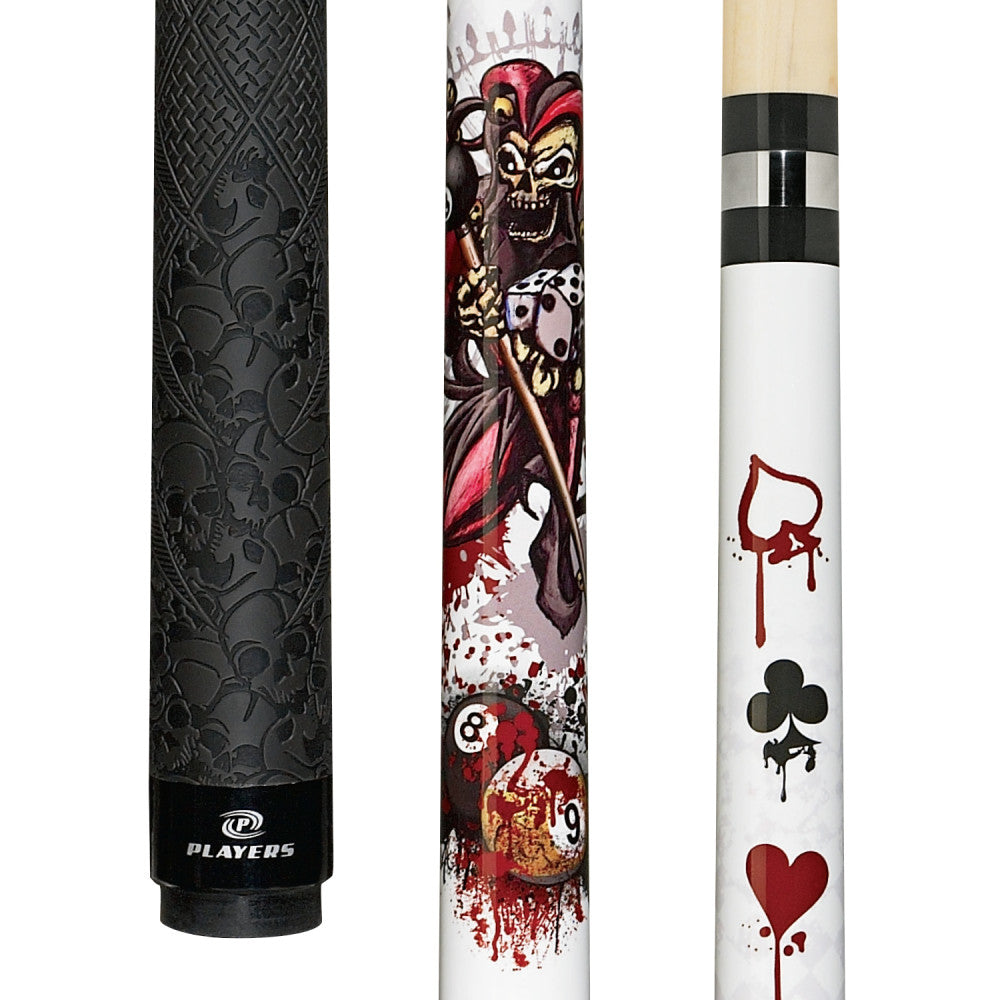
Frisco, Texas gets the biggest week on the American pool calendar starting August 25, and the trophy is only part of what is on the line. The 2026 US Open Pool Championship, running August 25 to 30, is the final ranking event that decides automatic qualification for the 2026 Reyes Cup. Every match in Texas is worth two things at once: prize money now, and a seat on a team roster in October.
That double stake changes how players approach a long event, and it is worth understanding even if your own season tops out at a league playoff. Ranking races reward a very specific kind of player, and it is almost never the one with a single hot week.
What the Frisco cutoff actually decides
The World Nineball Tour confirmed the qualification cutoffs in late July. The US Open in Frisco closes the books for the Reyes Cup, which runs October 15 to 18 in the Philippines. The Philippines Open Pool Championship, October 20 to 24, is the separate cutoff for the Mosconi Cup, which returns to the Caribe Royale Resort in Orlando, Florida from November 27 to 30.
Two events, two deadlines, two different sets of math. A player chasing both is looking at a fall schedule where almost nothing is a throwaway. That pressure shows up on the table in ways spectators rarely name correctly. Players who are protecting a ranking position tend to play tighter safeties and take fewer low percentage runs, because a Last 32 finish that holds a spot is worth more than a spectacular loss in the Last 16.
How the Reyes Cup team gets picked
The Reyes Cup puts Team Asia against Team Rest of the World, five players per side. Only two of those five come from the rankings. Two more are captain’s picks, and one is a Matchroom wildcard. That means the ranking race in Frisco is genuinely a race for two chairs, not five.
The Reyes Cup qualification window opened with the 2025 Philippines Open, so it covers a full year of results. A player cannot rescue a quiet twelve months with one good Sunday in Texas, though a deep run can absolutely move someone from the bubble into an automatic spot.
The captain’s pick structure is the interesting part. Captains historically reward players who show up in team formats, handle the short race, and stay steady when the crowd is loud. Those are not the same traits that build a ranking. Some of the best team players in the sport have never been ranking machines.
The Mosconi Cup math is different
Orlando works on a wider automatic pool. The top three ranked players from Team USA and the top three from Team Europe earn places outright once the Philippines Open finishes, with two wildcard selections completing each five player lineup. Johan Ruijsink is already confirmed as non playing captain of Team USA. The Mosconi qualification period began with the River City Open in 2025.
Three automatic spots instead of two changes the incentive. American players sitting fourth or fifth in their list have a real reason to enter everything between now and late October, because the gap between third and fourth is the gap between certainty and hoping a captain likes your attitude.
The 2026 season has already scrambled some assumptions. Shane Van Boening took the Florida Open earlier this month, and Denis Grabe won the inaugural Arizona Open in mid August at the Quechan Casino Resort, beating Aleksa Pecelj in the final. Results like those redistribute points late in a cycle, which is exactly why the last two ranking events carry so much weight.
What to actually watch for in Frisco
If you are streaming the US Open with an eye on qualification rather than just the trophy, a few things are worth tracking.
Watch the players sitting just outside automatic position. Their match management will look different from everyone else’s. Expect longer safety exchanges, more push outs played to genuinely hard positions rather than half hearted ones, and a visible reluctance to gamble on a two rail kick when a safety is available.
Watch the break selection too. In a long event with ranking stakes, the smart move is often a controlled break that guarantees a shot rather than a maximum power break that scatters the rack and leaves the table to chance. Players who need a deep run tend to trade a little pop for a lot of reliability, and the difference is visible if you know to look.
And watch how the already qualified players behave. Someone locked into a team spot is free to swing, and free swinging players are dangerous in single elimination formats. Some of the best pool of the week tends to come from players with nothing left to protect.
What a ranking race teaches a league player
Here is the part that applies to your Tuesday night session. Ranking systems reward accumulated competence. They do not reward peaks. A player who finishes in the money at six events out of eight will beat a player who wins once and busts out early seven times.
Your league standings work the same way. Nobody in your division remembers the night you ran three racks. Everybody remembers that you have won twelve of your last sixteen matches. Building that record is mostly about removing the bad nights, and bad nights usually trace back to something boring: an unfamiliar cue, a tip you have not touched in six months, a stroke that feels different because you borrowed a house stick.
Consistency is a gear problem before it is a skill problem
Playing with the same cue every session is the cheapest improvement available to most players. It is not about the price of the cue. It is about your hands learning one balance point, one grip diameter, one deflection profile, and one tip response, then not relearning them every week.
That is why the mid tier production cue is such a useful category. A cue in the $150 to $300 range from a maker with real quality control gives you a straight shaft, a joint that stays tight, and a hit you can memorize. Spending more buys nicer figured maple and better inlay work. It does not buy consistency you have not earned yet.
Featured Players Cues
Players has been the sensible answer to the workhorse question for a long time. The line covers wrapless models, traditional Irish linen, and the sport grip cues that a lot of league shooters prefer once they figure out their hands sweat under pressure.
-
-
-
-
-
-
-
-
Choosing between them
The Players Jester Sport Grip Cue at $285 is the one to look at if your grip hand gets slick in a hill hill rack. Sport grip material stays tacky when linen goes slippery, and for a lot of players that alone removes a whole category of missed shots.
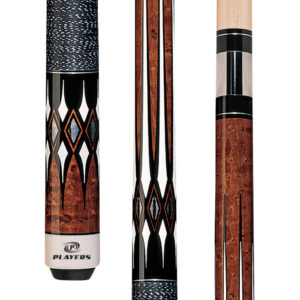
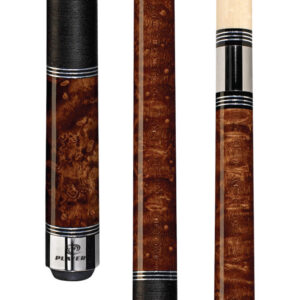
The Players Antique Maple Curly and Black Cue at $301 is the traditionalist pick, with black and white linen and figured maple. Linen absorbs moisture rather than repelling it, which suits players who prefer a drier, more classic feel.
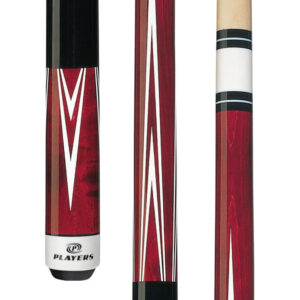
If you want the least fuss, the Players 4 Point Crimson Wrapless Cue at $175 has nothing to wear out on the handle. Wrapless cues are the lowest maintenance option available, and the four point construction gives you real forearm work at an entry friendly number.
The Players Nutmeg Birdseye Cue at $199 sits between those two, with birdseye maple and a standard black linen wrap.
Build your own qualification window
Give yourself a season instead of a night. Pick a twelve week window, commit to one cue, and track your match results rather than your best run. That is the same structure the pros are living inside right now, scaled to a room you can actually get to.
Browse the rest of the Players cue lineup or step through the full pool cues catalog if you want to compare brands before you commit to one stick for the fall.

About Corey Bernstein
Corey Bernstein is a competitive pool player, billiards equipment specialist, and co-owner of Quarter King Billiards in Wilmington, North Carolina. With over a decade of experience in the sport, Corey has competed in regional APA and BCA sanctioned tournaments and maintains an intimate knowledge of cue construction, shaft technology, and table mechanics. As a certified dealer for brands including Predator, McDermott, Jacoby, Viking, Lucasi, Meucci, Joss, and Cuetec, Corey personally tests and evaluates every cue that comes through the shop. His hands-on approach to the business means he has racked thousands of hours behind the table — breaking in shafts, comparing tip compounds, and dialing in the nuances that separate a good cue from a great one. When he is not behind the counter or on the table, Corey is researching the latest advances in low-deflection technology, carbon fiber shaft construction, and cue ball physics. His articles on Quarter King Billiards combine real-world playing experience with deep product knowledge to help players at every level find the right equipment for their game.