 844 408 3056

 Hot Deal
Yuma, Arizona is hosting professional pool this week, and the format is the story. The inaugural Arizona Open Pool Championship runs August 13 through 16 at Quechan Casino Resort, and Matchroom built it as a 128 player single elimination bracket with a $125,000 prize fund. The top 64 ranked World Nineball Tour professionals fill half the field. The other 64 spots went to everybody else who wanted a shot.
No losers side. No second chance. Shane Van Boening arrives fresh off his Florida Open title, world number one Aloysius Yapp is in, and two time reigning world champion Carlo Biado is in, and any one of them can be finished by Friday afternoon. That structure does something specific to how the matches get played, and the lessons transfer straight to your Thursday night league.
Why One Loss Changes Everything About Shot Selection
Double elimination is forgiving in a way most players never think about. When you can afford to lose once, the correct strategy tilts toward aggression. You take the low percentage runout because the downside is a trip to the one loss side, not a plane ticket home. Bracket math protects experimentation.
Single elimination inverts that. Every player in Yuma is playing with the knowledge that a single bad rack can end their tournament, and you can watch it change their decisions in real time. Shots that would get fired at in a double elimination event get played safe instead. Players lag on the 9 ball more often. Break speed comes down. The whole event gets quieter and more deliberate.
Here is the part worth stealing: the pros do not get more careful because they are scared. They get more careful because the math actually changed. Most amateur players never adjust their risk tolerance to the format they are playing. They shoot the same 40 percent cut shot in a single elimination Saturday tournament that they would shoot in a casual set, and they wonder why they keep going out early.
Race to 10 Is Longer Than You Think
The Arizona Open plays race to 10 all the way through the quarterfinals. Semifinals move to race to 11, and Sunday’s final is race to 13 across two sessions. League players who mostly play race to 3 or race to 5 sets underestimate what that distance does to a match.
A race to 10 takes roughly 90 minutes to two hours. That is long enough for a player to break badly for six racks and still win. It is also long enough for physical fatigue to start showing up in the stroke, which is exactly why the top professionals obsess over cue balance and grip comfort in a way casual players find strange. A cue that feels fine for 20 minutes can feel like a fence post in hour two.
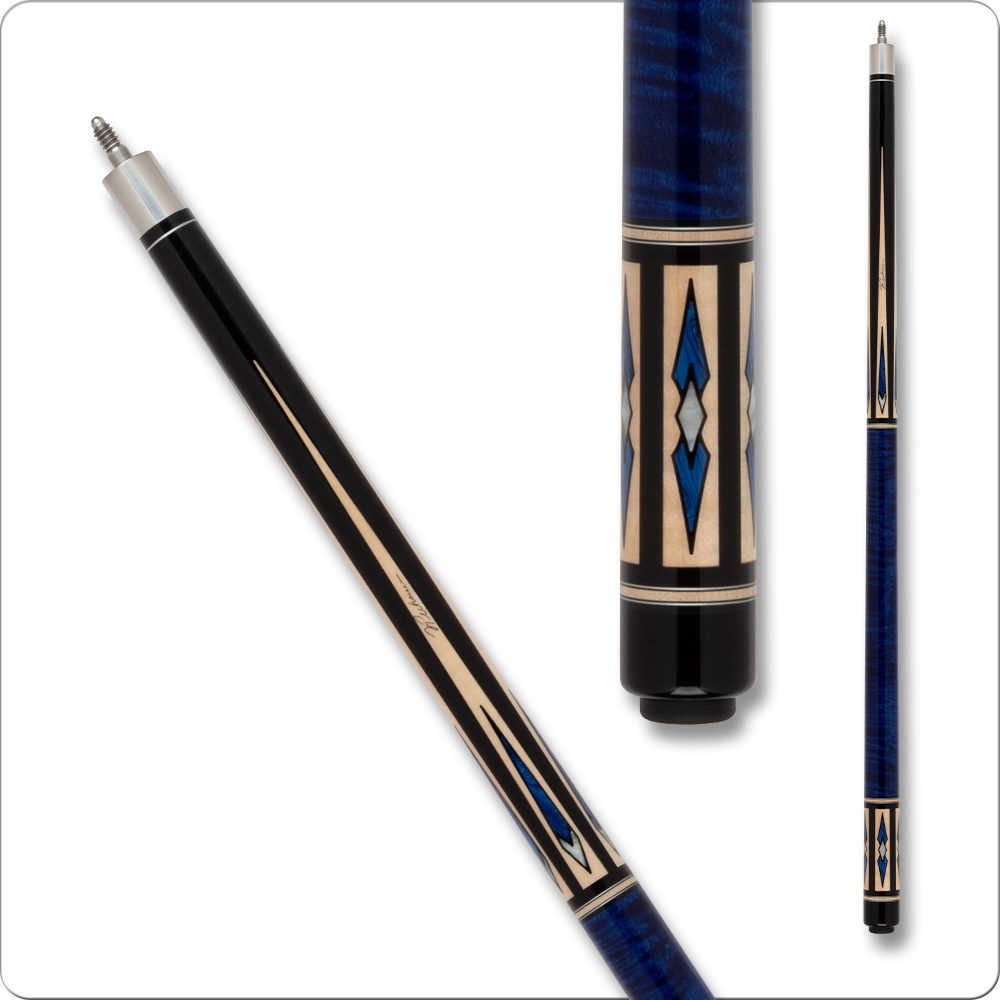
This is where equipment stops being a talking point and starts being a real variable. Pechauer has built its reputation on cues that stay comfortable through long sessions, with balance points that sit where a player expects them and joints that do not go soft after a few hundred racks. The Pechauer JP25R10 Pro Series Cue is a good example of the type: full length maple, a Pro Series taper, and the kind of build that holds up under repeated play instead of just looking good in a case.
What Single Elimination Rewards, Specifically
A Break That Is Boring on Purpose
Watch a single elimination bracket and count how many players are smashing the rack at maximum speed. It will be fewer than you expect. When a dry break can end your week, players dial back to a controlled break that makes a ball and leaves the cue ball near center table. They trade a percentage point of break and run for a much larger reduction in scratches and dry breaks.
Try it in your next tournament. Take 15 percent off your break speed and focus entirely on square contact and cue ball position. Most players find their break and run rate stays flat while their sell out rate drops noticeably.
Two Way Shots Over Pure Offense
The single elimination shot of choice is the one that either makes the ball or leaves the opponent with nothing. Long rail cut with a chance at safety if it misses beats a low percentage combination every time. Professionals build these into their patterns constantly, and amateurs almost never do because they only evaluate the make and never the miss.
Ending Racks Early
When a runout presents itself, single elimination players take it immediately rather than playing one more safety to improve position. Giving a professional a second look at the table is how you lose a bracket. The instinct to grind gets replaced by the instinct to close.
Featured Pechauer Products
Pechauer sits in the range where a lot of serious league and tournament players end up: real construction, honest hit, and a price ladder that lets you buy up as your game demands more. Every cue below is in stock and ready to ship.
-
Sale!
-
Pechauer JP25R20 Pro Series Cue
Original price was: $1,300.00.$1,170.00Current price is: $1,170.00. Select options -
Sale!
-
Pechauer JP25R10 Pro Series Cue
Original price was: $760.00.$684.00Current price is: $684.00. Select options
Building a Single Elimination Practice Week
If you have a bracket tournament coming up, the two weeks before it should not look like your normal practice. Ordinary practice optimizes for improvement. Tournament preparation optimizes for consistency under pressure, and those are different targets.
Spend the majority of your table time on the shots you will actually face rather than the shots that are fun. That means long straight ins, rail cuts, and position routes that avoid traffic. It means breaking a hundred racks at your controlled speed until it feels like your only speed. It does not mean practicing masse shots.
Play games where a single miss ends the drill. Run the ghost at race to 5 and start over completely on any miss. The point is not the score. The point is rehearsing the feeling of a mistake carrying real weight, so that on Saturday it is a familiar sensation instead of a new one.
Equipment consistency belongs in that same category. Tournament week is the wrong time to try a new tip, a new shaft, or a new cue. If you have been meaning to upgrade, do it a month out so the change is fully absorbed. A player who has been shooting with a Pechauer JP2501 JP Series Cue for six weeks will outperform the same player holding a better cue they picked up on Thursday.
Where Your Money Actually Goes in a Cue
The Pechauer line runs from the JP Series into the Pro Series, and the difference is worth understanding before you spend. The JP2512 and its JP Series siblings give you the same core construction and taper philosophy at a friendlier price, with simpler inlay work and standard appointments. Step up to a Pro Series cue like the JP25R20 and you are paying for more elaborate inlay, higher grade wood selection, and finish work that holds up cosmetically over years of case time.
What you are not paying for is a different hit. That is the honest part of the conversation that many cue buyers never get. A $324 Pechauer and a $1,170 Pechauer play more similarly than the price gap suggests. If your budget is tight, buy at the bottom of a good line rather than the top of a mediocre one, then put the difference toward a better shaft or a serious practice habit. Our full pool cue selection spans every tier if you want to compare across brands before committing.
Watching the Arizona Open This Weekend
Coverage runs on WNT TV for subscribers across the main table and tables two and three, and Matchroom Pool is streaming table four free on YouTube. The semifinals and final land on Sunday, August 16.
Watch the free stream with a specific assignment instead of watching passively. Pick one player and track only their shot selection after they get out of line. Do not watch the runouts. Watch what they do in the moment where an amateur would gamble. That single habit, transplanted into your own game, is worth more than any drill you will run this month.

About Corey Bernstein
Corey Bernstein is a competitive pool player, billiards equipment specialist, and co-owner of Quarter King Billiards in Wilmington, North Carolina. With over a decade of experience in the sport, Corey has competed in regional APA and BCA sanctioned tournaments and maintains an intimate knowledge of cue construction, shaft technology, and table mechanics. As a certified dealer for brands including Predator, McDermott, Jacoby, Viking, Lucasi, Meucci, Joss, and Cuetec, Corey personally tests and evaluates every cue that comes through the shop. His hands-on approach to the business means he has racked thousands of hours behind the table — breaking in shafts, comparing tip compounds, and dialing in the nuances that separate a good cue from a great one. When he is not behind the counter or on the table, Corey is researching the latest advances in low-deflection technology, carbon fiber shaft construction, and cue ball physics. His articles on Quarter King Billiards combine real-world playing experience with deep product knowledge to help players at every level find the right equipment for their game.