Roland Garcia did not lose a single match in Round Rock, Texas. Eight matches, eight wins, and a check for $17,500 headline the 53rd Texas Open 9-Ball Championships, which wrapped September 7, 2026 at Skinny Bob’s Billiards with Predator Cues as title sponsor, so the flyers bill it as the Predator Texas Open. Garcia’s run, and the brutal loss-side marathon Vitaliy Patsura survived to meet him in the final, both hold lessons any league player can use.
The 53rd Texas Open, By the Numbers
The event ran August 31 through September 7, 2026, with $20,000 added. The 9-ball open drew 154 entrants, the Ladies 9-Ball pulled 32, and the One Pocket bracket had 37, alongside a $1,000-added Ring Game and a $1,000-added 9-ball mini. Tournament director Sheyla Neris kept the room moving, and Skinny Bob’s streamed at least three tables free on YouTube for anyone who could not make the trip. Quarter King stocks pool cues from Predator and other brands, including the Predator collection, the brand that put up the title sponsorship.
Format was double elimination, race to 9 in the open division and race to 7 in the Ladies bracket, under WPA rules with house changes worth knowing before any regional stop: rack your own with a template rack, 1-ball on the foot spot, a 3-point break rule, winner breaks, push out allowed after the break, and a 9-ball made on the break does not count if it drops in either of the two bottom corner pockets. Fouls are cue ball fouls only, it is a three-foul rule, no-rail fouls apply, and one foot must stay on the floor. Jump cues are legal in the 9-ball events, though not in every bracket.
Garcia’s Undefeated Path to the Title
Garcia was born in 1979 in the Magalang area of Pampanga, Philippines, and has been on the Predator Pro Team since 2017. He was runner-up at the 2017 WPA World 9-Ball Championship, so a stacked field in Texas was not unfamiliar ground, and he never touched the loss side. He opened with a 9-3 win over Josh Kondo, then beat Joey Torres 9-1 and Ryan Robinson 9-4. In round four he beat 12-year-old Gavin Ray Mathew 9-4, then Marcus Hodge 9-1 in the winners’ side quarterfinal and Jeffrey De Luna 9-4 in the winners’ side semifinal. He beat Felix Vogel 9-4 in the hot seat match, then closed the tournament 9-5 over Vitaliy Patsura in the final. Across all eight matches Garcia won 72 racks and conceded only 26; in the final, Patsura had clawed back to 5 games before Garcia won the last four racks in a row.
The Texas Open dates back to 1974, when Sammy Jones won the first title. Recent champions include Tyler Styer in 2023, Skyler Woodward in 2015 and 2019, John Morra in 2016 and 2017, and Omar Alshaheen in 2018. Garcia is only the third Filipino champion in the event’s history, joining Warren Kiamco (2013) and Dennis Orcollo (2020).

Patsura’s Marathon on the Loss Side
Vitaliy Patsura, from Ukraine, has won this event twice before, in 2022 and 2024. This year he lost in the second round to Shane Van Boening, so every match after that was do or die. He responded by winning 11 straight matches on the loss side, the most matches played by anyone in the field at 14. He gave up only five racks total across his first three loss-side matches, then survived a double-hill match against Tony Chohan. From there he beat Gabriel Martinez 9-1 and Marcus Hodge 9-3, advanced by forfeit over Bader Alawadhi, then beat Billy Thorpe 9-2, Jeffrey De Luna 9-6, and Felix Vogel 9-7 to reach the final. By the time he sat down across from Garcia, Patsura had been playing one match after another since noon on the final day, and getting to 5 games against an undefeated opponent says plenty about how much he had left.
Vogel and Mathew: Two Different Kinds of Fearless
Felix Vogel is 18 and plays out of Germany. He ran the winners’ side undefeated to the hot seat match, beating Michael Linville 9-2, Manuel Perez 9-6, 2025 defending champion Shane Van Boening, Brian Sanders 9-2, Evan Lunda 9-5, and Billy Thorpe 9-5. Garcia beat him 9-4 in the hot seat match, and Patsura beat him 9-7 for third place, but reaching that stage at 18 against that caliber of field says plenty about where his game is headed.
Gavin Ray Mathew is 12 and from Texas, and he is not a novelty entry. He won his first three matches, beating Anastasio Tijerina 9-1, Jonathan Demet 9-7, and Michael Yednak 9-6, before losing 9-4 to Garcia and 9-1 to Van Boening. He finished tied for 17th and cashed, which fits a pattern: Mathew has cashed in nine DFW 9-Ball Tour events and won three, the first when he was 10.
The depth of the field showed up on the loss side too. Alex Pagulayan lost in round three to Billy Thorpe, then won six straight, including Jeremy Jones 9-3, Lee Vann Corteza 9-4, and Evan Lunda 9-4, plus a double-hill win over Roberto Gomez, before losing double hill to Jeffrey De Luna. With Pagulayan, Van Boening, Corteza, Chohan, Josh Roberts, and Jeremy Jones all in the field, nobody was coasting to a payout.
Three Lessons for League Players
None of this is just trivia for a Tuesday night league player. Here is what to take from Round Rock into your own matches.
Win the First Shot After the Break
Garcia conceded only 26 racks across eight matches, well under 3.5 per match, against a field with multiple former champions. That kind of efficiency does not come from pocketing hard shots. It comes from controlling the table after the break: getting the cue ball where you want it for the first real shot, playing shape for the 2-ball instead of just the next ball, and taking the safety the moment a clean run out is not there. Garcia’s scorelines are what happens when a player refuses to give away free racks.
Build a Routine That Survives Fatigue
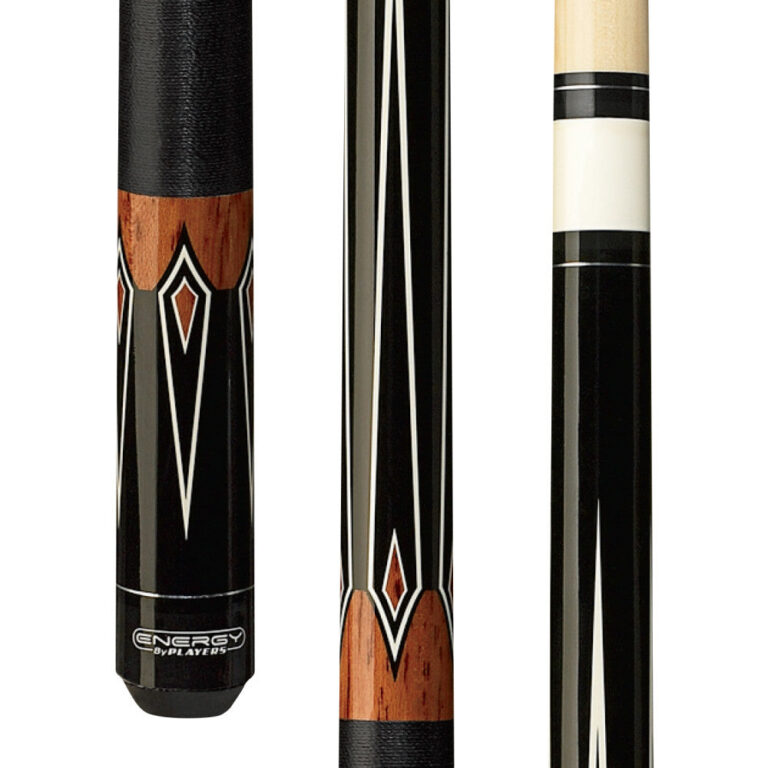
Patsura’s 11-match run on the loss side is really a lesson in stamina management. Playing that many racks back to back punishes anyone whose game depends on adrenaline. Players who survive a day like that keep a short, repeatable pre-shot routine so decision fatigue does not creep in, keep the same tempo whether up or down, and actually eat and hydrate between matches instead of skipping it to keep grinding. It also helps to keep your cue assembled and protected rather than breaking it down between every match. A rail-mounted cue holder that keeps four cues off the floor and off the chairs saves real time during a long day of matches.
Know the House Rules Before You Enter
Vogel at 18 and Mathew at 12 both prove that a full-size cue and reps in weekly regional events matter more than age. What they also had going for them was rules knowledge: template rack, the 3-point break rule, rack your own, and jump cues legal in the 9-ball events. If you plan to compete outside your own home room, read the rule sheet before you enter, not during your first match, including whether a jump cue is even allowed, since it was not universal across every bracket here.
Featured Predator Gear
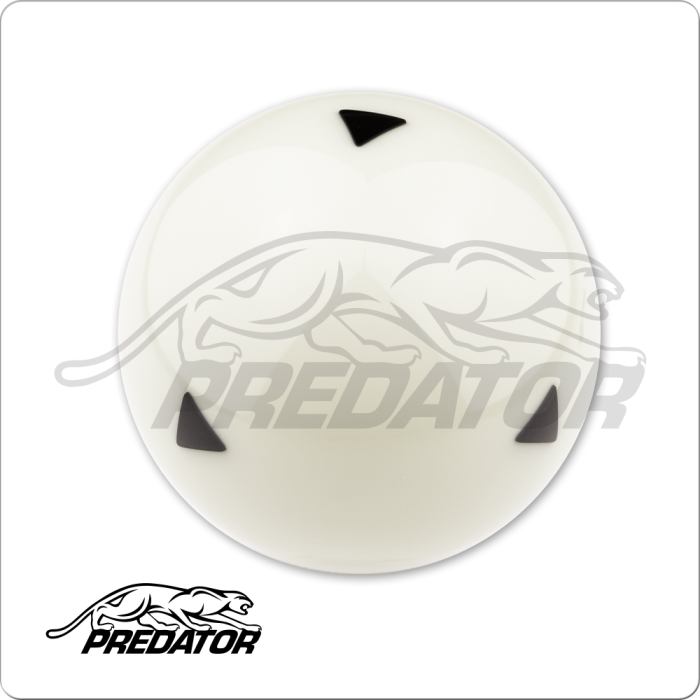
Here is Predator gear in stock at Quarter King right now, the same categories of equipment used to run and play in an event like this one, from tournament-grade cloth to a cue ball built for consistent position play.


Getting Ready for Your Own Regional Open
The Texas Open filled up, waitlist and all, which is normal for an event with this much history and a $20,000 added purse. If you are eyeing a regional open of your own, whether the NC State 10-Ball, a Q City 9-Ball Tour stop, or something bigger, enter early. Waitlists happen at the good rooms, and Round Rock is proof.
Pack like you might be playing all day. A dedicated break cue saves the tip and ferrule on your playing cue over a long tournament, and if jump shots are allowed, bring a jump cue rather than risk your regular one. Keep spare tips, a scuffer, and chalk on you, not in a bag across the room. Book your hotel and plan your pace around the schedule, because you may end up playing one match after another the way Patsura did, and you want to have actually eaten something before that happens.
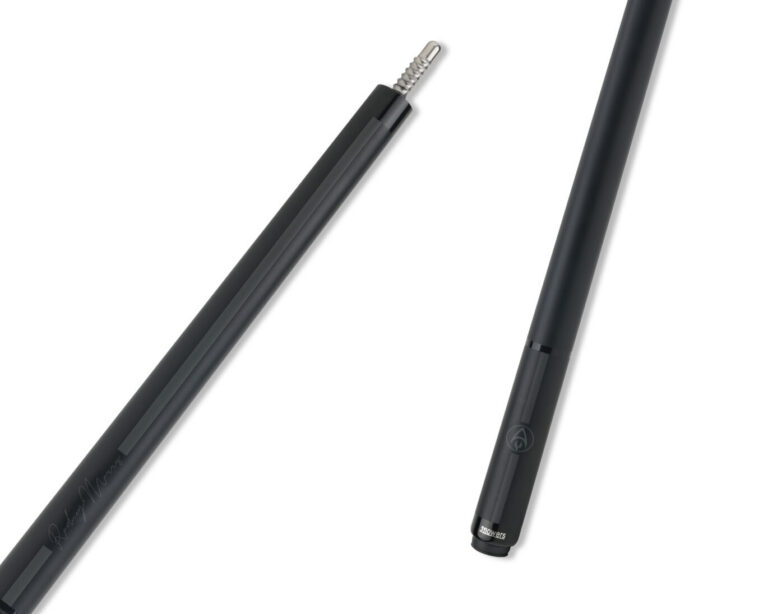
Quarter King also carries Poison, Predator’s sister brand. The Maelith is a wrapless cue with a 12.4mm Venom carbon fiber shaft and a Radial joint, built for players who want that shaft feel at a lower price. Whatever you play with, the fundamentals that carried Garcia through eight matches undefeated, control after the break, a routine that holds up under fatigue, and knowing the rules before you sit down, will carry you through your next tournament too.
Garcia’s trophy heads back to the Philippines, but the routine that got him there travels well: control the table after the break, protect your stamina late in the day, and know the rules before you rack. That worked in Round Rock, and it will work at your next league night too.

About Corey Bernstein
Corey Bernstein is a competitive pool player, billiards equipment specialist, and co-owner of Quarter King Billiards in Wilmington, North Carolina. With over a decade of experience in the sport, Corey has competed in regional APA and BCA sanctioned tournaments and maintains an intimate knowledge of cue construction, shaft technology, and table mechanics. As a certified dealer for brands including Predator, McDermott, Jacoby, Viking, Lucasi, Meucci, Joss, and Cuetec, Corey personally tests and evaluates every cue that comes through the shop. His hands-on approach to the business means he has racked thousands of hours behind the table — breaking in shafts, comparing tip compounds, and dialing in the nuances that separate a good cue from a great one. When he is not behind the counter or on the table, Corey is researching the latest advances in low-deflection technology, carbon fiber shaft construction, and cue ball physics. His articles on Quarter King Billiards combine real-world playing experience with deep product knowledge to help players at every level find the right equipment for their game.