 844 408 3056

 Hot Deal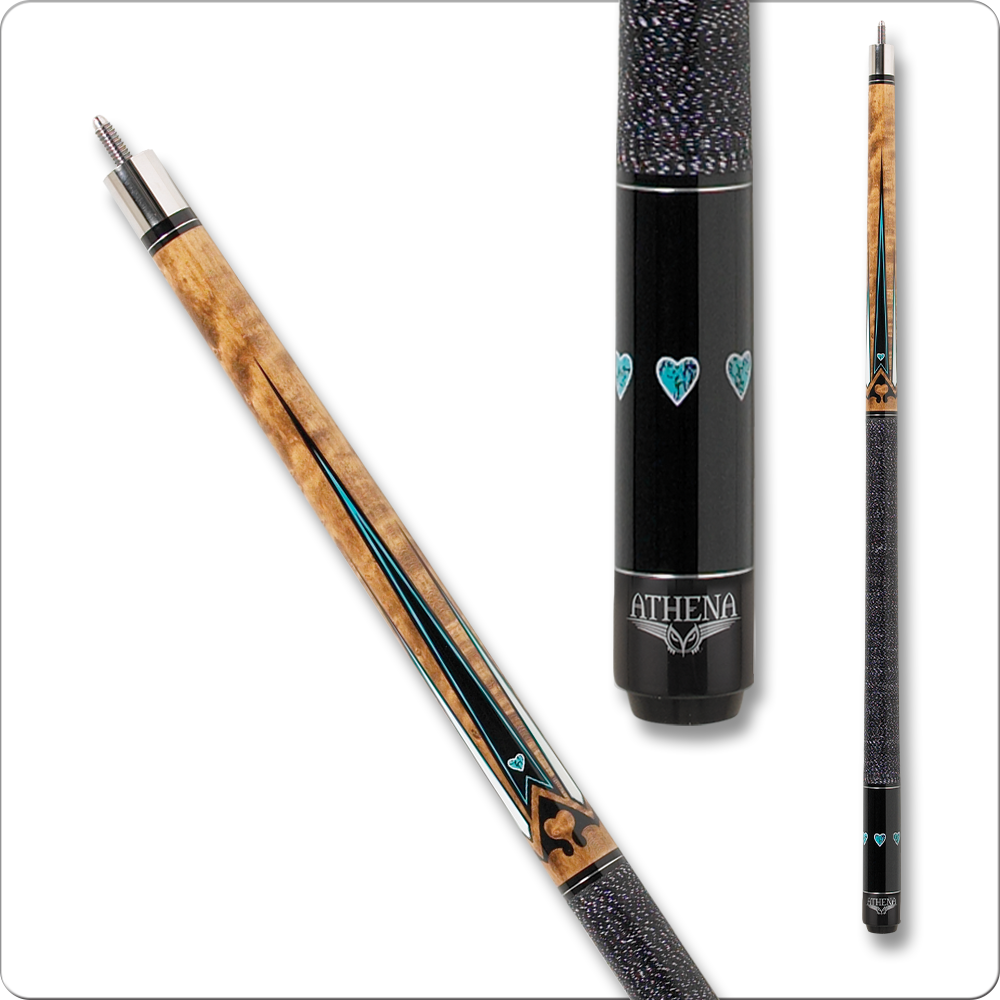
Sunday settles it. The 2026 Oneida WPA Women’s World 8-Ball Championship runs through July 26 at the Oneida Casino in Green Bay, Wisconsin, and the field of 64 that started the week has been shrinking toward a single name ever since the first rack broke. Green Bay is hosting for the second consecutive year, and defending champion Jasmin Ouschan came in as the player everyone else has to go through. Whatever the bracket looks like by the time you read this, the weekend ahead belongs to the handful of players who survived the grind, and championship weekend 8-ball is a very different sport from Tuesday night league.
We covered the early rounds earlier this week, from opening day traffic management to the problem ball decisions that separated day two survivors from early flights home. This piece looks forward instead. What do the final rounds of a world championship actually reward, and what can a league player borrow from the women still standing?
Knockout 8-Ball Punishes Different Mistakes
Early in a big event, a loose rack here and there gets absorbed. The races are shorter, the field is uneven, and a strong player can out-talent a sloppy decision. By championship weekend that cushion is gone. Every opponent left in the building can run out from anywhere reasonable, which changes the math on every single choice.
The first thing that changes is shot selection. A 60 percent runout attempt that made sense against a struggling opponent on Wednesday becomes a liability on Saturday, because the miss no longer costs you one game against someone who might give the table right back. It costs you a game against a player who will punish it with a clean run and then break. Players at this stage take the two-way option, play the percentage safety, and force their opponent to earn everything.
The second thing that changes is pace. Watch the players who go deep in world championships and you will see routines that never vary. Same number of warmup strokes, same walk around the table, same pause at the bottom of the backswing. Under pressure, rhythm is the only thing holding a stroke together, and the players who built a repeatable routine years ago are the ones cashing on Sunday.
Three Habits the Last Players Standing Share
They Commit to a Pattern Before the First Ball Falls
Elite 8-ball players decide their entire sequence, including the problem balls and the 8-ball path, before they commit to shooting. Amateurs solve the rack three balls at a time and end up stranded. The fix is free. On your next rack, stand behind the table and name your full pattern out loud before you bend over. You will be wrong sometimes, and that is exactly how pattern instinct gets built.
They Break With a Plan, Not Just Power
At this level the break is a controlled shot with a target speed and a target cue ball position, usually center table. A wild break that scatters balls but leaves the cue ball on a rail hands control to the opponent. Dial your break back to the speed where you keep the cue ball in the middle of the table, even if that costs a little spread.
They Defend Early, Not Late
The best players do not wait until a rack goes wrong to think defensively. If the pattern is not there, they play safe while they still have blockers to hide behind, not after the layout has opened up and every safety is a guess. Losing a turn on your terms beats losing the rack on theirs.
Equipment That Holds Up Under Pressure
None of those habits survive contact with a cue you fight against. Consistency is the entire argument for owning your own cue rather than pulling whatever is straight-ish off the wall rack, and it is the argument for buying one that actually fits you instead of whatever a bigger player handed down.
This is where the Athena line earns its place in this conversation. Athena builds cues aimed at women players, and the practical differences matter more than the artwork, though the artwork is the first thing people notice. Weight options run from 17 to 21 ounces, so a player who wants a lighter cue for a smoother stroke can actually get one instead of settling for the 19 ounce default that most house cues and starter sets assume. The balance points and grip profiles suit smaller hands, and the maple shafts come with tips that respond predictably when you start adding spin to your game.
The Athena ATH04 is the flagship look of the range, with full-length artwork that photographs like a custom cue at a fraction of custom money. The ATH13 comes in under $235 and plays well above that number, which makes it a popular first serious cue. And the ATH52 at $181 is the entry point, a real two-piece cue with real playability for a player graduating from house cues.
Featured Athena Products
-
Sale!
-
Athena ATH04 Cue
Original price was: $339.00.$305.10Current price is: $305.10. Select options This product has multiple variants. The options may be chosen on the product page
How to Pick Your Weight
If you are choosing between weights, here is the short version. Lighter cues, in the 17 to 18 ounce range, reward a faster, wristier stroke and give you more feel on soft shots, which matters in 8-ball where position play is often about small movements. Heavier cues, 20 to 21 ounces, add momentum and can smooth out a jabby stroke, but they make delicate speed control harder. Most women players who test both end up between 18 and 19 ounces. If you can, hit balls with two different weights back to back and pay attention to your draw shot and your lag. The weight that gives you the more predictable lag is almost always the right answer.
One more practical note from championship week. Every player left in Green Bay this weekend travels with her cue protected, because a warped shaft ends a tournament faster than a bad roll. If your cue still rides loose in a trunk, a proper case from our pool cue case collection costs less than a single entry fee and protects the equipment your muscle memory is built on.
Bring Championship Structure to League Night
Knowledge without reps is trivia, so here is how to turn the three habits above into a weekly routine that fits around a job and a life. Monday, play five racks where you must announce your full pattern before every first shot, and restart the count any time you shoot without naming the sequence. Wednesday, spend fifteen minutes on the break alone, chasing one goal only: cue ball dead in the middle of the table, at whatever power that requires. Friday, play three racks where you are required to play at least one deliberate safety per rack, even when a runout looks available. That last one feels wrong the first week and feels like a superpower by the fourth, because you stop fearing the moments when a rack refuses to cooperate.
Track your results on your phone. Nothing fancy, just runouts, safety successes, and break position makes. The women competing in Green Bay this weekend all have some version of this feedback loop, and it is the least glamorous, most copyable thing about them.
Watch the Final Like a Student
If you catch the final rounds this weekend, watch with a purpose. Ignore the balls going in, because at this level they all go in. Watch the cue ball instead. Track where it stops after every shot and ask why the player wanted it there. Watch what the players do after the break, how long they study the rack before the first shot, and how early they bail into a safety when the pattern is not clean. Then take one of those habits to your own table this week.
A world championship on American soil, hosted in the same city two years running, with the best women players on the planet fighting through a 64 player field is exactly the kind of event that grows this game. The trophy gets handed out Sunday. The lessons are free all weekend.
Ready to put a real cue in your hands before your next league night? Browse the full pool cue collection or jump straight to the Athena range below.

About Corey Bernstein
Corey Bernstein is a competitive pool player, billiards equipment specialist, and co-owner of Quarter King Billiards in Wilmington, North Carolina. With over a decade of experience in the sport, Corey has competed in regional APA and BCA sanctioned tournaments and maintains an intimate knowledge of cue construction, shaft technology, and table mechanics. As a certified dealer for brands including Predator, McDermott, Jacoby, Viking, Lucasi, Meucci, Joss, and Cuetec, Corey personally tests and evaluates every cue that comes through the shop. His hands-on approach to the business means he has racked thousands of hours behind the table — breaking in shafts, comparing tip compounds, and dialing in the nuances that separate a good cue from a great one. When he is not behind the counter or on the table, Corey is researching the latest advances in low-deflection technology, carbon fiber shaft construction, and cue ball physics. His articles on Quarter King Billiards combine real-world playing experience with deep product knowledge to help players at every level find the right equipment for their game.