 844 408 3056

 Hot Deal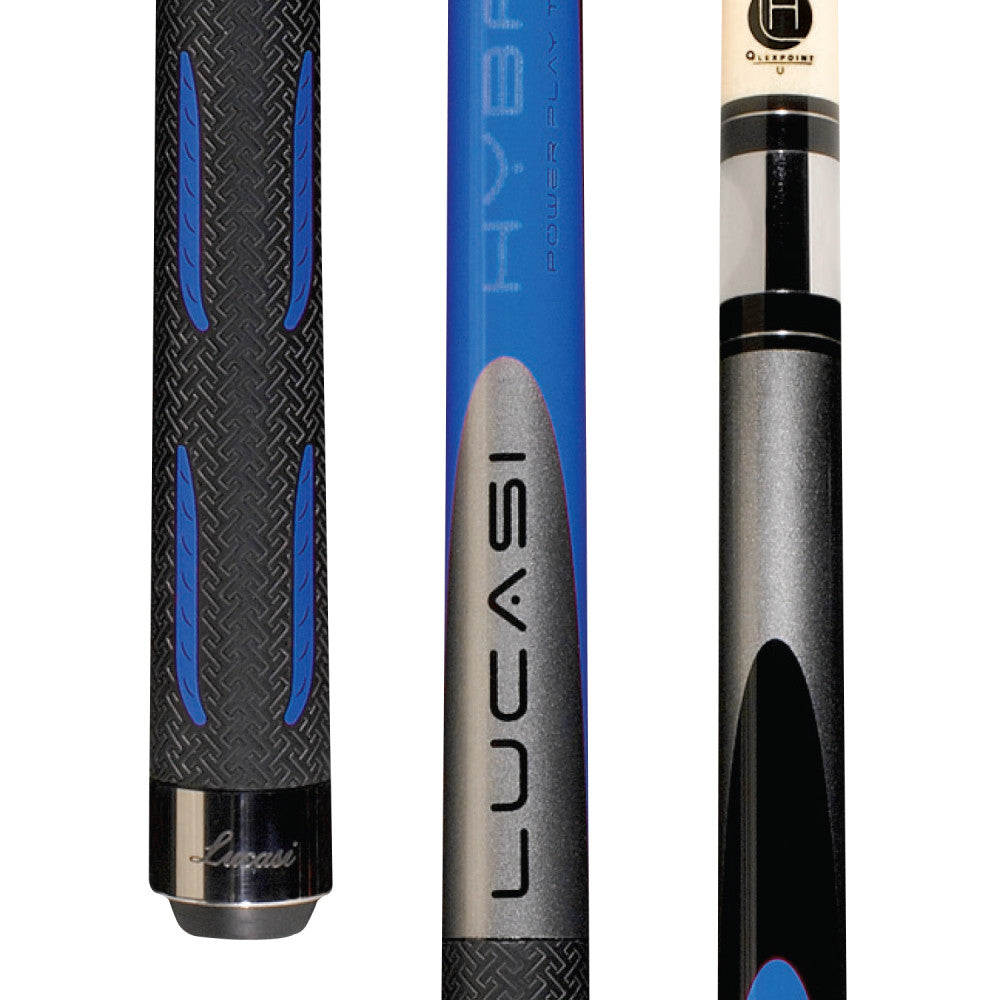
A pool room in New York just hosted one of the more interesting tournaments of the summer, and most American league players never heard about it. From July 29 through August 3, Joy Billiards in New York City ran the 2026 Heyball International Open U.S. Stop, an official WPA event with a $50,000 prize fund. When the dust settled, Jordan Shephard of the UK stood on top of a 128 player field, beating his own travel partner Stephen Ellis 13-7 in the final to collect $15,000.
If you play American 8-ball and you have never watched heyball, this event is worth your attention. The game punishes loose fundamentals in a way that standard pool tables simply do not, and the players who thrived in New York were the ones with the most accurate strokes. There are real lessons here for anyone trying to move up a skill level, and they connect directly to the equipment choices you make.
What Heyball Is, and Why It Is Exploding
Heyball, also called Chinese 8-ball, uses familiar 8-ball rules but plays on a table built more like a snooker table. The pockets have rounded entries instead of the wide angled openings on an American table, and the cushions are far less forgiving. A ball rolled down the rail at the wrong angle rattles and stays out. A pot that would drop on your league table catches the jaw and sits in front of the hole.
The format has become enormous in China, and promoters are now investing heavily in growing it worldwide. Joy Billiards, the New York room that hosted this event, has stated its goal of pushing heyball all the way to the Olympic stage. The room itself runs twelve dedicated heyball tables, and the tournament welcomed everyone from seasoned pros to juniors, with free entry for teenage and female players and just $50 for men.
How the Tournament Played Out
The field included serious names from conventional pool. Thorsten Hohmann, a multiple time world champion in 9-ball and straight pool, made a deep run before falling 7-6 to Christoph Neumeyer in the round of eight. Filipino standout Roland Garcia reached the quarterfinals too, where Shephard beat him 9-6.
The semifinals were lopsided. Shephard dismantled Ernesto Djoni 11-2 while Ellis rolled past Neumeyer 11-3, setting up an all UK final between two players who had traveled to the event together. Shephard sprinted to a 6-0 lead and kept stacking games until he sat at 11-4. Ellis surged late to make it 12-7, but the last rack told the whole story of the discipline heyball demands. Shephard played a safety rather than forcing a low percentage pot, Ellis missed the kick, and Shephard cleared the final two balls for the title.
Read that sequence again. With the match on his cue, one of the hottest players in the building chose defense first. That decision making, paired with a stroke accurate enough to cash the chance when it came, is exactly what separates players who win close sets from players who talk about bad rolls.
Three Lessons for Your 8-Ball Game
Aim for the center of the pocket, every time
American tables are generous, and that generosity builds bad habits. Players get away with pots that catch the rail first or split the jaws off center. On a heyball table those shots stay up, and the players with snooker backgrounds ruled the event in New York for exactly that reason. Train yourself to pot balls through the heart of the pocket at controlled speed. Your make percentage on tough shots will climb, and hangers will stop rattling out when the pressure is on.
Respect the safety game
The final rack in New York was decided by a safety and a missed kick, not a highlight reel pot. Most league players shoot at everything because defense feels like surrender. It is the opposite. A well played safety flips the table, forces your opponent into a foul or a weak reply, and hands you the rack on your terms. If you want a structured way to build this skill, working through a good drill book from our instructional section is a cheap upgrade to your win rate.
Precision starts with center ball
Tight pockets expose unwanted sidespin instantly. A cue ball struck a few millimeters off center squirts off line, and on rounded pocket entries that tiny error is the difference between a pot and a rattle. The best heyball players strike the vertical axis with monotonous consistency and only reach for spin when position demands it. Drill straight in shots where the cue ball stops dead. If it drifts left or right, you found the leak in your stroke.
Equipment That Rewards an Accurate Stroke
Here is where the lesson meets your gear. A cue with a quality low deflection shaft narrows the gap between where you aim and where the cue ball actually goes, especially when you do need sidespin. That is why we point precision minded players toward Lucasi cues, which pair tight production tolerances with genuinely playable low deflection shafts at a price well under boutique customs.
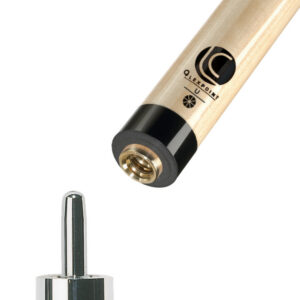
The Lucasi Hybrid Genesis in blue and metallic silver is a complete playing platform with the Sport G5 grip for players who want a modern feel. If classic wood is more your speed, the Lucasi Custom exotic bocote and curly maple wrapless cue delivers a clean hit with the kind of figure you usually see on cues twice its price. Already love your butt but fighting your shaft? The Zero Flexpoint 10 splice shaft at 12.75mm is a straightforward accuracy upgrade for any Uni-Loc cue.
Featured Lucasi Products
-
-
-
-
Will Heyball Take Off in the States?
The signs point that way. A $50,000 purse for a first year U.S. stop is serious money, the WPA sanction gives results real standing, and the room invested in a dozen purpose built tables rather than renting a convention hall. Snooker tables are reportedly going in next. If more American rooms follow, expect a wave of players discovering that their fundamentals need tightening, the same discovery Hohmann’s opponents made about him for two decades.
There is also a structural reason to take heyball seriously. The entry model in New York, free for juniors and women with a nominal fee for men, is built to grow a player base fast rather than to protect a purse. Sixteen year old Jake Jackson reaching the final eight in a field stacked with professionals shows the pipeline is already working. Formats that make room for new players while still paying real money at the top tend to stick around, and the businesses backing this one are playing a long game.
For American room owners and league operators, the takeaway is simple. Tighter conditions create better players, and better players stay in the game longer, buy better equipment, and bring friends. For individual players, the takeaway is even simpler. Whatever table you play on this week, practice like the pockets are smaller than they are.
You do not need a heyball table to start preparing. Pick the tightest equipment conditions you can find, pot through the pocket center, learn to love the safety battle, and play with a cue that tells you the truth about your stroke. Browse our full pool cue collection to find that cue, and if you are protecting a new investment, a proper case from our pool cue case selection is the cheapest insurance you will ever buy.
Jordan Shephard did not win $15,000 in New York because of luck. He won because his stroke held up when the pockets got small and the score got tight. That is a standard worth chasing on any table, in any format, at any level of play.

About Corey Bernstein
Corey Bernstein is a competitive pool player, billiards equipment specialist, and co-owner of Quarter King Billiards in Wilmington, North Carolina. With over a decade of experience in the sport, Corey has competed in regional APA and BCA sanctioned tournaments and maintains an intimate knowledge of cue construction, shaft technology, and table mechanics. As a certified dealer for brands including Predator, McDermott, Jacoby, Viking, Lucasi, Meucci, Joss, and Cuetec, Corey personally tests and evaluates every cue that comes through the shop. His hands-on approach to the business means he has racked thousands of hours behind the table — breaking in shafts, comparing tip compounds, and dialing in the nuances that separate a good cue from a great one. When he is not behind the counter or on the table, Corey is researching the latest advances in low-deflection technology, carbon fiber shaft construction, and cue ball physics. His articles on Quarter King Billiards combine real-world playing experience with deep product knowledge to help players at every level find the right equipment for their game.