 844 408 3056

 Hot Deal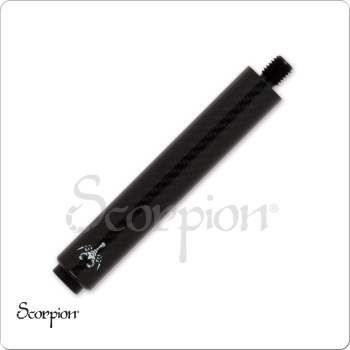
Pool cue extensions used to feel like specialty accessories reserved for a few tall-order shots or players who wanted pro-level gear because it looked cool. In 2026, that is no longer the real conversation. Extensions are now part of everyday league and tournament setups for many players, especially as more people carry dedicated break cues, jump cues, and larger match-night cases. The smarter question is not whether an extension belongs in your bag. It is which length actually helps your game.
Most players make the same early mistake. They think more reach is automatically better. It is not. Added length changes balance, timing, and how naturally the butt travels through the back hand. A short extension can feel almost invisible. A medium one can save posture on stretched shots. A long one can be a real tool, but only if you actually understand when to use it.
Why extensions matter more now
Modern pool has become more equipment-aware, and that is not a bad thing. Players are better at noticing how tiny setup problems affect execution. Reaching too far over the table, standing up in the stroke, jamming the butt into your body, or trying to force a smooth delivery from an awkward bridge all create misses that players often blame on nerves. Many of those misses are really positioning and comfort problems.
That is why extensions keep growing in popularity. They let players stay down longer, keep the cue on a cleaner line, and avoid the ugly in-between body positions that show up on long reach shots. The best use case is not “I can now shoot anything from anywhere.” It is “I can preserve a more normal stroke on shots that used to feel cramped or stretched.”
When a 3-inch extension is the right call
A short extension is often the most useful option for players who want just a little more reach without changing the cue too dramatically. Something like the Predator EXTRPRE3 3-inch Rear Extension works well when the shot is only barely outside your natural comfort zone. It is also a nice option for players who dislike the feeling of a longer back-end change but still want help on larger tables.
The big advantage of the 3-inch class is that timing stays familiar. You are not radically changing the cue’s personality. For league players who only occasionally need extra reach, this is often the safest entry point.
Why 8 inches is the sweet spot for many tournament players
For a lot of serious players, the middle length is where cue extensions become truly practical. An 8-inch add-on usually creates enough extra reach to matter while still feeling manageable in the stroke. If you regularly compete on 9-foot tables or find yourself bridging awkwardly over traffic, a model like the Predator EXTRPRE8 8-inch Rear Extension often lands in the best balance zone.
This is the length that helps players stop cheating their posture. Instead of elevating slightly and poking at the shot, you can stay more connected to the line. That makes soft position play, touch shots, and pressure situations far more survivable than they are with a desperate stretch.
What a 12-inch extension is really for
A 12-inch rear extension is a real tool, not a toy, but it is also the easiest one to misuse. The Predator EXTRPRE12 12-inch Rear Extension can be excellent for shots that would otherwise force a mechanical bridge or a badly compromised stance. But it also changes the cue much more noticeably. If your timing is already inconsistent, the longest option can magnify that instead of solving it.
Players who benefit most from 12 inches are usually the ones who practice with it enough to understand the altered balance. They are not attaching it at random and hoping talent handles the rest. They know when the extra length protects a normal delivery and when a bridge or a different pattern choice is smarter.
The hidden cost of using the wrong extension
The wrong extension length does not always create obvious misses. Sometimes it just makes speed control a little worse. The cue may feel butt-heavy. Your acceleration may get grabby. You may over-hit slow routes because the back end feels different in transition. Those are exactly the kinds of subtle problems players overlook after the shot, even though they are the real reason the cue ball drifted two diamonds too far.
That is why extension shopping should be tied to actual table situations, not just brand loyalty or the desire to carry more gear. Ask yourself what shot type keeps bothering you. Is it reach across open table space? Is it bridging over traffic? Is it staying down on touch shots without feeling crowded? Your answer points to the length more clearly than hype ever will.
Carrying the setup properly matters too
Once players add extensions, they often outgrow their old storage setup faster than expected. An organized case helps the whole system work better, especially if you are also carrying a break cue, spare shaft, glove, chalk, and tip tools. A larger match-night option like the Action Textured 3×5 Hard Case or the Lucasi LC5 Leatherette 4×8 Soft Case can make extensions feel like part of a clean routine instead of another loose accessory floating around your car.
The best 2026 extension mindset
In 2026, cue extensions are not about looking equipped. They are about protecting stroke quality on shots that tempt players into bad body positions. If you only need a little extra help, 3 inches may be perfect. If you play bigger tables regularly, 8 inches is often the most practical sweet spot. If you want 12 inches, treat it like a serious tool and learn it properly.
The best extension is the one that lets you stay simpler, lower, and calmer on the shot. If it makes you feel like you are wrestling the cue, it is the wrong length, no matter how popular it is.

About Corey Bernstein
Corey Bernstein is a competitive pool player, billiards equipment specialist, and co-owner of Quarter King Billiards in Wilmington, North Carolina. With over a decade of experience in the sport, Corey has competed in regional APA and BCA sanctioned tournaments and maintains an intimate knowledge of cue construction, shaft technology, and table mechanics. As a certified dealer for brands including Predator, McDermott, Jacoby, Viking, Lucasi, Meucci, Joss, and Cuetec, Corey personally tests and evaluates every cue that comes through the shop. His hands-on approach to the business means he has racked thousands of hours behind the table — breaking in shafts, comparing tip compounds, and dialing in the nuances that separate a good cue from a great one. When he is not behind the counter or on the table, Corey is researching the latest advances in low-deflection technology, carbon fiber shaft construction, and cue ball physics. His articles on Quarter King Billiards combine real-world playing experience with deep product knowledge to help players at every level find the right equipment for their game.