 844 408 3056

 Hot Deal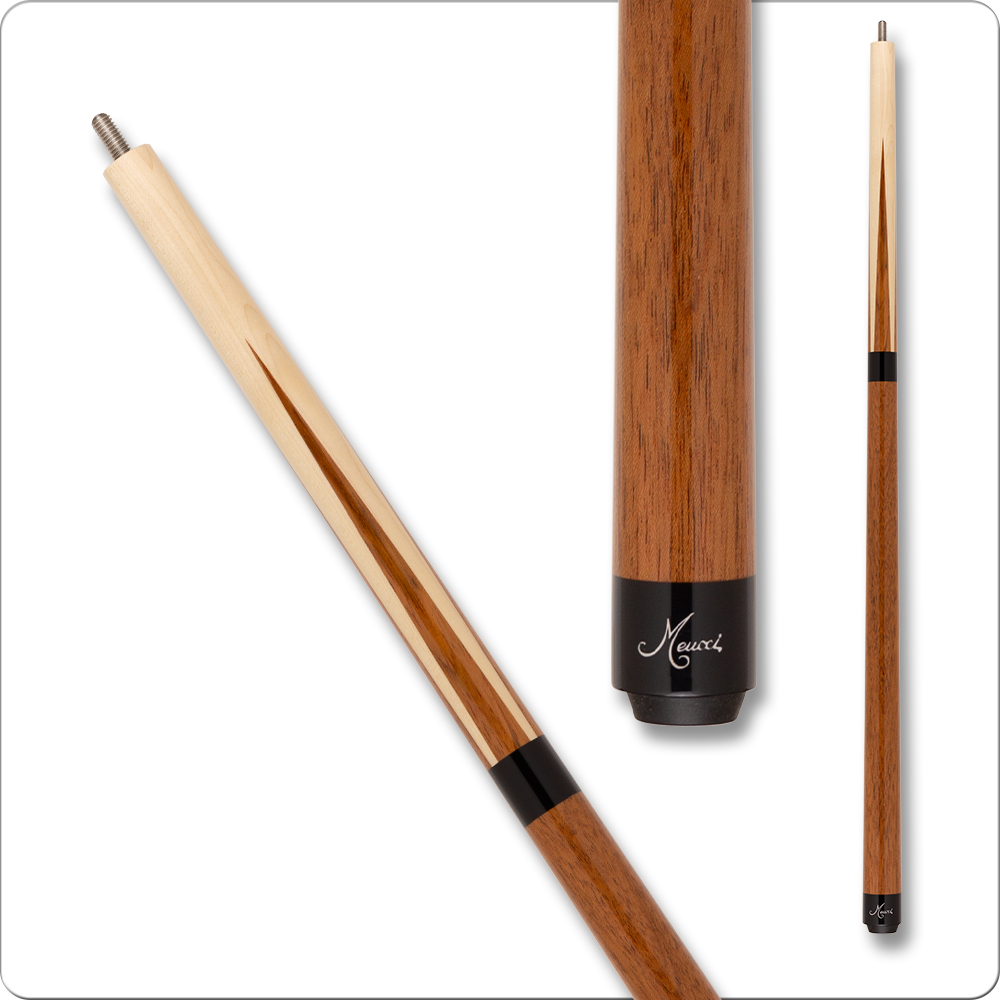
Pool players spend most of their practice time on cuts, banks, and breaks. The shot most people lose games to never appears in highlight reels. A well executed safety, the kind that hides the cue ball behind a blocker or leaves your opponent kicking three rails for a hit, ends innings before they begin. Defensive play is half of high level pool, and it is the half league players almost never train.
This guide breaks down what a safety actually is, the categories every player should know, the equipment that helps you execute them, and a small set of drills that turn safeties into a weapon. Whether you grind through APA league nights or sit down at a money game, the player who controls the cue ball after the miss controls the match. For broader cue selection context, our pool cues category walks through brands and styles by price tier.
What Counts as a Safety in Pool
A safety is any shot taken with the primary goal of leaving your opponent without a clean make. You can pocket a ball on a safety, you can miss the object ball on purpose, you can intentionally play to push the cue ball to a tough rail position. The shared trait is intent. The shot is not about scoring. It is about denying.
The classic split is between offensive safeties, where you pocket a ball and still hide the cue, and pure defensive safeties, where you accept that you will hand the table over and focus only on making the next inning expensive. Most pros use both. League players tend to ignore both.
Rule sets vary on what is legal. World Pool Association nineball and tenball require the cue ball to hit the lowest numbered ball first and one ball to reach a rail or be pocketed. Eight ball under most house rules requires a ball of your group to be hit first and a rail contact or pocket after contact. Always know the call shot status of your league before you intentionally play short, because some sets call any failed contact a foul plus ball in hand.
The Five Safeties Every Player Should Drill
The Hook Behind a Blocker
The most common safety. Hit the object ball thin, stop the cue ball behind a non target ball, force your opponent to kick or jump. The mechanic that wins this shot is cue ball speed control, not aim. Practice it by setting the eight ball as a blocker and trying to hide the cue ball behind it from five varied starting positions. The shaft you swing matters here because deflection at slow speed determines whether you actually freeze where you planned.
The Distance Safety
Two rail separation. Send the cue ball one end of the table, send the object ball to the other. Even with a clean look, your opponent now faces a long pot under pressure. This is the safety used most in nineball and tenball when no obvious hook is available.
The Two Way Shot
You go for the pot, but the cue ball is mapped to a safe position even on a miss. This is the safety pros use when a low percentage cut sits next to a stack. You commit to running, but your insurance is positional. A predictable break tip and a low deflection shaft pay you back here, because the same stroke produces the same outcome twice.
The Frozen Ball Safety
Cue ball freezes against the object ball after contact, or sits dead on a rail with the object ball blocking the route. These usually require touch shots executed with a level cue and a steady bridge. A clean sneaky pete with a one piece feel, like the Meucci MESPN Sneaky Pete with Rosewood Points, is a favorite among tactical players because the lower deflection joint and traditional shaft hold their line when you barely tap the cue ball.
The Return Safety
Your opponent hooked you. Instead of trying to escape, you play a one rail or two rail kick that rolls the object ball into a return hook. This is the highest skill safety on the list and the one that separates winning league players from professionals. It is also the safety where bridge work matters most, because a stable mechanical bridge stick keeps the cue level when the angle blocks your normal bridge hand.
The Equipment That Actually Helps Safeties
Safeties live on speed control. Three pieces of equipment quietly do the work.
A low deflection shaft. Throwing the cue ball one foot off a thin hit at slow speed is the difference between a frozen hook and a sit up. Carbon fiber shafts and modern low deflection wood shafts both help, but they hit differently. A traditional players preference is a wood low deflection shaft. A pattern runner who wants the same hit every match often picks carbon. Our carbon fiber category includes shaft options that pair with most major joints.
A consistent tip. Soft tips grip more chalk and give you better touch on slow safeties. Medium tips are the safest all around choice for league players who break with the same cue. Hard layered tips reduce miscues on power safeties when you need to drive the cue ball through traffic.
A sneaky pete or no wrap playing cue. Many tactical players prefer a clean, traditional feel for safeties because the cue ball reaction is predictable across the room. The McDermott Titanium Sneaky Pete is one example of a working class playing cue with a stable joint and a wrap free handle that comes back to the same balance every shot. At the high end, the Predator P3 Black No Wrap and the Mezz ZZAS31 deliver low deflection plus a butt weight that suits the slow paced strokes safety play demands.
Three Safety Drills That Actually Translate
The L Drill for Speed Control
Place the cue ball on the head spot. Place an object ball on the foot spot. Play a stop shot. Then play a one diamond follow. Then two diamonds. Then three. Then back down. The point is not to pocket the ball, it is to hit each target zone with the cue ball. Speed control is the single biggest predictor of safety success, and this drill builds it in fifteen minutes a day.
The Hook Map
Place an eight ball anywhere on the table. Place an object ball anywhere. Stand back. Find every cue ball spot that would hook your opponent behind the eight ball after a thin hit. There are usually three or four positions per layout. Walk to each one, set the cue ball, and play the safety. You are training your eye to recognize where hooks live, not just how to play one.
Kicking Out of Hooks
Set yourself a hook on every shot for an entire practice. Force yourself to kick out, hit the right ball first, and leave the table without giving up ball in hand. This drill makes you a worse offensive player short term and a much better match player long term. The diamond system covered in our earlier kick shots guide pairs naturally with this drill.
Safety Play in Eight Ball Versus Nineball
Eight ball rewards strategic safeties. With seven of your group already on the table, you can lock balls behind your own group, freeze the cue ball against your last ball before the eight, and tie up clusters in places that block the right pocket. Eight ball safeties tend to last several innings before either player commits.
Nineball and tenball reward sharp safeties. Because both players hit the lowest numbered ball first, you can map exactly where the cue ball needs to go after contact. The two way shot dominates competitive nineball. Hill hill nineball matches at the pro level often come down to who plays the better single safety in a single rack, which is why the WPA tour produces so many one or two safety endgames.
The League Player Path to Safety Confidence
Most APA, BCA, and CSI league players never play a deliberate safety. The reason is not skill, it is habit. Players are conditioned to attempt the make on every shot because runs feel productive and safeties feel cautious. The data does not agree. At any skill level, the player who turns one shot per rack into a safety lowers their opponent run percentage measurably.
Start by setting a goal of one safety per game. Pick the longest, lowest percentage shot you face each rack and play a safety instead. Track wins. Most players see a noticeable bump within a month, and the habit sticks once the results show up on the league sheet. Pair your safety practice with a stable playing cue you bring to every match, a low deflection shaft you trust, and a tip you do not have to think about. The equipment will not save you on the hard ones, but it will stop subtracting from the easy ones.
For a deeper look at how pattern play and safety play work together at the pro level, our retrospective on Aloysius Yapp at the 2026 8-Ball World Championship covers exactly how a top pro sequences pots and locks at the same time. And when you are ready to upgrade your playing cue, our pool cues collection covers options from working class sneaky petes to tournament grade low deflection setups.

About Corey Bernstein
Corey Bernstein is a competitive pool player, billiards equipment specialist, and co-owner of Quarter King Billiards in Wilmington, North Carolina. With over a decade of experience in the sport, Corey has competed in regional APA and BCA sanctioned tournaments and maintains an intimate knowledge of cue construction, shaft technology, and table mechanics. As a certified dealer for brands including Predator, McDermott, Jacoby, Viking, Lucasi, Meucci, Joss, and Cuetec, Corey personally tests and evaluates every cue that comes through the shop. His hands-on approach to the business means he has racked thousands of hours behind the table — breaking in shafts, comparing tip compounds, and dialing in the nuances that separate a good cue from a great one. When he is not behind the counter or on the table, Corey is researching the latest advances in low-deflection technology, carbon fiber shaft construction, and cue ball physics. His articles on Quarter King Billiards combine real-world playing experience with deep product knowledge to help players at every level find the right equipment for their game.