 844 408 3056

 Hot Deal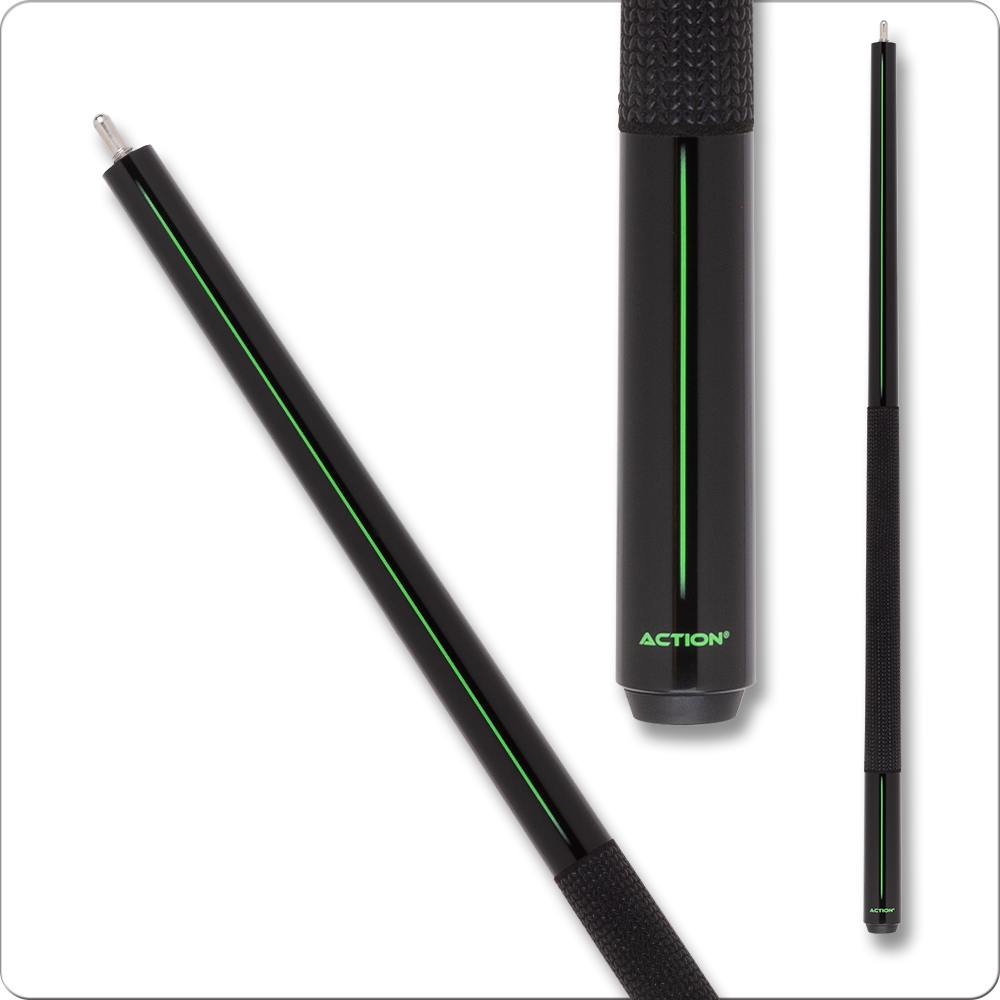
There is a moment most players hit where the bar cue stops being good enough. The tip is mushroomed, the shaft has a bow you can see by rolling it on the table, and the joint rattles. You start to wonder whether your missed shots are your fault or the equipment’s fault, and that uncertainty is exactly why buying your own cue is one of the best upgrades you can make. A cue that is straight, clean, and consistent removes the excuse and lets you actually learn.
The trap is overthinking it. New buyers either freeze in front of hundreds of options or overspend on a cue built for a level they have not reached yet. Here is how to choose a first cue that fits where you are now and still has room to grow with you.
What a house cue is really costing you
A house cue is shared, abused, and never maintained. The tip is usually too hard and glazed over, so it grabs chalk poorly and gives you almost no control on spin shots. The shaft is often warped, which means the cue does not point where you aim it. Worst of all, you play with a different cue every single visit, so you never build the muscle memory that comes from a consistent hit.
Your own cue fixes all three problems at once. The tip is fresh and shaped the way you like, the shaft is straight, and the hit is identical every time you chalk up. That consistency is what lets your practice actually accumulate instead of resetting each session. For many players the jump from a house cue to even a modest personal cue is worth several balls a rack.
Weight, tip, and joint without the jargon
You do not need to memorize specifications to buy well. Three things matter most. Weight comes first, and most players settle between 19 and 19.5 ounces, which balances control and power for a beginner. If you are unsure, start there. Tip hardness comes next. A medium tip is the friendly default because it holds chalk, gives decent spin, and does not need constant attention.
The joint, where the shaft screws into the butt, affects feel more than performance for a new player, so do not lose sleep over it. What matters far more is buying from a real cue maker rather than a toy store blister pack. A genuine entry level cue from a respected brand will be straight, balanced, and built to be re tipped and maintained for years.
Start with a break cue you will not regret
Once you own a nice playing cue, the fastest way to ruin it is to break with it. The break is the most violent shot in pool, and repeated full power breaks flatten tips and stress shafts. A dedicated break cue is the cheapest insurance you can buy for your main investment. It also tends to break better, because break cues are built with stiffer shafts and harder tips that transfer energy into the rack.
You do not need to spend much here. The Action ABK09 break cue is a proven, affordable workhorse that does exactly one job well. If you want a little more attitude in the look, the Eight Ball Mafia EBMBK03 break cue brings a bolder style at a similar price point. Either one protects your playing cue from day one. Browse the full break cue collection to see the range.
Picking a playing cue that grows with you
For the cue you will actually play with, the smart entry path has changed. Carbon fiber technology that used to cost more than a thousand dollars now reaches into the price range of a serious first cue, and it brings low deflection performance that makes spin and position far more predictable for a developing player. That predictability accelerates learning, which is exactly what a beginner needs.
A cue like the Poison Candy with a carbon fiber shaft gives you genuine performance and a personality that stands out on the rack, without the intimidating flagship price. If you are not ready for a whole new cue but want to feel the difference carbon fiber makes, an aftermarket option such as the Quarter King carbon fiber shaft can modernize a cue you already own.
Protect your investment with a case and simple care
Buying a good cue and then tossing it in a trunk loose is how new owners ruin a cue in a month. Heat and humidity warp wood, and a single hard knock can crack a joint. A basic hard case is cheap protection that pays for itself the first time it saves your shaft. Even a soft case beats carrying the cue bare, and a two by two case gives you room for both your playing cue and your break cue together.
Maintenance is just as simple. Wipe the shaft down with a clean dry cloth after each session to remove chalk and hand oils, which keep it smooth and stop it from getting sticky. Keep the tip shaped and scuffed so it holds chalk. Store the cue standing up or lying flat, never leaning at an angle for long periods, which encourages a bend. Five minutes of care per session keeps a quality cue playing true for years.
The first-cue mistakes to avoid
The most common error is buying for looks alone. A flashy paint job tells you nothing about how the cue hits or whether it is straight. Pretty cues from unknown makers are often heavy, poorly balanced, and impossible to maintain. Spend your money on build quality first and aesthetics second, and you will get a cue that actually helps your game.
The second mistake is overspending too early. A beginner does not need a two thousand dollar custom cue, because they cannot yet feel what that money buys. A well made entry level or mid range cue teaches you what you like in a hit, so that when you do upgrade later, you upgrade with knowledge instead of guesswork. The third mistake is skipping the break cue, which we already covered, and it remains the cheapest way to protect everything else you buy.
A simple budget plan
Here is a clean way to spend a first cue budget. Put the bulk of it toward a quality playing cue that feels good in your hands and is straight and consistent. Set aside a small amount for an inexpensive dedicated break cue so you never break with your good cue. Then reserve a little for a case and a basic tip tool. That three part split gives you everything you need to play, protect your gear, and keep it maintained, without blowing the whole budget on a single cue you will outgrow.
When to upgrade again
A good first cue should last you a long time, but you will eventually feel the ceiling. The clearest sign is when you can describe exactly what you want that your current cue does not give you, such as a thinner shaft, lower deflection, or a different balance point. That specific language means you have developed real preferences, and now an upgrade will actually pay off instead of being a guess.
When that day comes, you do not always need a whole new cue. Many players get a major performance jump simply by adding a premium carbon fiber shaft to a butt they already love, which costs far less than a full custom build. Whether you upgrade the shaft or the entire cue, the knowledge you gained on your first cue is what makes the second purchase a smart one rather than another expensive lesson.
Buy once, buy right
The goal of a first cue is not to find a forever cue on your first try. It is to get a straight, consistent, well made instrument that lets your practice count and gives you room to improve. Add a cheap dedicated break cue to protect it, choose a medium tip and a comfortable weight, and you are set for years of progress. When you are ready to start shopping, the full pool cue selection has options at every price, so you can graduate from the house cue once and not look back.

About Corey Bernstein
Corey Bernstein is a competitive pool player, billiards equipment specialist, and co-owner of Quarter King Billiards in Wilmington, North Carolina. With over a decade of experience in the sport, Corey has competed in regional APA and BCA sanctioned tournaments and maintains an intimate knowledge of cue construction, shaft technology, and table mechanics. As a certified dealer for brands including Predator, McDermott, Jacoby, Viking, Lucasi, Meucci, Joss, and Cuetec, Corey personally tests and evaluates every cue that comes through the shop. His hands-on approach to the business means he has racked thousands of hours behind the table — breaking in shafts, comparing tip compounds, and dialing in the nuances that separate a good cue from a great one. When he is not behind the counter or on the table, Corey is researching the latest advances in low-deflection technology, carbon fiber shaft construction, and cue ball physics. His articles on Quarter King Billiards combine real-world playing experience with deep product knowledge to help players at every level find the right equipment for their game.