 844 408 3056

 Hot Deal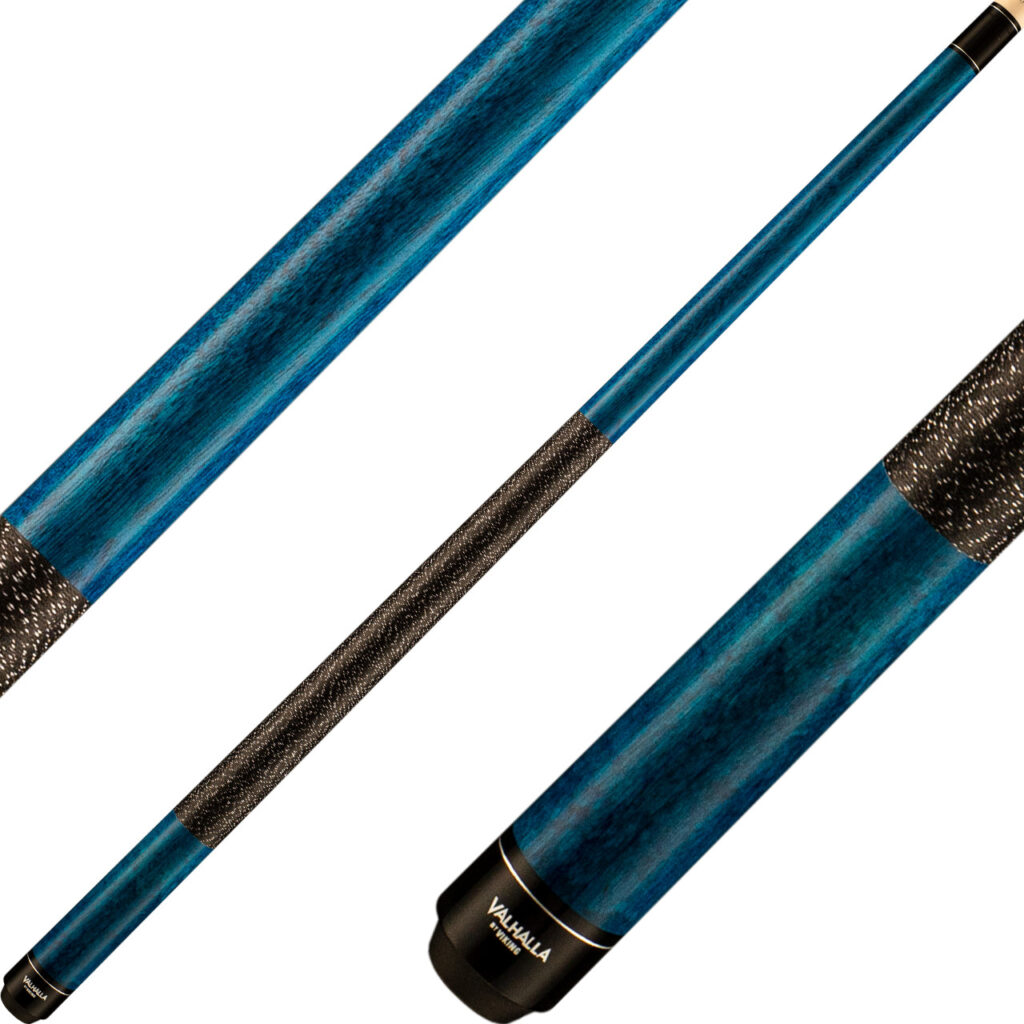
Right now, inside the Westgate Las Vegas Resort and Casino, hundreds of pool tables are packed into convention ballrooms and every one of them is busy. The APA World Pool Championships run from August 4 through August 15 this year, and the event remains the largest amateur pool gathering on the planet. Teams that survived local league sessions and regional qualifiers have flown in from all over North America and beyond to compete for national titles in 8-Ball and 9-Ball. If you play in a weekly league anywhere, this event is the top of your mountain.
Most coverage of professional pool focuses on the touring elite. The APA Worlds are different. The players grinding through brackets in Vegas this week are bartenders, nurses, teachers, and retirees. They are skill level 3s and skill level 7s playing on the same team, protected by the Equalizer handicap system that makes league pool work. That makes the lessons from this event far more useful to the average player than anything you will see from a $500,000 pro final. Here is what the biggest league event in pool can teach you, and how to build a bag that would survive two weeks in a casino ballroom.
Consistency Wins Handicapped Pool
Handicapped formats punish flash and reward repeatability. In APA 8-Ball, your skill level is driven largely by innings, the number of turns it takes you to close out racks. A player who runs four balls every single inning will beat a player who runs eight balls once and then hangs the 8 three times. The teams that go deep in Vegas are almost never the ones with a single superstar. They are the ones where every player performs close to their established level, match after match, day after day.
The practical takeaway for your own game is blunt. Stop practicing hero shots. Spend your table time on the three skills that control innings: cue ball speed, simple position routes, and safeties that leave your opponent nothing. A skill level 4 who learns to duck when there is no makeable ball becomes a nightmare in league play. Defense counts in the APA scoring system, and the players who understand that arithmetic win far more than the ones who fire at everything.
Two Weeks in a Ballroom Is an Equipment Test
Vegas in August is brutal on gear. Players walk from 105 degree heat into aggressively air conditioned convention space, and their cues ride along in cars, shuttle buses, and hotel rooms. Wood moves when humidity swings like that. Tips glaze from hours of play on fresh cloth. Ferrules take hundreds of breaks in a single week. The players who brought reliable, well built cues think about none of this. The players who brought fragile or poorly maintained equipment spend the most important week of their season fighting their own gear.
This is the argument for buying a cue from a maker with real manufacturing standards and a real warranty, even at the entry level. It is also the argument for owning your own cue in the first place. Nobody who cares about their league stats should be breaking and shooting with a different house cue every week. Your stroke deserves the same tip, the same taper, and the same weight every time you play, because that consistency is exactly what handicapped pool rewards.
Why Viking Shows Up in So Many League Bags
Walk the aisles at an APA national event and you will see certain brands over and over. Viking is one of them, and there are good reasons for that. Viking has been building cues in Wisconsin since 1965, the company backs its cues with a lifetime warranty, and the lineup covers everyone from a first season league player to a veteran skill level 7. For league players who want American construction without a custom cue price, it is one of the easiest recommendations in the sport.

The Valhalla series is Viking’s value line, and it is the sweet spot for newer league players. The Valhalla VA113 at $150 gives you a straight, well balanced playing cue with a lifetime warranty for less than many players spend on a single night of gambling at the Westgate. The Valhalla VA101 at $140 is a similar story with cleaner, more traditional styling. Either one is a massive upgrade over rotating house cues, and both hold their value if you upgrade later.
When you are ready to step up, the core Viking line adds nicer woods, sharper inlay work, and Viking’s ViKORE performance shaft. The Viking VIK226 at $360 is a workhorse that will not look out of place on a televised table, and the VIK230 at $450 dresses the same playability in richer cosmetics. These are cues built to be played daily for decades, which is exactly the kind of purchase a serious league player should make once and stop thinking about.
Featured Viking Products
Play the Player Count, Not the Player
One more thing the APA format teaches better than any other event: pool is a team sport at the amateur level. The five player match format in Vegas means captains are constantly making chess moves, throwing their skill level 2 against the other team’s 7 to save their strongest players for winnable matchups. Even if you never captain a team, understanding why you were thrown into a specific match changes how you approach it. Sometimes your job is to win. Sometimes your job is to make the opponent’s best player spend forty minutes beating you so your teammates get easier assignments.
That mindset shift matters for equipment too. A team where everyone owns a dependable cue, keeps a shaped tip on it, and carries chalk they trust is a team that never donates an inning to preventable misses. It sounds small. Over a two week national event, or a sixteen week league session, small edges are the entire game.
The 9-Ball format sharpens this even further. APA 9-Ball scores by balls pocketed rather than racks won, so every single ball you make or leave hanging changes the match arithmetic. Players who track the score ball by ball make smarter push out and safety decisions than players who only think in racks. Watch any veteran team in Vegas this week and you will see them counting constantly.
Getting Yourself to Vegas Next Year
The path to the Worlds starts at your local league night, and the qualification math favors players who commit early. You need to be on a roster, you need the minimum number of matches played to be eligible, and your team needs to survive local playoffs and regionals. The players who treat spring session as preparation, not just recreation, are the ones booking flights in July.
Preparation does not require a home table. Thirty focused minutes twice a week beats three unfocused hours on Saturday. Work a simple circuit: ten minutes of stop shots at increasing distance, ten minutes of position play limited to one rail routes, and ten minutes of the safeties you refuse to try in matches. Track your innings in practice racks so improvement is measurable instead of vibes. And get your equipment sorted now, not the week before regionals. A new cue takes a few weeks to feel like yours, and a new tip needs settling time before it holds chalk the way you want.
Whether your goal is a Vegas bracket or just a better win percentage on Tuesday nights, the formula the APA Worlds rewards is the same one that works at every level of this game. Show up with equipment you trust, play the percentages your skill level supports, and let the flashy players beat themselves. Browse the full Viking cue collection or the complete pool cue lineup at Quarter King Billiards and put a league ready cue in your bag before the fall session starts.

About Corey Bernstein
Corey Bernstein is a competitive pool player, billiards equipment specialist, and co-owner of Quarter King Billiards in Wilmington, North Carolina. With over a decade of experience in the sport, Corey has competed in regional APA and BCA sanctioned tournaments and maintains an intimate knowledge of cue construction, shaft technology, and table mechanics. As a certified dealer for brands including Predator, McDermott, Jacoby, Viking, Lucasi, Meucci, Joss, and Cuetec, Corey personally tests and evaluates every cue that comes through the shop. His hands-on approach to the business means he has racked thousands of hours behind the table — breaking in shafts, comparing tip compounds, and dialing in the nuances that separate a good cue from a great one. When he is not behind the counter or on the table, Corey is researching the latest advances in low-deflection technology, carbon fiber shaft construction, and cue ball physics. His articles on Quarter King Billiards combine real-world playing experience with deep product knowledge to help players at every level find the right equipment for their game.