Most players think about position play one shot at a time. You look at the ball in front of you, figure out where you need the cue ball to land for the next shot, and hit it. That works fine until the layout gets crowded, and then the player who only thinks one shot ahead starts hooking themselves on their own ball or leaving a stone dead safety for the other side. Pattern play is the habit of reading the whole rack before you ever pull the trigger on the break, or before you even shoot your first ball on an open table. It is the difference between reacting to a layout and actually controlling it.
What Pattern Play Really Means
A pattern is simply the order you plan to clear the balls in, decided before you commit to your first shot. Strong players are not thinking about one position at a time. They are looking at the whole table and asking which groups of balls create trouble, which ones are simple, and in what order those groups should be cleared so the hard ones get solved while the table is still open. Wait too long to deal with a cluster and you may not have the angle left to break it apart safely.
This is not just a nine ball or straight pool idea. Even in eight ball, where the group you are shooting is fixed once it is your turn, pattern play decides which of your seven balls you take first, and it decides whether the eight ball is going to be sitting in a friendly spot or buried behind traffic when you finally get to it.
The Two Ball Rule: Plan Your Last Shots First
One of the oldest and most useful habits in pattern play is working backward. Before you take your first shot, identify your last two balls and the position you will need on the final one to have a clean shot at your money ball, whether that is the nine, the ten, or the eight. Once you know where you need to finish, you can work backward through the rest of the rack and figure out what order actually gets you there. Straight pool players have used a version of this for a century, breaking a full rack down into a key ball and a break ball long before they touch the first shot. The same thinking applies just as well to a scattered nine ball layout.
Reading Clusters Before They Become Problems
Every layout has at least one group of balls sitting close enough together that a bad angle will leave you snookered or unable to separate them cleanly. The mistake most club players make is saving that cluster for last, hoping it will somehow untangle itself. Strong pattern players do the opposite. They look for a shot earlier in the rack that lets them brush the cluster apart as a bonus, using position on a different ball to nudge a problem group into shape without spending a shot directly on it.
If no such shot exists, the cluster becomes the anchor your whole pattern is built around. Everything else gets sequenced to leave you the right angle and the right cue ball speed to address it while you still have room to work.
Why a Consistent Cue Matters for Executing the Plan
Planning the perfect route through a rack does not help much if your cue does not deliver the speed and angle you asked for. Pattern play depends on precise, repeatable position, not just rough position. A half diamond of extra roll on what should have been a stop shot can turn a clean three ball run into a forced safety. That is where the cue in your hands starts to matter as much as the plan in your head.
Cuetec has built its reputation on exactly this kind of forgiving consistency. The AVID series uses a fiberglass reinforced core designed to keep the hit predictable shot after shot, and the SVB line, built with input from Shane Van Boening, is aimed squarely at players who need dependable position control under tournament pressure. A shaft that performs the same way on your fortieth shot as your first makes it much easier to trust the plan you built at the start of the rack.
Featured Cuetec Products
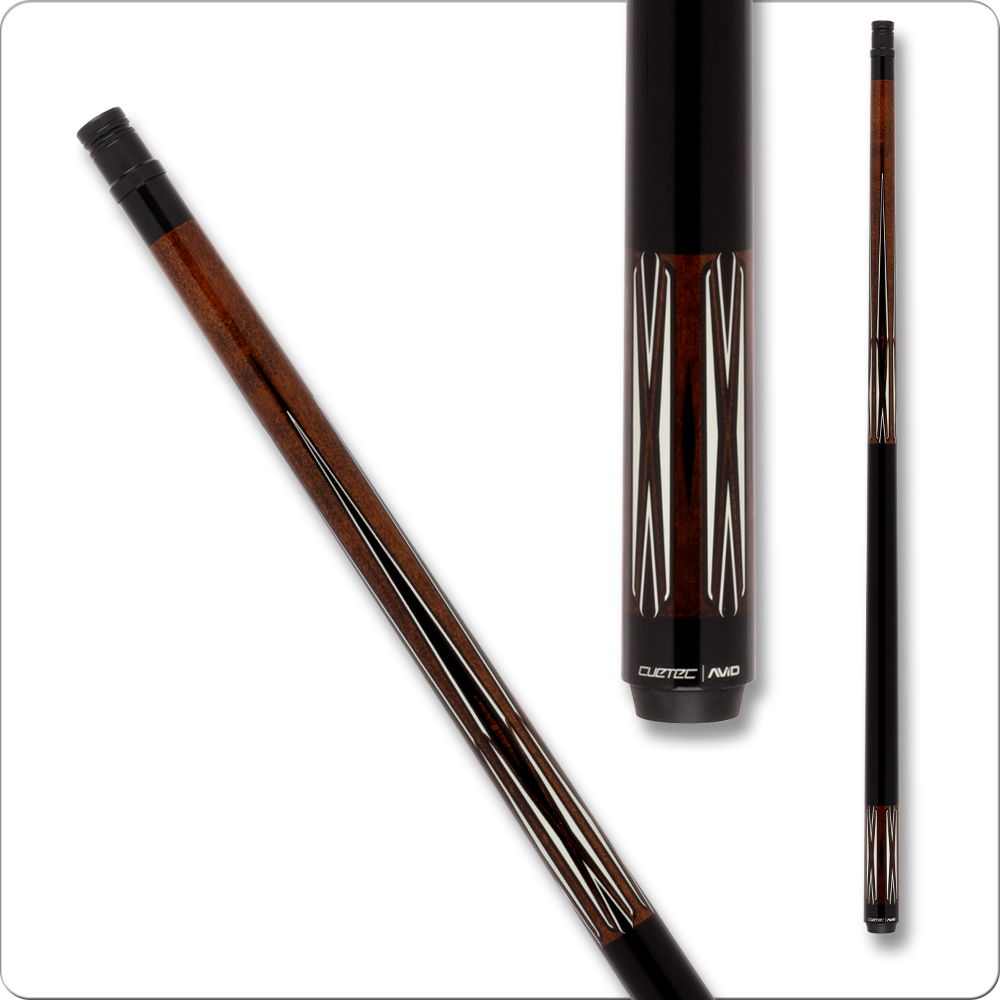
These four Cuetec cues are built around the kind of consistent hit that pattern play depends on, from the value focused AVID line to the tour proven SVB series.
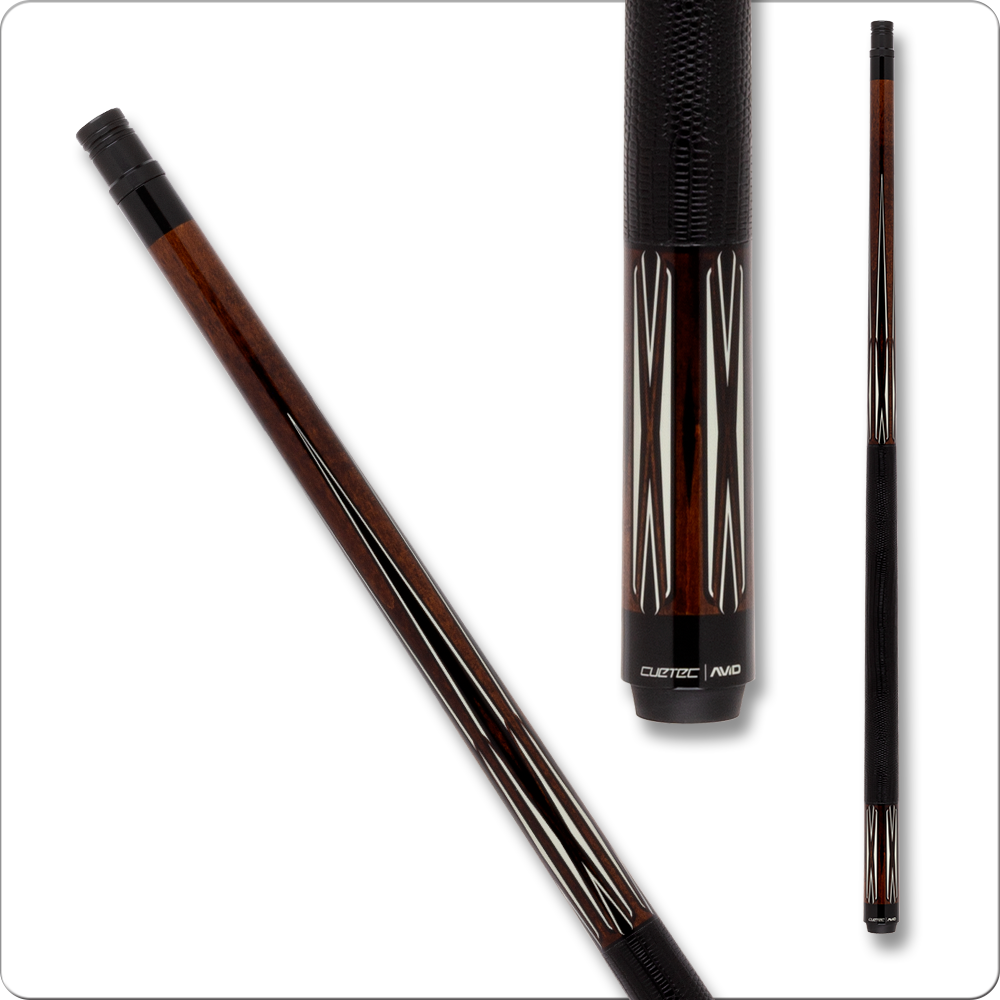



The AVID Line for Everyday Pattern Practice
The Cuetec AVID CT326NW and the Cuetec AVID CT325LTC both sit under $450 and give a player working on pattern play a shaft that behaves the same way shot after shot, which matters more during practice sessions than most players realize. You cannot learn to trust a plan if your equipment is the variable that keeps changing.
For players ready to invest in a cue built for tournament level position control, the Cuetec SVB Black Gen 2 carries the same design philosophy that Shane Van Boening relies on for the kind of precise, run out pool that pattern play is meant to produce.
How Pattern Play Changes by Game
In nine ball, the rotation rule limits your choices, so pattern play is mostly about angle management between whatever balls are legal to shoot next and about not burying yourself on a combination you will be forced into later. The skill is less about picking an order and more about controlling the angle you leave yourself on each numbered ball as it comes up.
In eight ball, pattern play starts the moment you get to choose stripes or solids. A strong player scans both groups before committing, looking for which set breaks open more cleanly and which set leaves the eight ball in a reachable spot at the end. Once the group is chosen, the same backward planning applies. Find your out ball, the one clear shot at the eight, and work backward from there.
Straight pool is where pattern play was formalized long before anyone called it that. Fourteen balls have to be cleared while preserving a break ball to open the fifteenth rack, and generations of straight pool players have used the key ball and break ball concept as a template that nine ball and eight ball players still borrow from today, whether they realize it or not.
A Simple Drill to Build the Habit
Rack a random assortment of eight or nine balls on an empty table with no set game in mind. Before touching a ball, write down or say out loud the order you plan to clear them in and where you expect the cue ball to land after each shot. Then play it out and compare what actually happened to your plan. Most players are surprised how often their plan and their execution diverge on the third or fourth ball, and that gap is exactly what practice closes over time.
Putting It Together on Your Next Rack
The next time you break a rack, resist the urge to just shoot the first open ball. Take five seconds to scan the table. Find your last two balls. Find the cluster that is going to cause trouble if you leave it alone. Decide, before your first shot, roughly what order clears the table with the fewest hard positions in a row. You will not get it perfect every time, and even strong pattern players have to adjust mid rack when position does not land exactly where planned. But a rough plan beats no plan, and a cue you trust to execute that plan beats one you are constantly second guessing.
Explore the full range of pool cues at Quarter King Billiards, including the complete Cuetec lineup, to find a cue built for the kind of consistent position play that turns a good pattern into a finished rack.

About Corey Bernstein
Corey Bernstein is a competitive pool player, billiards equipment specialist, and co-owner of Quarter King Billiards in Wilmington, North Carolina. With over a decade of experience in the sport, Corey has competed in regional APA and BCA sanctioned tournaments and maintains an intimate knowledge of cue construction, shaft technology, and table mechanics. As a certified dealer for brands including Predator, McDermott, Jacoby, Viking, Lucasi, Meucci, Joss, and Cuetec, Corey personally tests and evaluates every cue that comes through the shop. His hands-on approach to the business means he has racked thousands of hours behind the table — breaking in shafts, comparing tip compounds, and dialing in the nuances that separate a good cue from a great one. When he is not behind the counter or on the table, Corey is researching the latest advances in low-deflection technology, carbon fiber shaft construction, and cue ball physics. His articles on Quarter King Billiards combine real-world playing experience with deep product knowledge to help players at every level find the right equipment for their game.