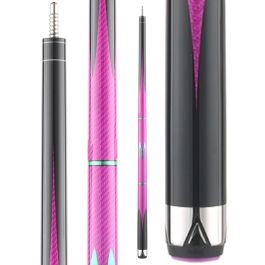
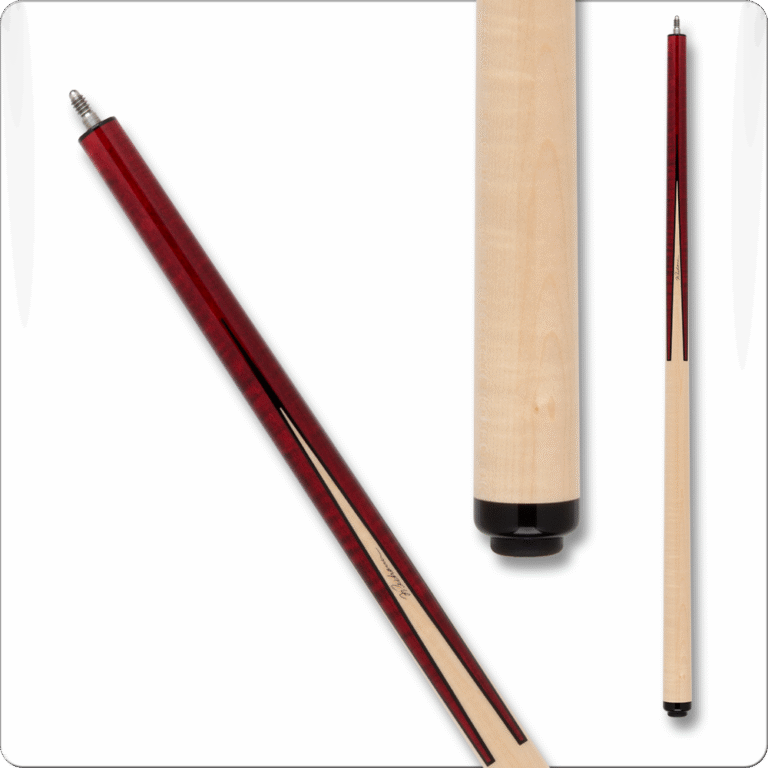
A twenty eight table venue in Ho Chi Minh City has spent this week doing what a single elimination draw always does eventually. It has taken some of the best players alive and sent them home early. The 2026 Iwan Simonis WPA Men’s World 10-Ball Championship, the headline event inside a three tournament festival worth a combined $490,000, has now narrowed to its final sixteen, and the road there claimed names that plenty of bettors and forum posters had circled before a rack was ever broken.
Carlo Biado did not reach the final thirty two. Neither did Duong, playing in front of a home crowd in Vietnam, nor Maciol, one of the names Europe had hoped would still be standing deep into the week. None of that is a scandal. It is what a $300,000 open field, seeded but not sheltered, does to reputation. The same festival already crowned its Mixed Doubles champions, with the pairing of Hsieh and Liu outlasting a partnership being called the event’s power couple to take that title before the singles bracket had even finished thinning itself out.
Why the Favorites Do Not Always Survive the First Weekend
Club players tend to watch a bracket the way they watch a bet slip. A big name loses early and the instinct is to call it an upset, as if something went wrong. In a race format sport played to nine or ten games, with a hot break and a cold stretch of safeties on the other side, very little separates the top fifty players in the world on a given afternoon. Ten ball in particular removes the built in escape hatch that nine ball sometimes offers. You cannot rattle the money ball into a pocket by accident and steal a rack you had no business winning, because the ten only counts when it is the legal, called shot. Every rack has to be earned in order, and that order punishes a single loose safety or a missed kick far more than a rotation game with a wide open combination on the last ball.
That is the real lesson sitting inside this week’s eliminations, and it has nothing to do with luck. A 28 table festival draw plays out over long days, jet lag included, on cloth and rails that are not the ones anyone practiced on at home. The players who reach the final sixteen are not always the most talented in the room. They are the ones who protected their percentages when the balls were not falling, who did not try to force a run when a safety was the correct play, and who trusted equipment and routine enough not to think about either one mid rack.
There is also a travel factor that rarely gets discussed outside of player forums. A festival like this one stacks three tournaments back to back in the same city, which means the players still alive in the singles draw have already logged long days at the table in the Mixed Doubles event, in practice sessions, and in qualifying rounds before the televised stages even begin. Fatigue does not announce itself as fatigue. It shows up as a slightly late reaction to a bank shot, a safety left half an inch too generous, or a break that goes from crisp to merely adequate on the fourth long day in a row. None of that requires a bad player. It only requires a tired one facing an opponent who happened to sleep better.
What This Means for Your Own Game
Most weekend players never have to survive a 28 table single elimination bracket, but the same math shows up at a local bar box tournament or an APA regional. The player who wins is rarely the one running the most balls. It is the one who loses the fewest racks to an unforced error, whether that is a rushed kick, a break cue that has gone dead, or a joint that has come loose in a case after a bumpy car ride. If a top ranked professional can be sent home in Ho Chi Minh City because one session went sideways, an amateur giving away free racks to a shaky bridge or a cue that does not feel the same from one weekend to the next is giving away far more than they realize.
The festival runs under the Predator Pro Billiard Series banner, and it is worth remembering that Predator built its name on the idea that consistency in a cue matters as much as talent behind it. That philosophy trickles all the way down to the accessories a weekend player keeps in a case. A joint protector that actually seats correctly, a cue ball that matches tournament specification instead of a mismatched bar ball, these are not glamorous purchases, but they remove variables that have nothing to do with skill and everything to do with preparation.
Featured Predator Cues and Accessories
Quarter King Billiards carries a lineup of cues and accessories under its Predator Cues collection, including sneaky pete style playing cues built with carbon fiber shafts and a dedicated Predator cue ball built to the same tolerances used in serious competition.
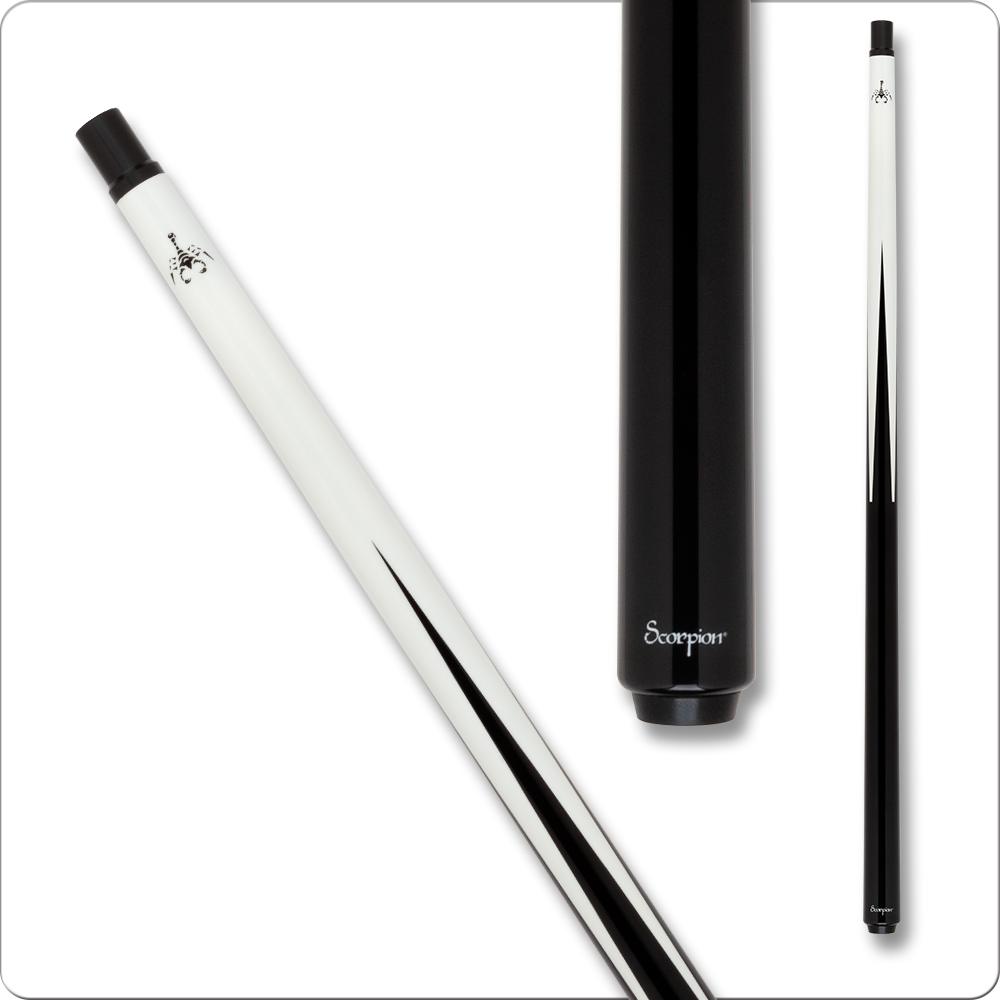
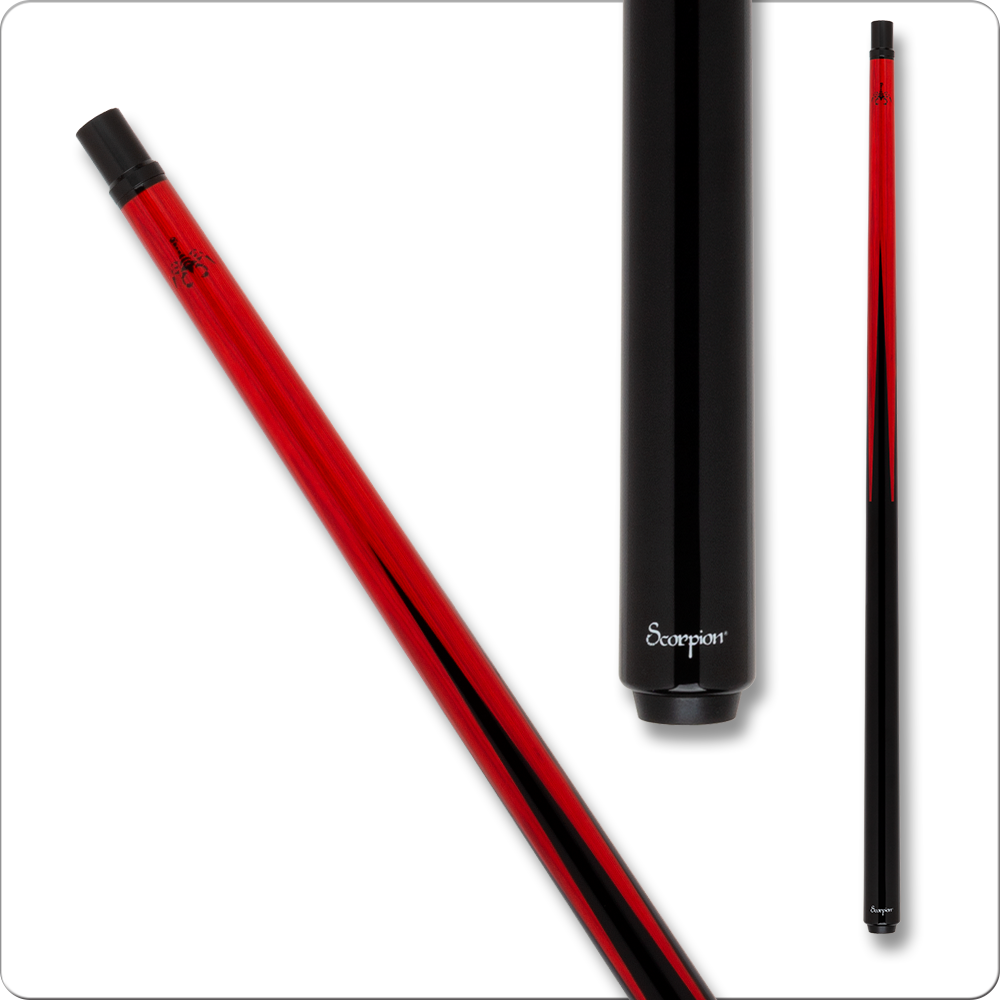
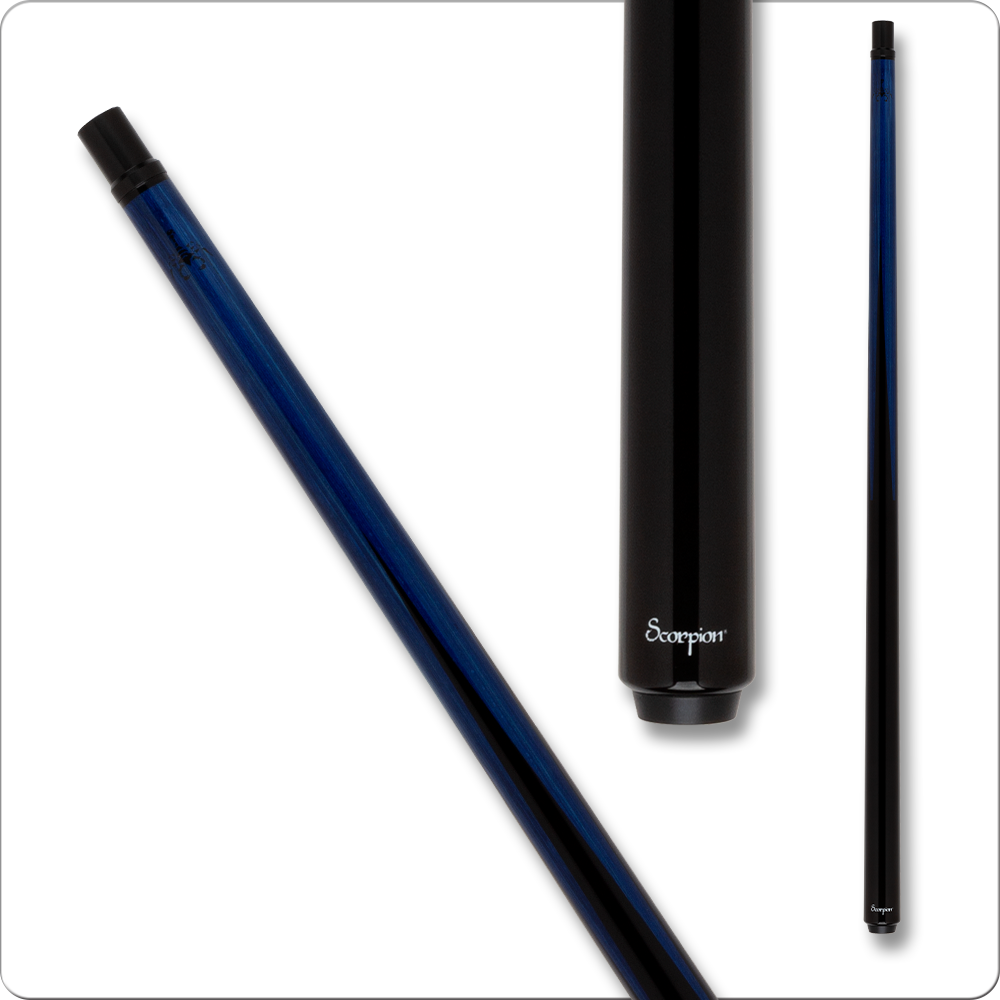
The Scorpion SCO122 sneaky pete is a good example of what a traveling grinder actually wants out of a case cue. It hides its performance under a plain wood look, wears a carbon fiber shaft for shot after shot consistency, and does not draw attention at a bar table the way a flashy inlay does. The same line comes in white and red, so the choice comes down to which one you would actually want to pull out of a case in front of strangers.
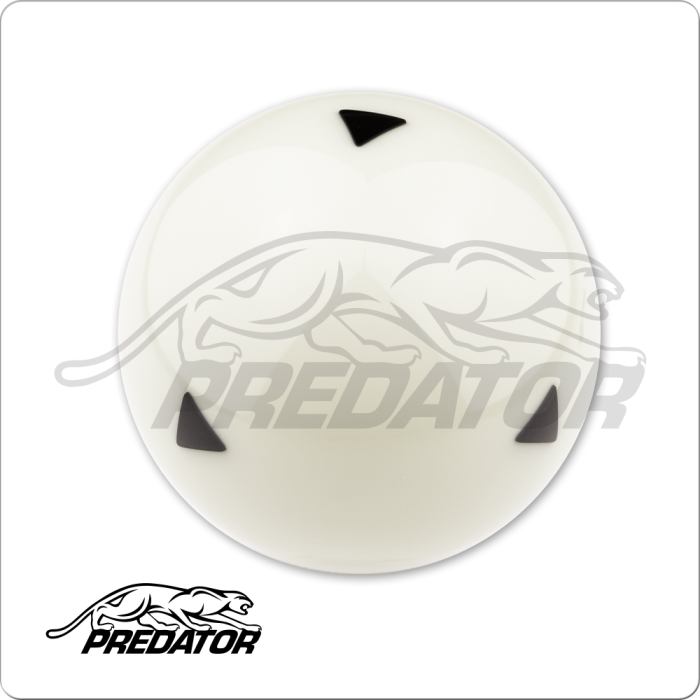
On the accessory side, the Predator Arcos cue ball is worth a mention any week a world championship is being decided on tables that use a regulation cue ball rather than whatever ball happens to be sitting in the rack at your local room. Practicing position play with a cue ball that matches tournament weight and diameter closes a small but real gap between how a shot feels at home and how it feels under lights.
The carbon fiber shaft on the Scorpion sneaky petes deserves its own mention here, since shaft material is one of the more debated topics among players trying to close the gap between practice and match performance. A carbon fiber shaft resists the warping that a solid wood shaft can develop over years of humidity swings and hard travel, which matters more for a player logging airport miles for regional events than it does for a cue that never leaves the house. It will not turn an amateur into a world championship contender on its own, but it does remove one more excuse for a shot going sideways because the equipment shifted rather than the stroke.
The Bracket Keeps Moving
The men’s field now plays down through the final sixteen toward a champion who will be decided before the festival closes, and the eliminations already logged this week, Biado, Duong and Maciol among them, are a reminder that ranking sheets do not survive contact with a long single elimination format. That is precisely why the sport is worth following past the seed list. The player who wins in Ho Chi Minh City will very likely be someone who lost a tight rack earlier in the week and did not let it change how they played the next one.
That mindset scales down to a Tuesday night league match as cleanly as it applies to a $300,000 world championship. Missing a kick does not mean your technique is broken. It means the next shot still has to be played on its own merits, with equipment you trust and a pre shot routine you do not have to think about. If you are shopping for a cue that will hold up to travel, a Quarter King Billiards page for pool cues is a reasonable place to start comparing options across brands and price points before your next tournament weekend.
Whatever happens over the remaining rounds in Vietnam, the pattern already on display is the one that matters most for a club player watching from home. Talent gets you into the bracket. What you do after a bad rack decides how far you go, and that is true whether the trophy on the line is a world championship or a bar tab at your local room.

About Corey Bernstein
Corey Bernstein is a competitive pool player, billiards equipment specialist, and co-owner of Quarter King Billiards in Wilmington, North Carolina. With over a decade of experience in the sport, Corey has competed in regional APA and BCA sanctioned tournaments and maintains an intimate knowledge of cue construction, shaft technology, and table mechanics. As a certified dealer for brands including Predator, McDermott, Jacoby, Viking, Lucasi, Meucci, Joss, and Cuetec, Corey personally tests and evaluates every cue that comes through the shop. His hands-on approach to the business means he has racked thousands of hours behind the table — breaking in shafts, comparing tip compounds, and dialing in the nuances that separate a good cue from a great one. When he is not behind the counter or on the table, Corey is researching the latest advances in low-deflection technology, carbon fiber shaft construction, and cue ball physics. His articles on Quarter King Billiards combine real-world playing experience with deep product knowledge to help players at every level find the right equipment for their game.