 844 408 3056

 Hot Deal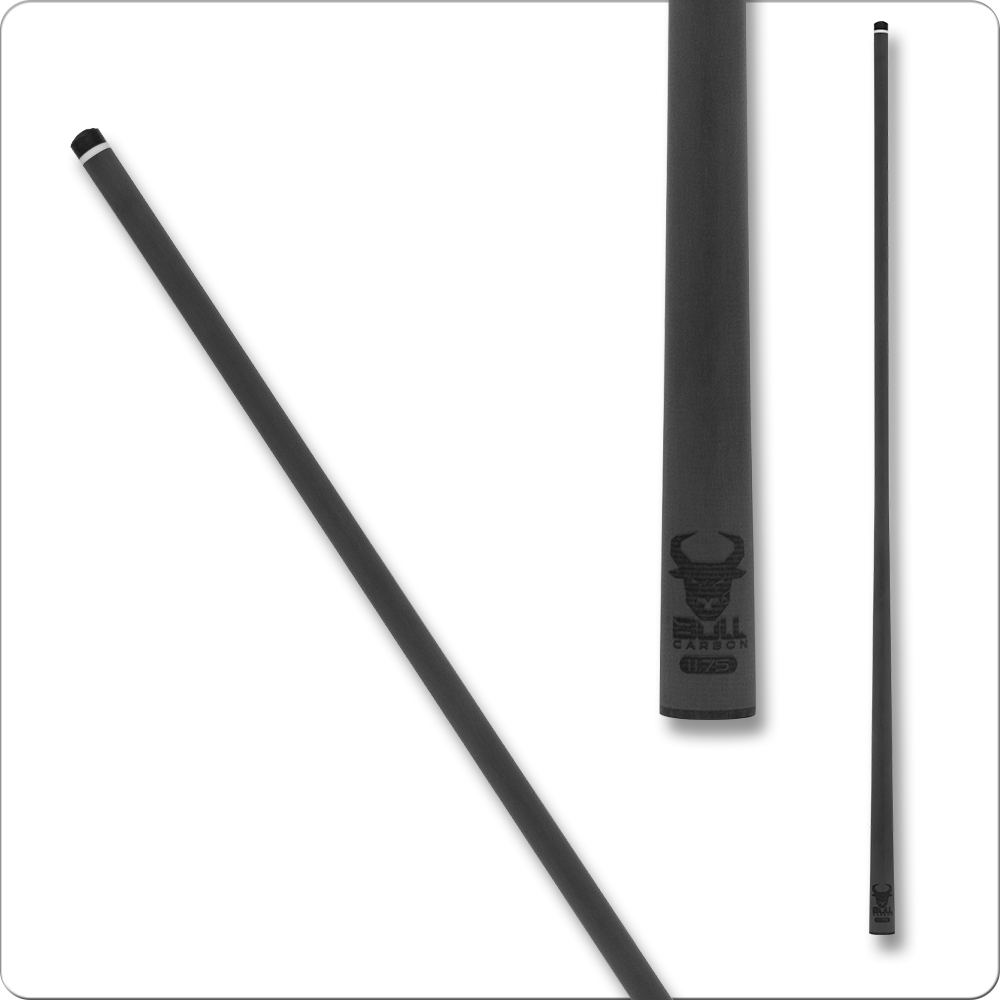
Almost every missed shot in pool comes down to one of two failures: you aimed at the wrong spot, or you aimed at the right spot and your stroke wandered. Aiming systems exist to solve the first problem, and choosing one that fits your eyes can quietly add games to your win column. The catch is that there are several competing methods, each with loud advocates, and switching between them every week is a fast way to play worse, not better.
This guide breaks down the three families of aiming most players actually use, who each one suits, and how to commit to one long enough to trust it. The goal is not to crown a winner. It is to help you pick a method and then get out of your own way.
Ghost Ball: The Foundation Everyone Starts With
Ghost ball is the most intuitive system and the one most instructors teach first. You picture an imaginary cue ball touching the object ball exactly opposite the pocket. That ghost position is where your real cue ball needs to arrive at contact, so you aim the center of your cue ball at the center of that ghost. Make the object ball go where the ghost ball would have sent it, and the shot drops.
The strength of ghost ball is that it builds a true mental picture of the contact point, which transfers to every other skill in the game, including banks and caroms. The weakness is that an imaginary ball floating in space is hard to pinpoint precisely, especially on thin cuts where a small error in placing the ghost becomes a big miss at the pocket.
Most players never fully outgrow ghost ball. They simply layer a more precise method on top of it for the hard angles. If you are early in your development, ghost ball plus thousands of repetitions is still the most reliable path to a dependable eye.
Fractional Aiming: Turning Cuts Into Reference Points
Fractional aiming replaces the floating ghost with concrete overlaps you can actually see. Instead of guessing a point in space, you align your cue ball to cover a specific fraction of the object ball: a full hit, three-quarter, half, quarter, and the thin edge. Each fraction corresponds to a known cut angle. A half-ball hit, where the center of the cue ball aims at the edge of the object ball, sends the object ball at roughly a thirty degree angle and is the most stable reference in the game.
The appeal here is repeatability. Edges and centers are real features you can lock your eyes onto, so your aim becomes a matter of matching the shot to the nearest fraction and adjusting slightly. Players who struggle with the vagueness of ghost ball often find that fractional aiming gives their pre-shot routine something solid to grab.
The limitation is that real shots rarely land on a perfect fraction. You end up interpolating between, say, a half and three-quarter ball, and that judgment still takes practice. Fractional aiming narrows the guesswork, it does not erase it. Used well, it is a powerful way to stabilize your cut shots and reduce the wild misses that come from a wandering contact point.
Pivot and Edge-to-Center Systems: Precision for the Committed
The third family includes pivot-based systems, often grouped under names like CTE. These methods use fixed visual alignments, edge of the cue ball to center or edge of the object ball, followed by a defined pivot of the cue to arrive at the final aim line. Done correctly, they produce remarkably consistent results because they remove some of the subjective judgment from the process.
The honest tradeoff is the learning curve. Pivot systems require strict discipline in how you set your stance, your bridge, and your pivot, and a sloppy setup produces sloppy results that get blamed on the system. They reward players who are willing to drill the mechanics until they are automatic. For a serious competitor who wants every edge, the investment can pay off. For a casual league player, it may be more structure than the situation calls for.
The System Only Works If Your Equipment Cooperates
Here is the part aiming debates often skip. The most precise aim in the world is useless if your cue sends the ball somewhere other than where you aimed. That is exactly what deflection, also called squirt, does. When you hit even slightly off center, a high-deflection shaft pushes the cue ball off your intended line, and your perfect ghost ball or half-ball reference quietly lies to you.
This is why low-deflection and carbon fiber shafts have become standard among players who take aiming seriously. A carbon shaft reduces squirt and keeps your cue ball closer to the line your eyes chose, which means the feedback you get from practice is honest. You learn faster because a miss is a real aiming or stroke error, not equipment noise. Browse the options in our carbon fiber shafts category to see how many ways there are to upgrade an existing cue.
The Bull Carbon BCF Fiber Shaft in a 11.75mm tip diameter is a popular, value-focused way to add low-deflection performance without buying a whole new cue. For players who want a slightly different feel, the Tiger Fortis Pro Carbon Fiber Shaft at 12mm offers a refined hit from a brand long trusted for tips and accessories. And the Whyte Carbon WCFP Shaft in Raw Carbon brings a clean, low-deflection profile for players who like a thinner tip and a bare carbon look.
If you would rather start fresh with a complete cue that already plays straight, the McDermott G521R G Series Cue is a proven workhorse that pairs traditional craftsmanship with modern playability. You can compare it with the rest of the lineup in our pool cues collection.
How to Actually Commit to a Method
The biggest mistake players make is system hopping. They try ghost ball for a week, fractional aiming the next, watch a pivot video, and end up trusting none of them. Confidence in aiming is built through repetition, and repetition only compounds when you stop changing the variable.
Pick One and Drill It
Choose the method that matches how your brain sees the table. If you think in pictures, ghost ball or fractional aiming will feel natural. If you crave structure, a pivot system may click. Then give it at least a month of focused practice before you judge it. Set up the same cut shot from the same spot and shoot it until the make rate climbs. That is how an aiming method moves from your conscious mind into your instinct.
Separate Aim From Stroke
When you miss, diagnose honestly. Did you aim at the wrong spot, or did your tip arrive somewhere other than where you intended? A straight, low-deflection shaft makes this diagnosis far easier, because it removes squirt as a hidden suspect. Practice your stroke straightness on the long rail, then let your aiming system handle the angles.
Account for Throw
No aiming system survives contact with the table if you ignore throw. When the cue ball strikes the object ball, friction and any sidespin you applied will push the object ball slightly off the pure geometric line, especially on slow, cut shots. This is why two players using the identical ghost ball picture can get different results. Learn how your normal speed and a touch of inside or outside English nudge the object ball, then fold that small correction into whatever method you have chosen. The system gets you to the right neighborhood, and your feel for throw parks the ball in the pocket.
Build a Pre-Shot Routine
Whatever system you pick, anchor it inside the same pre-shot routine every single time. See the line standing up, set your bridge, take your warm-up strokes, and pull the trigger without second-guessing. A consistent routine is the delivery system that turns good aim into made balls under pressure.
Aiming is not magic, and no single system is right for everyone. Pick the one that fits your eyes, give your stroke a shaft that tells the truth, and put in the reps. Do that, and the long shots that used to rattle out will start to disappear into the pocket.

About Corey Bernstein
Corey Bernstein is a competitive pool player, billiards equipment specialist, and co-owner of Quarter King Billiards in Wilmington, North Carolina. With over a decade of experience in the sport, Corey has competed in regional APA and BCA sanctioned tournaments and maintains an intimate knowledge of cue construction, shaft technology, and table mechanics. As a certified dealer for brands including Predator, McDermott, Jacoby, Viking, Lucasi, Meucci, Joss, and Cuetec, Corey personally tests and evaluates every cue that comes through the shop. His hands-on approach to the business means he has racked thousands of hours behind the table — breaking in shafts, comparing tip compounds, and dialing in the nuances that separate a good cue from a great one. When he is not behind the counter or on the table, Corey is researching the latest advances in low-deflection technology, carbon fiber shaft construction, and cue ball physics. His articles on Quarter King Billiards combine real-world playing experience with deep product knowledge to help players at every level find the right equipment for their game.